
 By
By This post is also available in: Español (Spanish) Kreyòl (Haitian Creole)
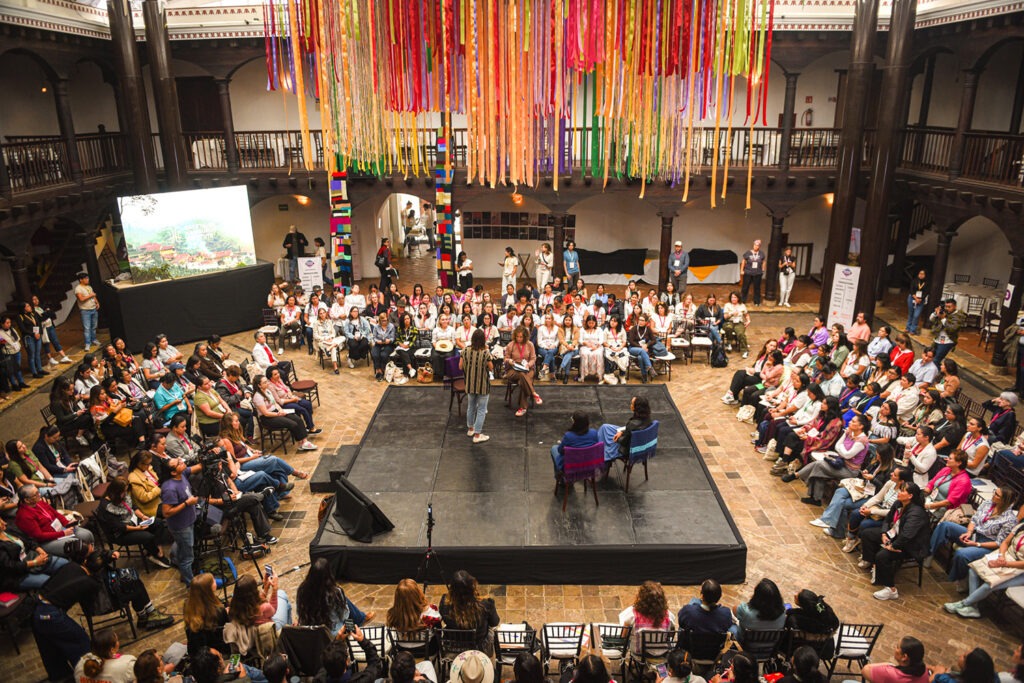
The mountain city of San Cristóbal de las Casas in Chiapas, Mexico, buzzed with the chatter of hundreds of visitors and the smell of freshly roasted coffee. The 2025 Women Powered Coffee Summit, hosted by W.K. Kellogg Foundation (WKKF) grantee Bean Voyage, gathered more than 300 women producers, roasters, baristas and buyers from across the Americas, Asia and western Africa to celebrate the women transforming the global coffee industry.
For three days, the summit was a place for sharing and celebration. Women told stories from every part of the coffee journey, from those growing beans in misty highlands to those serving cups in busy cafés. The summit was created to center their voices, honor their experiences and highlight them as industry experts driving meaningful change — an approach rarely seen in the global coffee sector.
“We are here to celebrate all of you and the great gifts that you bring to the world through your coffee, your dedication and your hard work,” said SungHee Tark, co-founder and CEO at Bean Voyage, in her welcome to the attendees.
From bean to cup: Women defining the future
Speakers at the summit shared how women have worked hard in coffee for generations but have not been recognized for their leadership. They called for a fairer industry that helps women get the training and support they need to care for themselves, their families and their communities.
Over a dozen workshops explored topics like farming practices that protect nature, running cooperatives, marketing coffee internationally and improving bean quality. The message across all sessions was clear: coffee is a part of culture, and an expression of the love and care people have for their land and community.
Reclaiming origin
Other powerful themes throughout the summit were the questions: Where does coffee come from and who benefits from it? For centuries, coffee has been shaped by systems of colonialism and exploitation. The people who grew the coffee received very little of the profit and none of the recognition. But in Chiapas and beyond, women growers are reclaiming its meaning. They link “origin” not to profit, but to ancestral territory, tradition and identity.
“Let us change the story so that we treat people, soil, plants and the entire ecosystem not as resources but as the source of life,” said Greta Spota Diericx, founder of Nabesta, an organization that collaborates with coffee growers
Growing stability, sustaining the land
In the highlands around San Cristóbal, Indigenous communities have long grown coffee in balance with nature. Organic, shade-grown coffee is much more than a cash crop — it helps families gain economic stability while caring for the land around them. This is especially true for women farmers leading community cooperatives.
Many of these women are also restoring damaged land, replanting forests and passing down sustainable farming methods to their children.
Learning to taste their own coffee
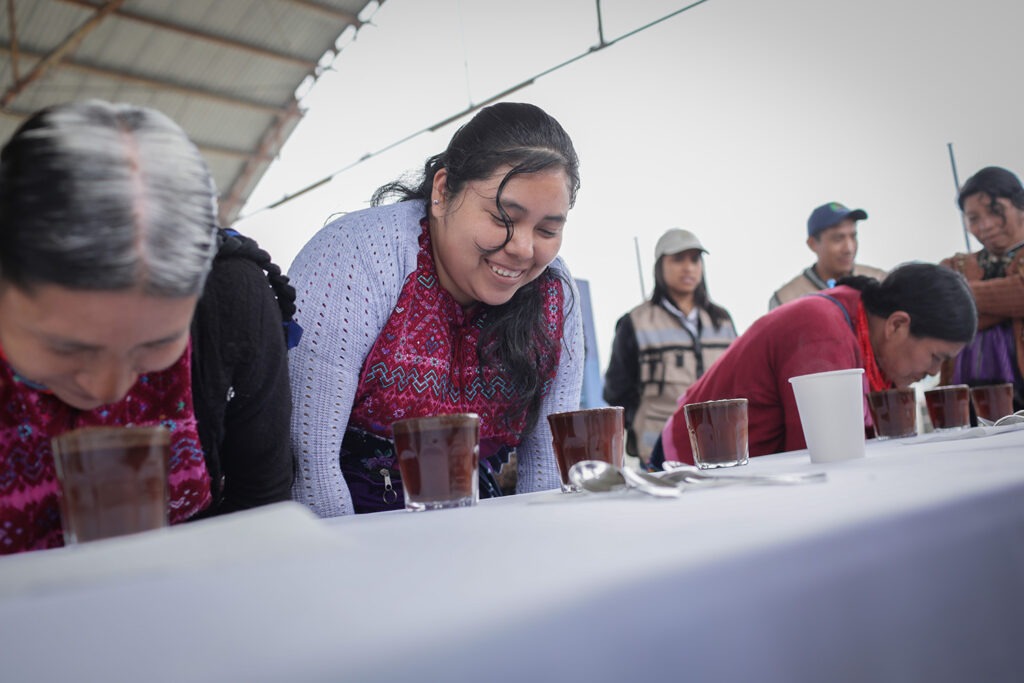
Before the summit began, Proasus, another WKKF grantee, hosted a special coffee tasting — or “cupping” — for women growers from Aldama, a mountain province about two hours away. For many, it was the first time they had tasted their own coffee. They learned to recognize floral, nutty and fruity notes that roasters and consumers look for, and to take pride in the skill needed to develop those flavors.
“Will you recognize your own coffee, do you think?” asked Octavio Ruiz Cervera, founder of Tostadora de Cafés Extraordinarios and a close partner of Proasus. Many women shook their heads as soft laughter filled the air. “We taste without sugar or additives, so the flavors are pure. We love your coffee and think you will, too.”
This experience showed how learning about quality helps farmers gain confidence and negotiate better prices in the market.
Cups filled with possibility
As the summit came to a close, the smell of Chiapas coffee filled the hall one last time. The women shared laughter and plans for more collaboration and more recognition for women-led work.
For them, coffee is not just a product. It represents a bridge of connection between people and planet, past and future, growers and drinkers. In Chiapas, that bridge is being built by women who pour their stories of justice and hope into every cup.
The summit ended with an invitation from Flor Eva Pérez Cuevas, a grower who is part of Proyecto Mixteca Sustentable, for everyone to lift their voices in joy. Cheers and whoops echoed through the hall and out into the city.
Cuevas smiled and said, “We don’t often get to share our voices. This is what was missing.”
Resources:
- Bean Voyage Women Powered Coffee Summit report in English and in Spanish
- Women Powered Coffee Summit
Header image photo credit: @ivacaminando

Comments