 By
By 
Racial healing is learning to better understand ourselves and the experiences of the people around us. It asks us to share the truth about our history, listen deeply to one another and acknowledge how past injustices still shape our communities today.
National Day of Racial Healing on Tuesday, Jan. 20, 2026, offers families and neighbors an opportunity to reflect on what healing looks like in their own lives.
Below are 10 practical ways racial healing can take shape — in homes, schools and communities — and open pathways that nurture every child’s potential.
1. Start conversations at home
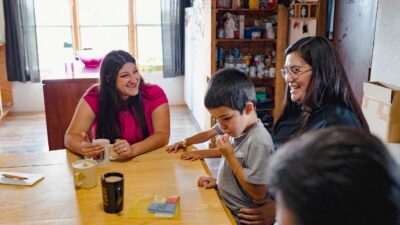
The healing experience begins with honest dialogue. Parents and caregivers can talk openly about differences, fairness and belonging in ways that match a child’s age and understanding. Sharing family history, naming the challenges ancestors faced or simply asking, “What do you notice?” helps children see open conversation as a natural part of life.
2. Move through art and culture
Art is a powerful way to process emotions and honor authentically human experiences. At an event during the 2025 National Day of Racial Healing in Cambridge, Mass., children at Jean Appolon Expressions shared Haitian folkloric dance as an expression of joy and resilience. When children learn music, dance or movement that’s tied to their cultural heritage, they are able to see themselves as part of a bigger story.
3. Read stories that build empathy
Books create windows into worlds that help children see differences as strengths. Reading together opens the door to family conversations about respect and empathy that children carry into everyday life. For ideas, explore “Six books every parent should read to their child to foster racial healing at home.”
4. Support healing in community
Healing can begin wherever children learn and grow. Parents, caregivers and educators can encourage practices that support emotional well-being, such as reflective time, mindfulness or peer support, within schools or other community spaces.
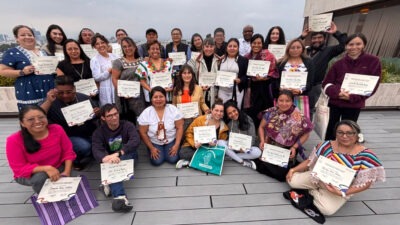
The Teaching Well, a California-based nonprofit, supports educators through reflection circles that reduce stress and strengthen relationships. When teachers feel supported, classrooms become safer and more connected places where trustful relationships can emerge organically.
5. Practice early bonding
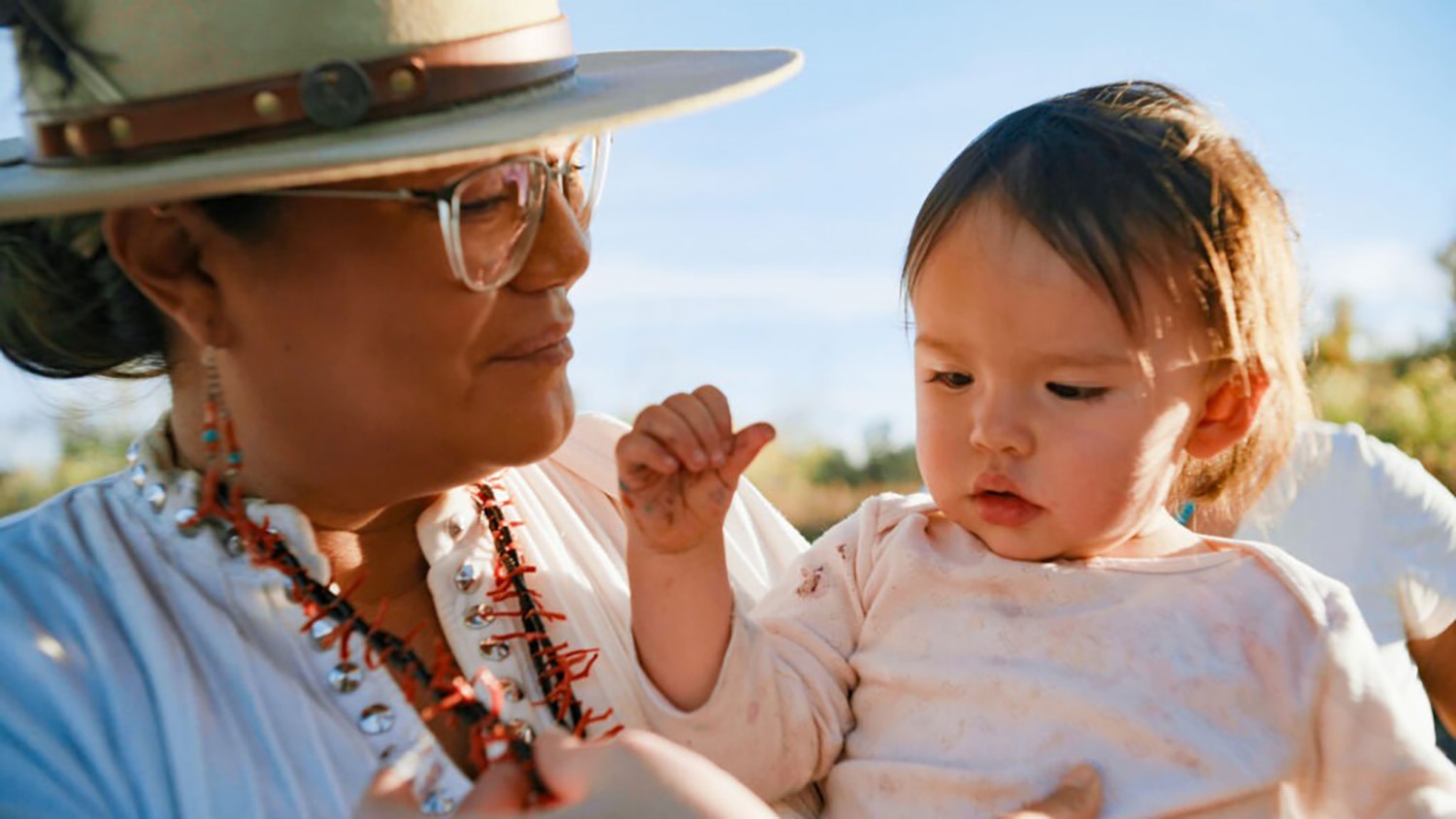
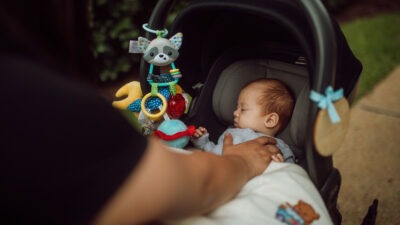
Culturally matched care during pregnancy and birth gives families dignity from the very beginning. The Navajo Birthworker Collective and Tewa Women United in New Mexico, along with movements in Alaska and Mexico, reclaim traditions that help mothers and infants thrive. These practices affirm for parents that their culture holds wisdom worth passing down and set a strong foundation for how they raise their children.
6. Connect through food and land
Working with the land connects families to one another and to systems that support good health. In Michigan and across the country, Fair Food Network and similar organizations expand access to healthy food while supporting local farmers and businesses. When families visit farmers markets, plant gardens or cook together, children learn how food connects care, culture and community.
7. Make space for youth voices
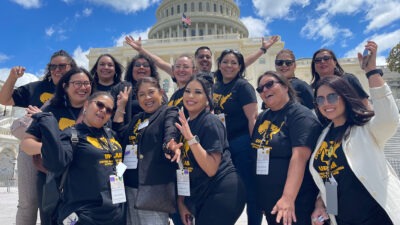
Young people thrive when their voices are heard. Programs featured in the “Voices of I Am New Orleans” series highlight youth leaders tackling local issues, from climate resilience to education.
8. Engage with media as a reflection tool
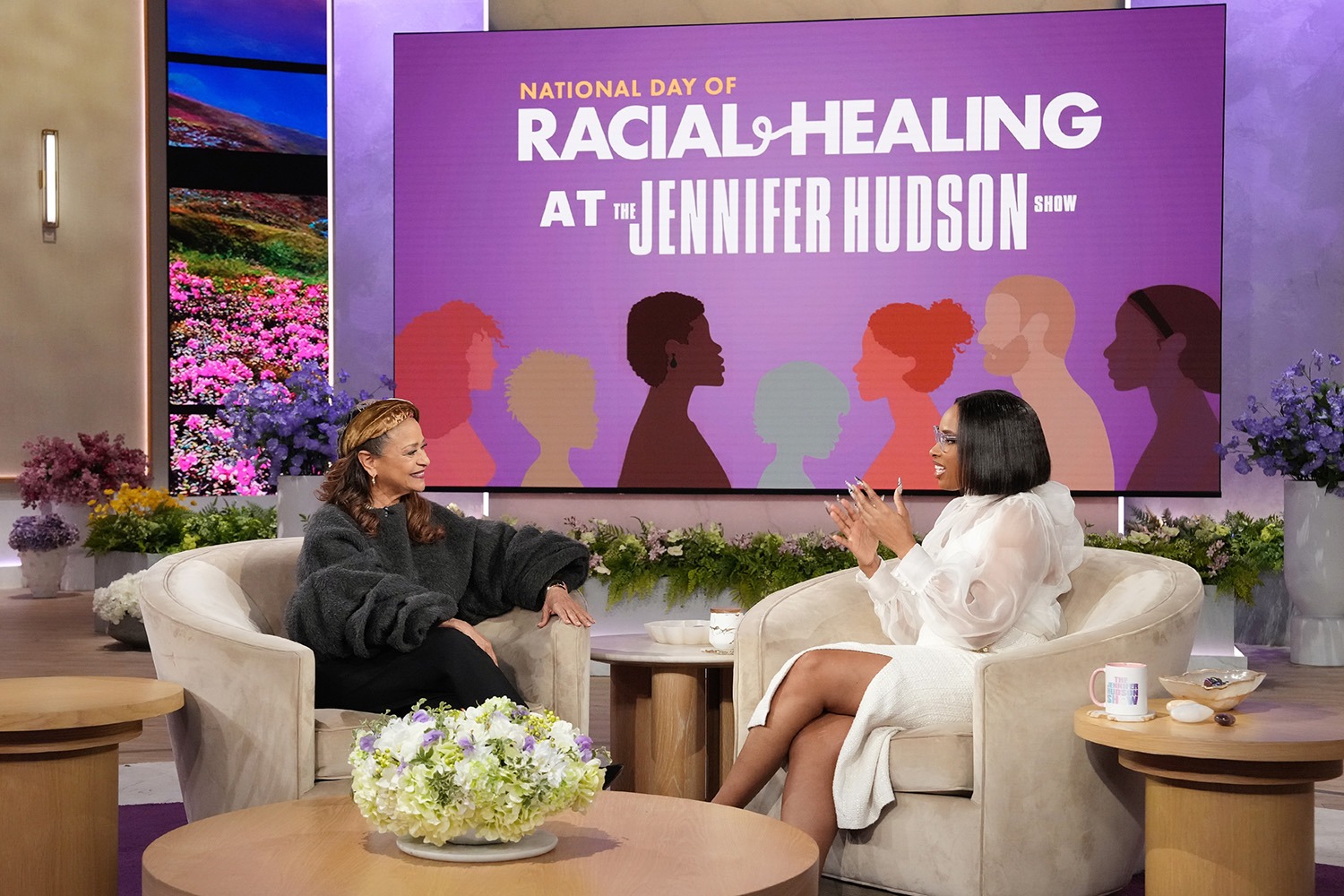
Television and online platforms can spark family conversations about equity and belonging. The Jennifer Hudson Show’s racial healing episode during the 2025 National Day of Racial Healing offered audiences a shared starting point to talk about respect, empathy and fairness. Media becomes more than entertainment when families pause to discuss its lessons.
9. Build small rituals of connection
Simple routines like gratitude circles, affirmations or regular check-ins help families stay connected and supported. These everyday practices reinforce the heart of racial healing.
10. Create your own National Day of Racial Healing event
The National Day of Racial Healing, held each year on the Tuesday after Martin Luther King Jr. Day offers a moment for families to participate in community events like art exhibits, cultural performances or dialogue circles. You can join by creating your own event, such as a story circle, art project or classroom activity, that invites children and families to participate.
Visit dayofracialhealing.org to find inspiration, register your event and access free resources. Together, we can create spaces where every child feels safe, valued and part of a shared story of healing.
Comments