 By
By Listen on all audio platforms


episode summary
What does environmental justice look like when it’s rooted in culture, community and commitment to future generations? Let’s find out.
In this powerful episode of “Pass the Sopapillas,” presented by the W.K. Kellogg Foundation, three New Mexico environmental advocates share how they are protecting the land while building healthier futures for children and families. From strengthening air quality protections in Bernalillo County to fighting for clean drinking water in southern New Mexico communities, this conversation highlights what’s working across the state to bring about the environmental justice that is our birthright.
Listeners will hear how environmental justice addresses environmental racism and health inequities — helping to bring about a New Mexico where our communities are no longer exposed to pollution based on their income level or residential zip code.
This episode also explores Indigenous seed sovereignty efforts at Acoma Pueblo, where ancestral seeds are being preserved, regenerated and passed down to the next generation of farmers.
Through food systems work, youth mentorship and community-based advocacy, these thought leaders demonstrate how land stewardship, public health and cultural preservation are deeply connected to our future here in New Mexico.
This is a conversation about clean air, clean water and community resilience. It’s about shifting the narrative in New Mexico from what’s broken to what’s possible — and recognizing that thriving children and families depend on a safe and sustainable environment.
Why our land is sacred in New Mexico: Land holds memory. Land holds story. Land holds possibility.
Digging Deeper: Reflection Questions
In true New Mexico fashion, we invite you to a sobremesa — a traditional space for conversation and sharing, gathered around a table of your choice.
If possible, place something from the land at the center of the table — a stone, a plant, a bowl of food, something grown or gathered. Let it move from hand to hand as each person speaks. Listen fully. Speak honestly. There is no rush.
Ask around the table:
- What is a place that shaped who you are?
- What did it look like, smell like and sound like?
- Who were you there?
- Does that place still live in you? How?
Ask around the table:
- If the land where you live could speak, what would it say?
- What has it seen?
- What would it thank us for?
- What would it ask us to do differently?
Ask around the table:
- What kind of relationship do we want to have with the land moving forward?
- What is one small promise you can make to care for it?
Episode Guests
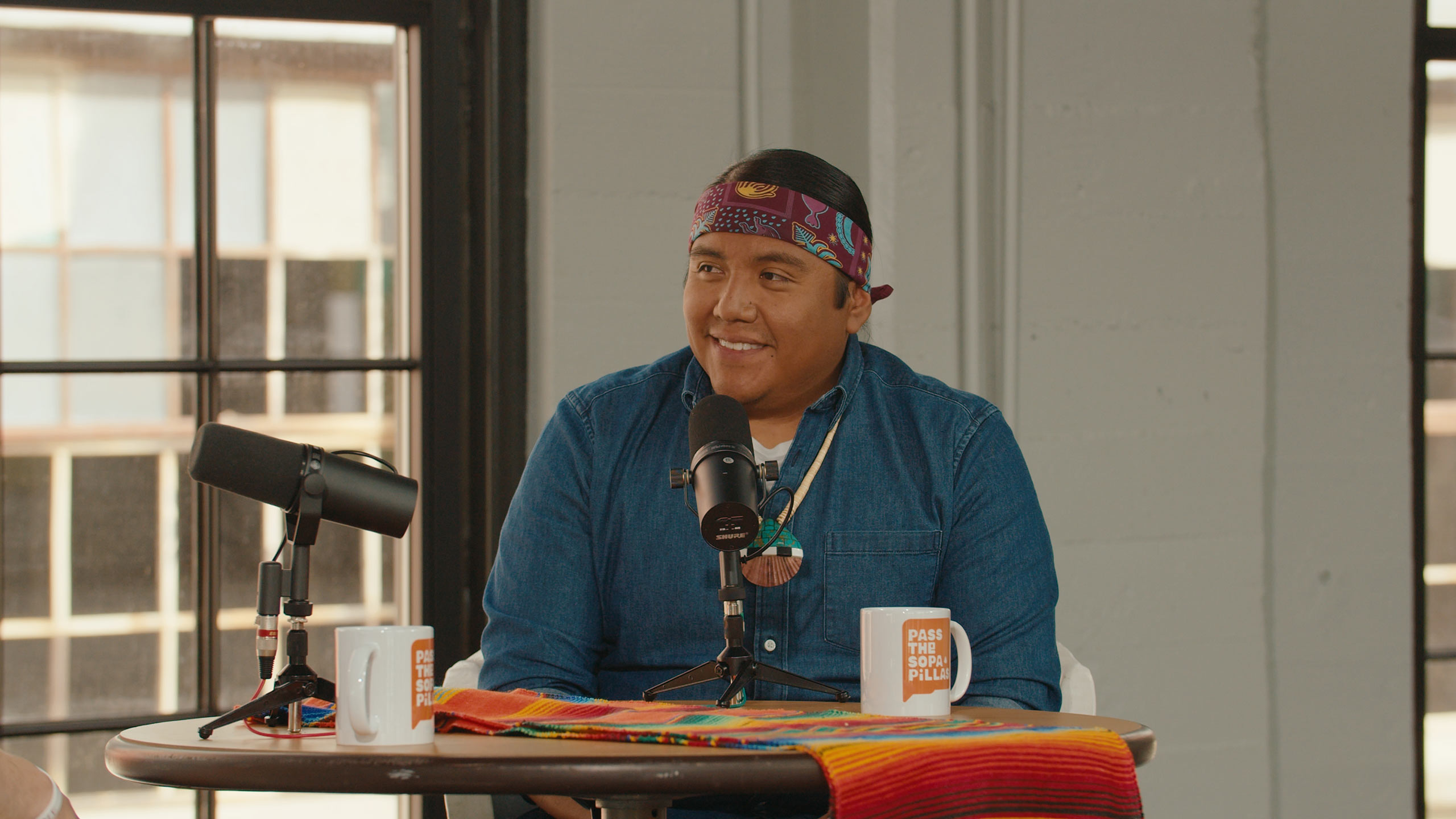
Aaron Lowden (Kuuwai)
Ancestral Lands Food Systems Program Manager
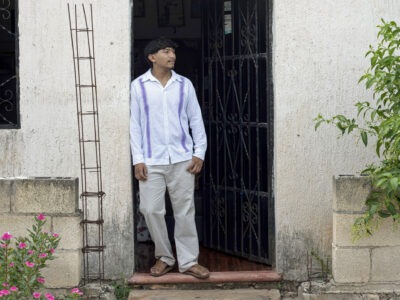
Aaron Lowden is a member of the Pueblo of Acoma and currently serves as the Ancestral Lands food systems program manager with the Ancestral Lands Conservation Corps. His career spans more than a decade of land-based service, beginning with the National Park Service and continuing through leadership roles focused on traditional agricultural practices, youth mentorship and food sovereignty. He is the founder of the Acoma Farm Corps and creator of the Acoma Ancestral Lands Seed Bank, and has organized food sovereignty gatherings for the Acoma community and Tribal partners. Most recently, he served as the Indigenous Seed Keepers Network program coordinator with the Native American Food Sovereignty Alliance, supporting the growing seed sovereignty movement across Turtle Island.
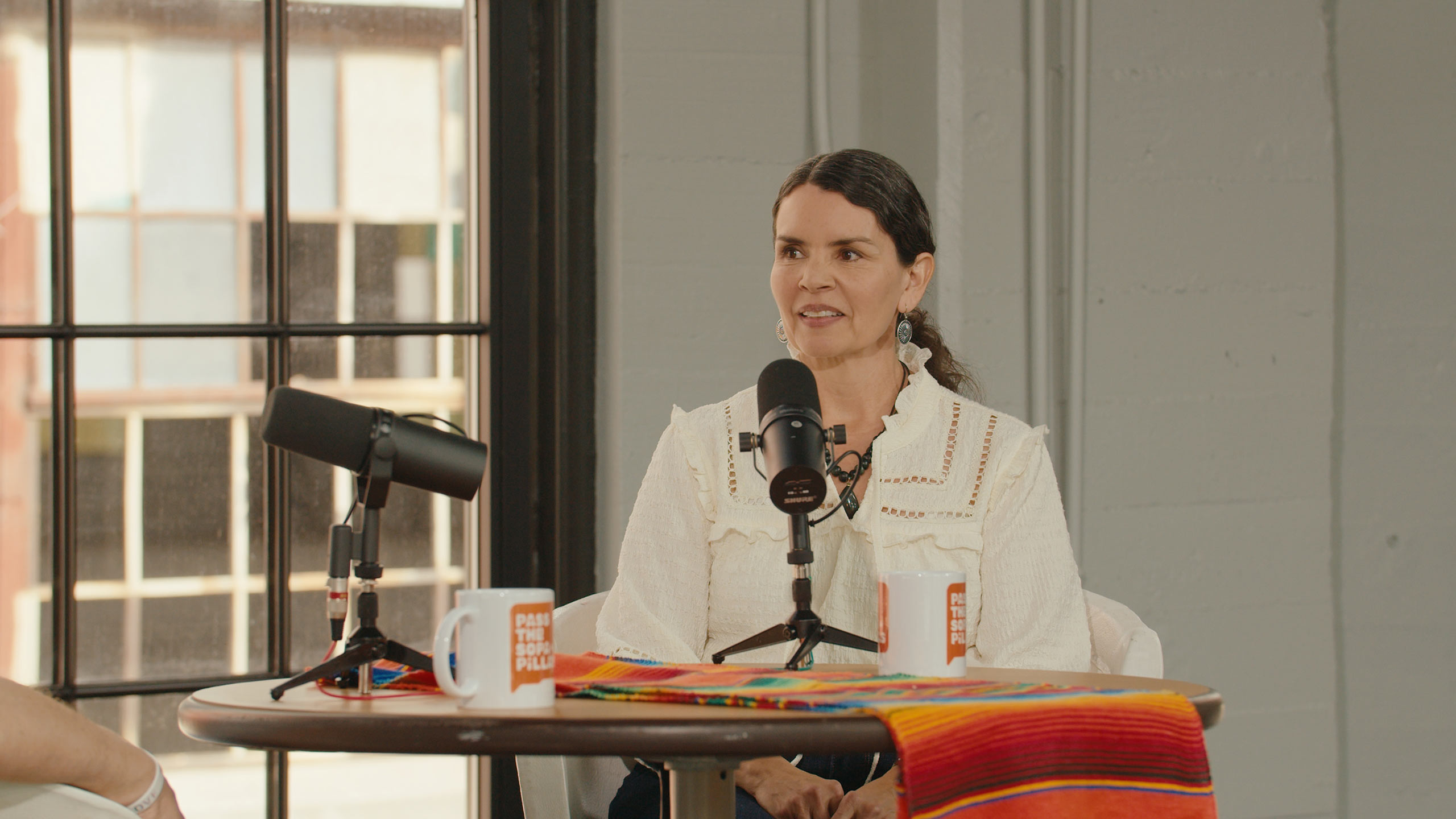
Dr. Virginia Necochea
New Mexico Environmental Law Center Executive Director
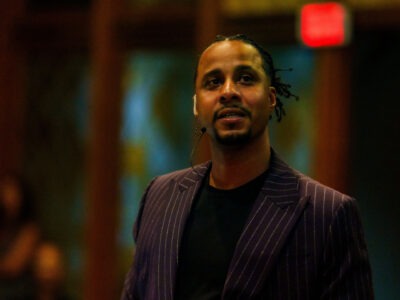
Dr. Virginia Necochea is a Xicana organizer, mother and community advocate serving as executive director of the New Mexico Environmental Law Center. She is the first woman of color to hold this role at the public interest nonprofit, which works alongside frontline communities in defense of environmental justice. Her work is grounded in ceremony, her Mexican and Indigenous roots and a lifelong commitment to being of service to community and a protector of the Earth. She is a recipient of the Rachel’s Network Catalyst Award, which honors women of color building a healthier, safer and more just world.
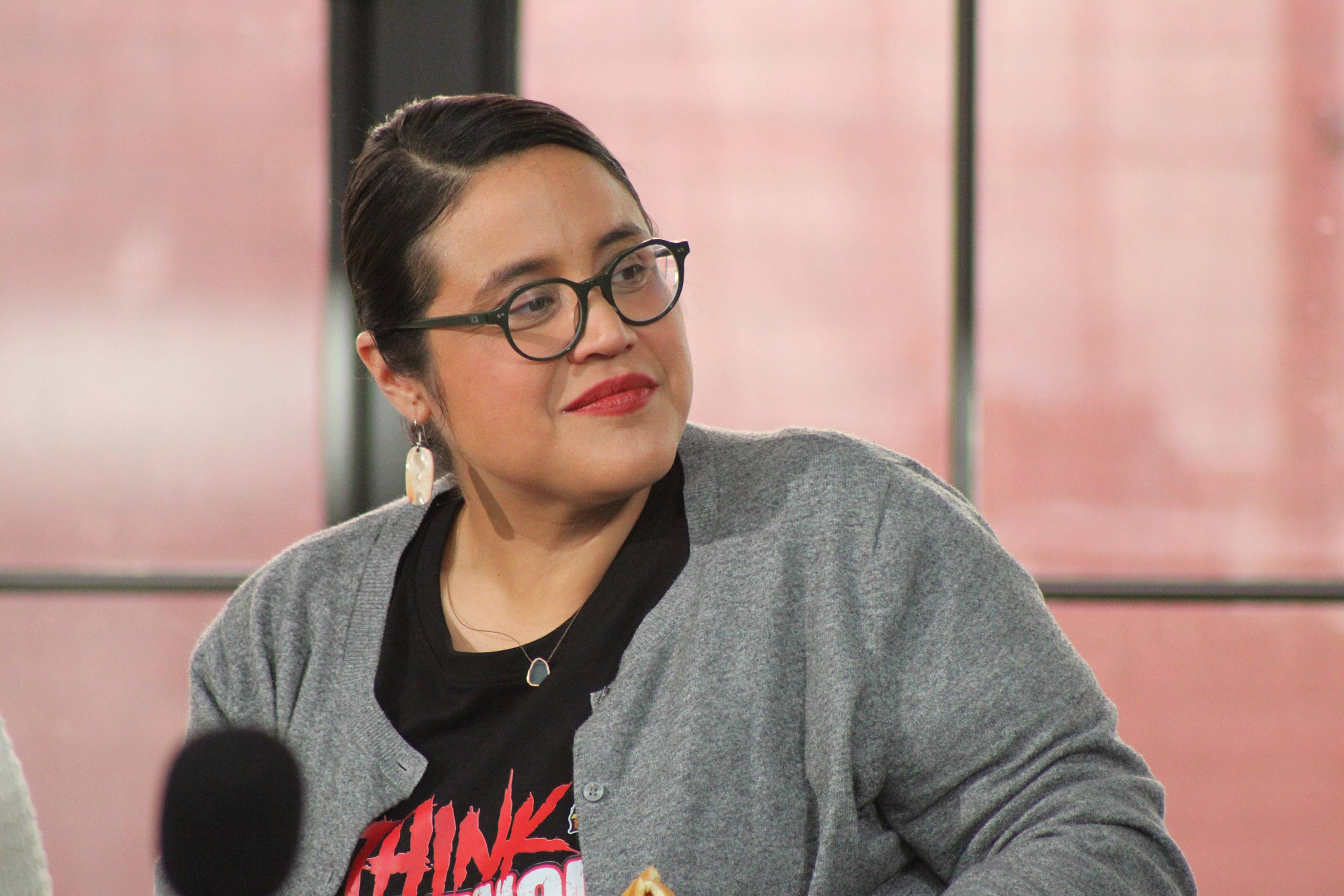
Elizabeth (Eli) Cuna
The Semilla Project Executive Director
Eli Cuna is an immigrant from Torreon, Coahuila, Mexico, and a nationally recognized organizer working at the intersection of immigrant rights, climate justice and economic justice. As executive director of the Semilla Project, she brings more than a decade of experience building national organizing infrastructure and mobilizing immigrant youth, workers and families around policies such as DACA and broader immigrant protections. Her leadership is grounded in the belief that communities most impacted by injustice must be the architects of their own solutions. Through movement-building, leadership development and systems change strategies, she works to advance community power, immigrant dignity and a deeper relationship between people, land and collective well-being.
Bonus Episode: Our Land - Q&A
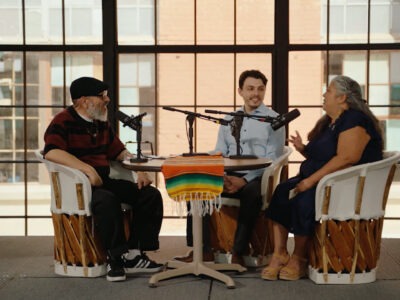
In this bonus episode of “Pass the Sopapillas,” host Manuel González welcomes Aaron Lowden, Virginia Necochea and Eli Cuna for an intimate audience-driven conversation inspired by the response to the podcast’s “Our Land” episode. The discussion explores how New Mexico communities are reconnecting with land, culture and one another while confronting environmental injustice, climate change and generational healing.
Lowden reflects on the visible effects of climate change on family orchards and the importance of community dialogue in protecting land-based traditions.
Necochea emphasizes the power of collective action, public participation and environmental advocacy, encouraging listeners to show up for community organizations and public hearings that affect local families and ecosystems.
Cuna focuses on healing, self-worth and youth empowerment, sharing how small acts of affirmation and belonging can transform young people’s lives.
The conversation also examines how systems rooted in exploitation and scarcity affect communities and why rebuilding connection, mentorship and collective care is essential for the future.
Episode Partners




Comments