This post is also available in: Español (Spanish) Kreyòl (Haitian Creole)

Racial equity and the need for systems transformation

Cathann Kress – Board Chair

Racial equity and the need for systems transformation

Cathann Kress, Board Chair

What is systems change? Why is racial equity essential to systems change and transforming communities?

Racial equity means people of all races and ethnicities live in a society where a person’s racial identity does not determine how they are treated or predict life outcomes. It is a core value and long-standing priority for the Kellogg Foundation because, for children to thrive, their families must be able to provide for them, and their communities must be places of genuine opportunity.

Our work on systems change is based on the understanding that major systems, institutions and structures that impact our lives – including education, housing, health care, transportation, justice and the economy – were all created by people. Systems develop over time and are often layered with practices. These practices can make sense and lead to opportunities, or sometimes they can be counterproductive to equity, either intentionally to keep others from fully accessing opportunities or unintentionally from lack of understanding or awareness of bias. The results are deeply ingrained inequities in policies, practices, resources, power dynamics and mindsets, but the impacts are clear — these inequities form the basis for many of our country’s most intractable problems and result in devastating outcomes for children, families and communities.

Systems change is a vital component in realizing racial equity because it aims not just to address symptoms of inequity but to fundamentally transform how we structure our communities, relate to one another, and even think about the challenges that are holding all our children back from reaching their full potential.

Relationships that foster connections across communities, life experiences and disciplines are especially critical to changing these systems because they help leaders share new ideas, learn from each other and break through longstanding barriers to progress. In November 2022, the foundation launched the Global Fellows Network, an initiative to foster connection, collaboration and action among 1,100 leaders from more than 40 countries who are associated with signature past and present WKKF fellowship programs.

These leaders work every single day to achieve the kinds of systems change we seek for the children and families we serve. We believe their combined strengths and connections will allow them to be more effective leaders locally.

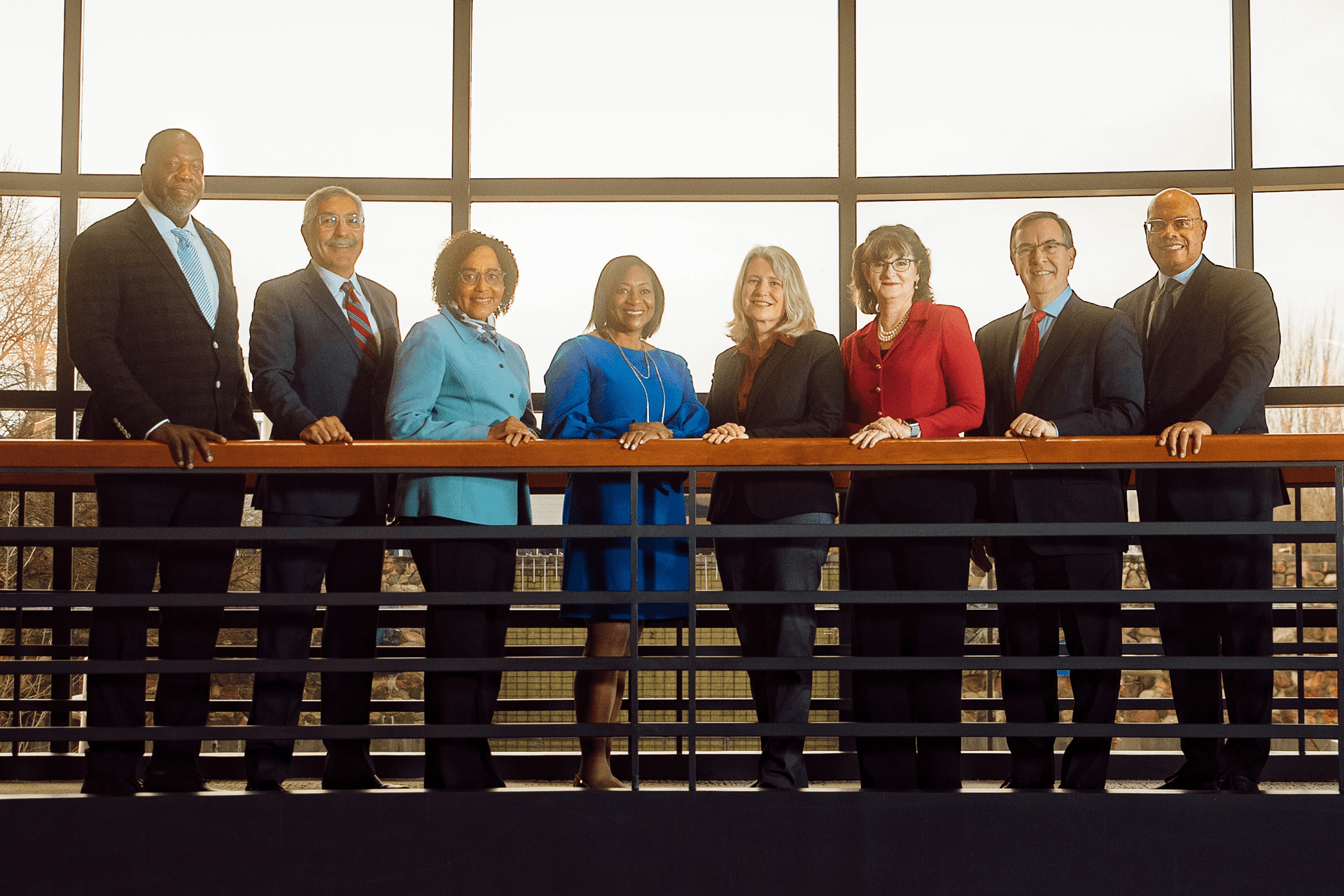
Meet our Board of Trustees

From left to right: Khan Nedd, Grand Rapids, MI; Ramón Murguía, Kansas City, KS; Celeste A. Clark, Battle Creek, MI; La June Montgomery Tabron, Battle Creek, MI; Cathann Kress, Columbus, OH; Christina K. Hanger, Plano, TX; Richard M. Tsoumas, Battle Creek, MI; and Rod Gillum, Detroit, MI. Not pictured: Milton Chen, San Francisco, CA.

As an important and strategic focus for our grantmaking, explore how WKKF trustees explain systems change.

Board of Trustees

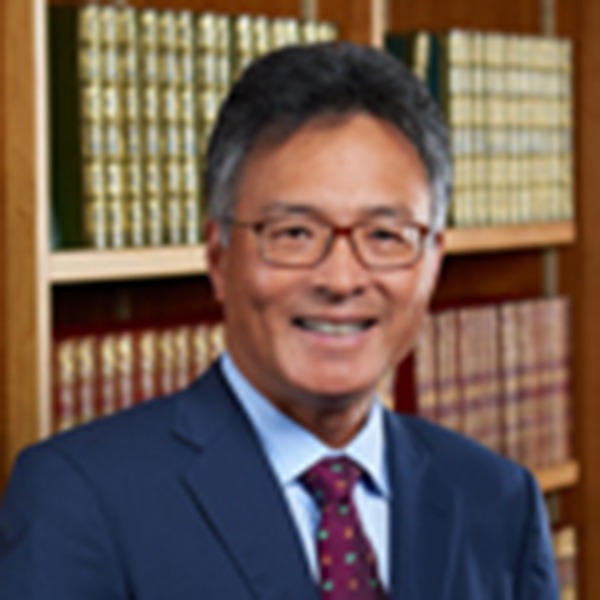
Milton Chen | San Francisco, CA

Milton Chen | San Francisco, CA

“Systems of inequity rely on perpetuating power and privilege. Systems change relies on movements bringing public pressure to bear on inequitable systems. And on extraordinary leaders willing to devote their lives to dismantling such systems, often at great personal sacrifice.”
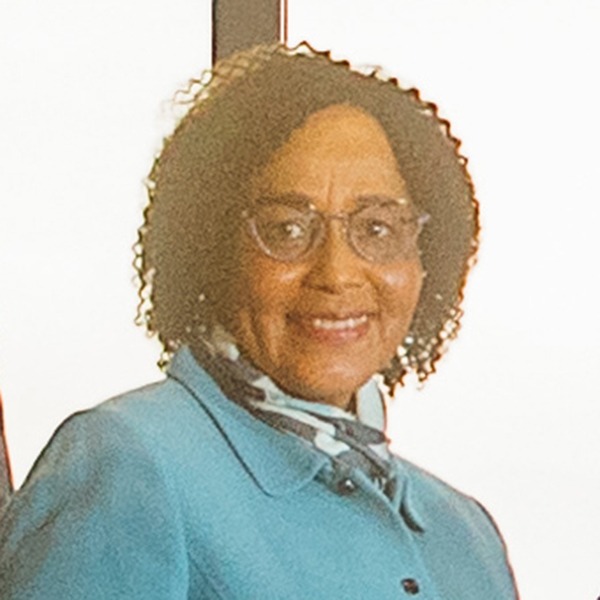
Celeste A. Clark | Battle Creek, MI

Celeste A. Clark | Battle Creek, MI

“Systems change does not happen—it is caused—through persistent hard work, girded by hope and optimism!”
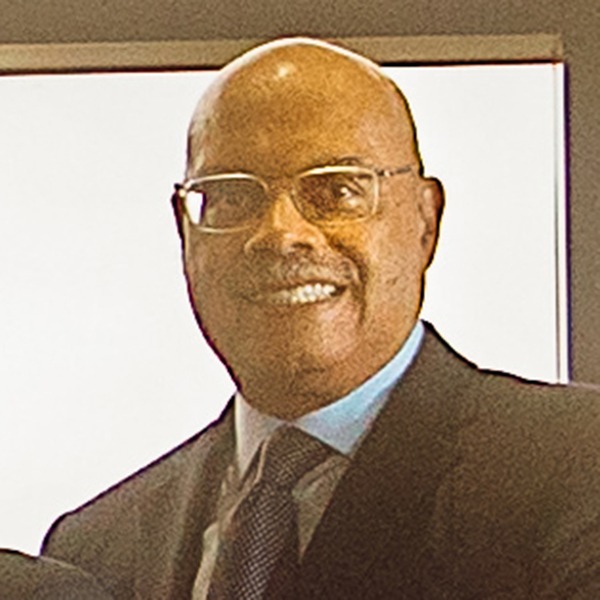
Rod Gillum | Detroit, MI

Rod Gillum | Detroit, MI

"Systems change grapples with the underlying causes of an undesirable condition, and not just the effects. Some guidance can be found through the lens of a gardener who is confronted with a dying plant. Does he water the brown leaves, or should his attention be on the roots—are they irrigated, provided the appropriate nutrients, and room to grow?”
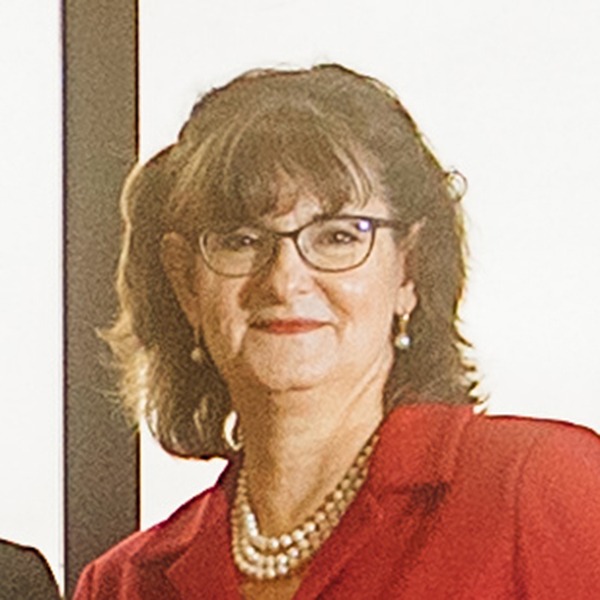
Christina K. Hanger | Plano, TX

Christina K. Hanger | Plano, TX

"Systems change is complex, challenging work. At WKKF, we are addressing the root causes of social problems, like inequity and poverty, to create long lasting, sustainable solutions. To do this work, we make long-term commitment, working with local leaders to shape policy, and building capacity of communities to effect change. Just like when you throw a pebble in a pond, systems change ripples outward with far reaching and transformative impacts."
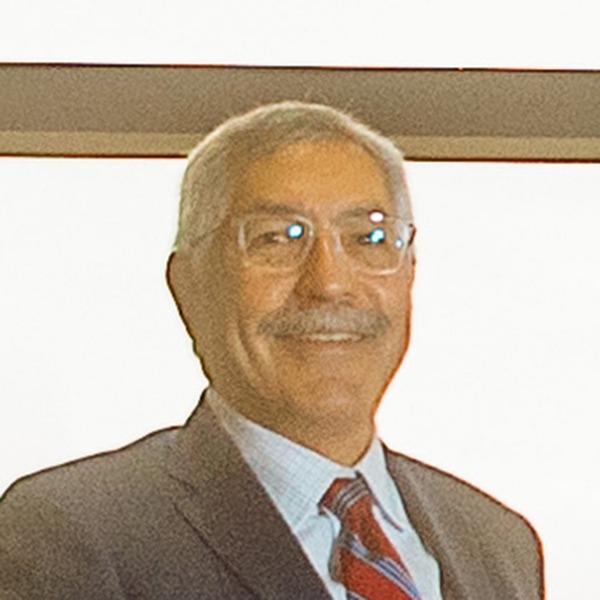
Ramón Murguía | Kansas City, KS

Ramón Murguía | Kansas City, KS

“Systems Change means our efforts to address the root causes of persistent poverty and discrimination to improve outcomes for vulnerable children. To me this means we must work across sectors (government, institutions, communities) to disrupt the status quo and push for transformative ways of addressing requisites of our most vulnerable and marginalized children. Unlike others in philanthropy, at WKKF we endeavor to include the voices of the families and communities thar are affected by the systems we seek to change.”
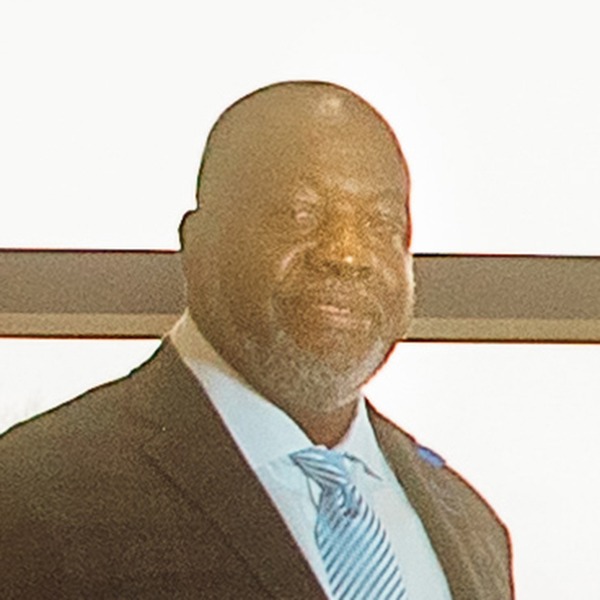
Khan Nedd | Grand Rapids, MI

Khan Nedd | Grand Rapids, MI

"System change: Balancing the natural energy of change with the deliberate interference of system evolution, guided by the principle building more equitable communities. Looking back forward!”
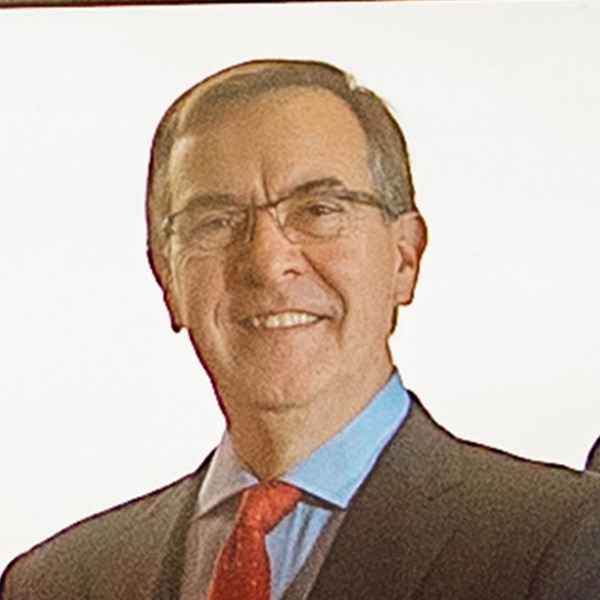
Richard M. Tsoumas | Battle Creek, MI

Richard M. Tsoumas | Battle Creek, MI

"To me, Systems Change means great opportunity and leverage. When we can change systems that impact many, rather than a few with an individual grant, or a small group through a program, we create great leverage and scalable change. It is compound growth for social good!”