 By
By Listen on all audio platforms


episode summary
What does racial healing look like in New Mexico, a place shaped by centuries of Indigenous, Hispanic, Mexican and Anglo histories?
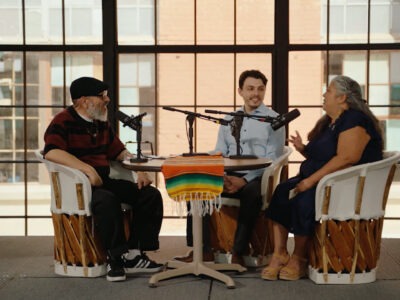
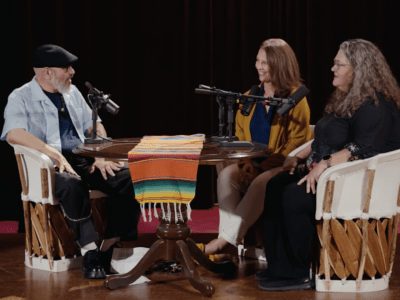
In this episode of Pass the Sopapillas, host Manuel González brings together cultural leaders, educators and advocates Michelle Otero, Casey Douma, Dulcinea Lara and Loretta Trujillo for an honest conversation about healing, identity and community. Through personal stories, the guests reflect on the lasting impacts of colonization, inherited trauma and systemic inequities while exploring what it means to build relationships across differences.
Michelle Otero discusses the power of storytelling and vulnerability, while Casey Douma shares how Native communities navigate identity, belonging and connection beyond reservation boundaries. Together, they examine the role of truth-telling, accountability and intentional relationship-building in creating pathways toward healing.
In the second half of the episode, Dulcinea Lara and Loretta Trujillo focus on education as a vehicle for transformation. They explore how culturally responsive teaching, language preservation and community-centered learning can empower young people and challenge systems that have historically marginalized Indigenous and Hispanic communities. Drawing on the landmark Yazzie-Martinez education lawsuit, they discuss what it means to redefine success for future generations.
Throughout the conversation, one theme remains constant: healing begins when people are willing to listen, share stories and recognize one another’s humanity. This episode offers a powerful reflection on the future of New Mexico and the work required to build a more equitable and connected society.
We have to be truth-tellers in this work, and we have to be willing to hear truths.
Digging Deeper: Reflection Questions
In true New Mexico fashion, we invite you to a sobremesa — a traditional space for conversation and sharing, gathered around a table of your choice.
This conversation is an invitation.
There are no right answers — just stories, reflections and listening.
If you can, pass something around the table (a napkin, a candle, a sopapilla).
Whoever holds it speaks.
Ask around the table:
Who taught you about where you come from?
What is a story about your family or community that you want to make sure is remembered?
Ask around the table:
What barriers make it harder for people to reach their potential, even when they have talent and determination?
Can you think of a time when financial support, education or encouragement helped you move forward?
Ask around the table:
What can we do to create more spaces where people feel seen, heard and respected?
What would a more connected and equitable New Mexico look like to you?
Thank everyone for sharing and remember:
Healing begins with listening.
It asks us to tell the truth, make room for one another’s stories and build relationships across differences.
Episode Guests
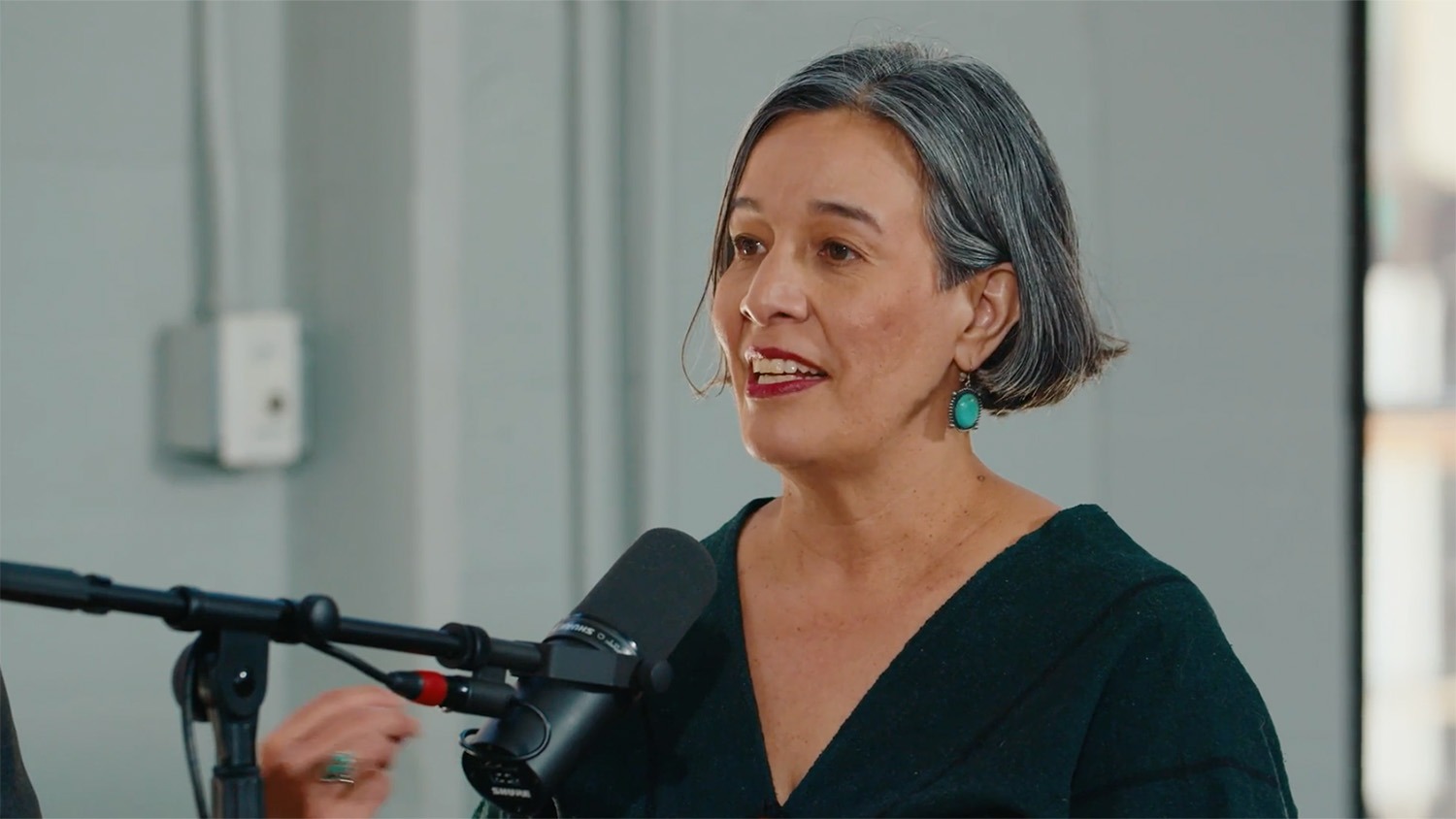
Michelle Otero
Writer, Coach and Facilitator, ArteSana Creative Consulting
Michelle Otero is a writer, coach and facilitator who utilizes creative expression and storytelling as the foundation for organizational development and positive social change. Originally from Deming, New Mexico, she engages individuals and communities through shared story, with applications ranging from helping conservation organizations better understand the priorities of traditional land-based communities to leading the Race, History and Healing Project, a series of talking circles on culture, shared values and the representation of complex history in public spaces. She is the founder of ArteSana Creative Consulting and Gozo, a creative retreat for women and nonbinary writers in Oaxaca.
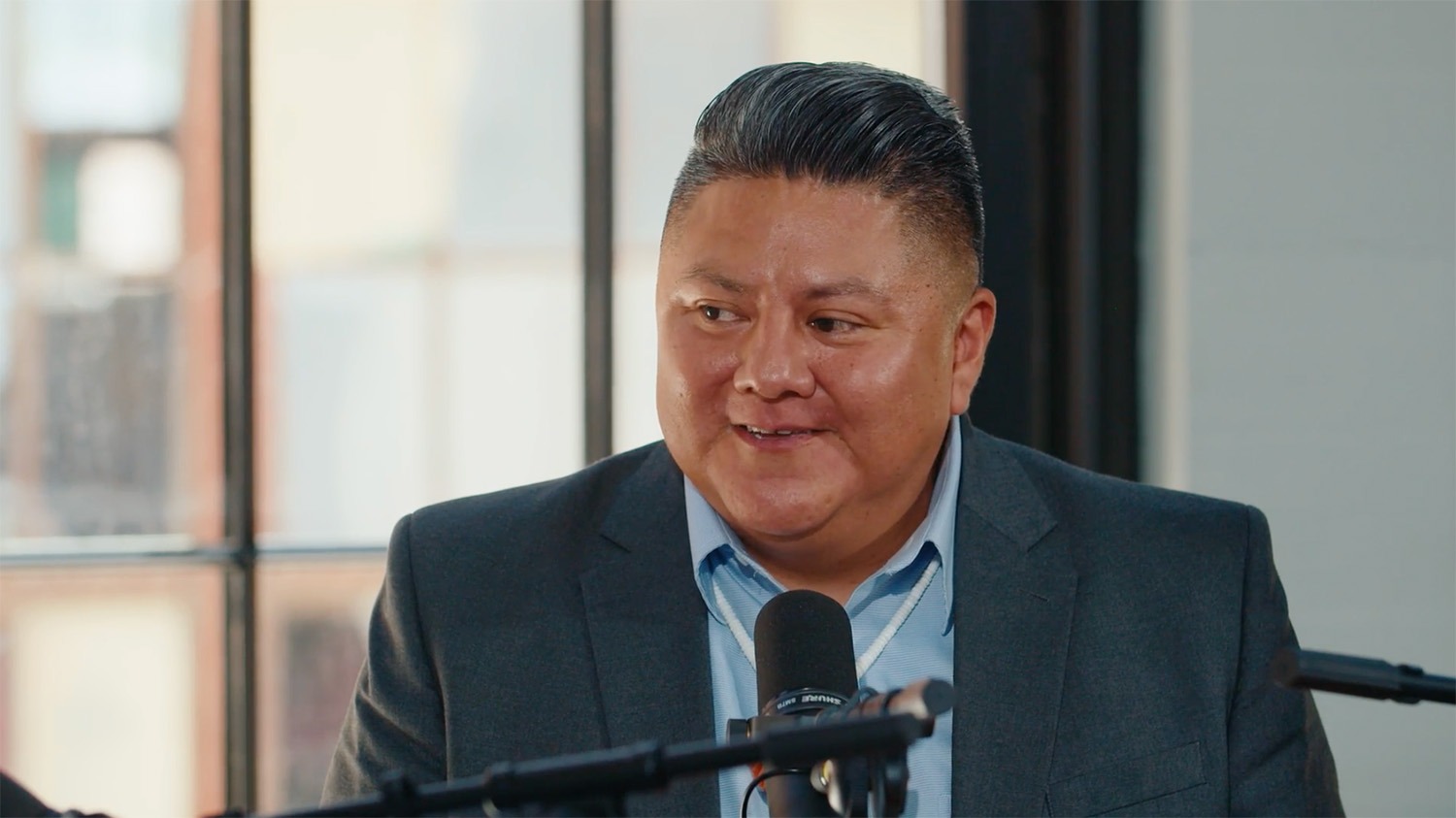
Casey Douma
Attorney, Educator and Advocate
Casey Douma is an attorney, educator and advocate whose work focuses on advancing the rights, sovereignty and well-being of Native communities. A member of the Pueblo of Laguna and Hopi Tewa tribes, he has spent his career supporting tribal nations on issues ranging from economic development and environmental protection to cultural preservation, healthcare and restorative justice. He serves as chairman of the board of directors for the New Mexico Center on Law and Poverty, where he advances economic and social justice through advocacy, litigation and education. Douma mentors Native youth through the SFIS Leadership Institute’s Summer Policy Academy, a program developed in partnership with Princeton University, providing opportunities for young people to engage in federal, state and tribal policy. He has also taught at the University of New Mexico School of Law and the Native American Studies Graduate Program. He holds a juris doctorate from the University of New Mexico School of Law, an LL.M. in Indigenous Peoples’ Law and Policy from the University of Arizona College of Law and a bachelor’s degree in business administration from Haskell Indian Nations University. Douma is a W.K. Kellogg Foundation Community Leadership Network fellow.
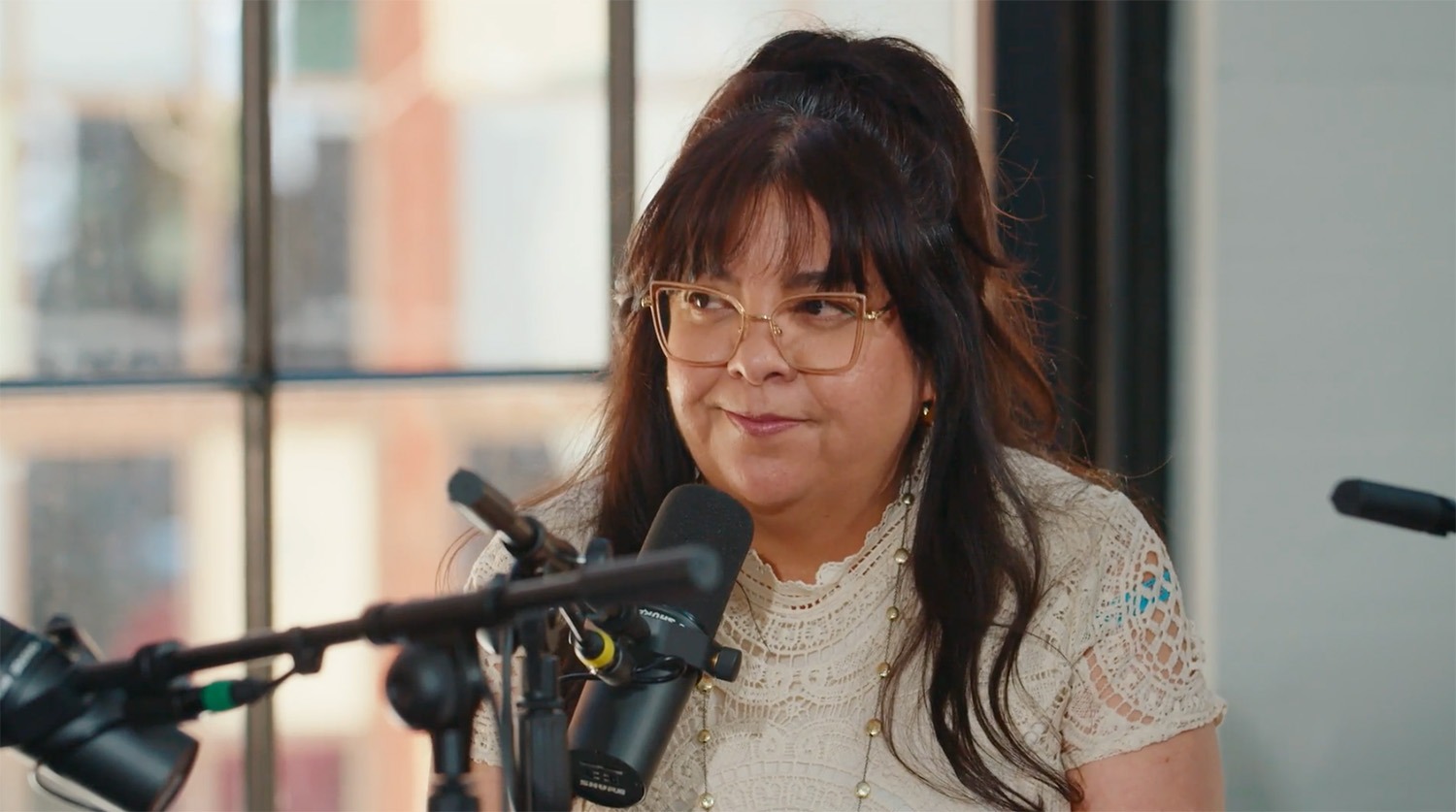
Loretta Trujillo
Executive Director, Transform Education New Mexico
Loretta Trujillo is a teacher, poet, activist and mother of four with more than 20 years of experience teaching middle and high school students. Her ancestral roots in the Chama Valley of northern New Mexico have deeply influenced her identity and connection to the state, and her experience working with bilingual, immigrant, first-generation college and Indigenous students forms the foundation of her pedagogy. As a classroom teacher, she received the Fueling Increasingly Relevant Education Award in 2012 and the “Echando Flores” Award in 2014. She now serves as Executive Director of Transform Education New Mexico, a statewide coalition of education advocates working to address deep inequities in New Mexico’s schools through policy advocacy and community engagement. Her work is tied to the landmark Martinez/Yazzie v. State of New Mexico case, in which the New Mexico Supreme Court found the state guilty of failing to meet its constitutional obligation to provide a sufficient education for Native students, English language learners, at-risk students and students with disabilities.
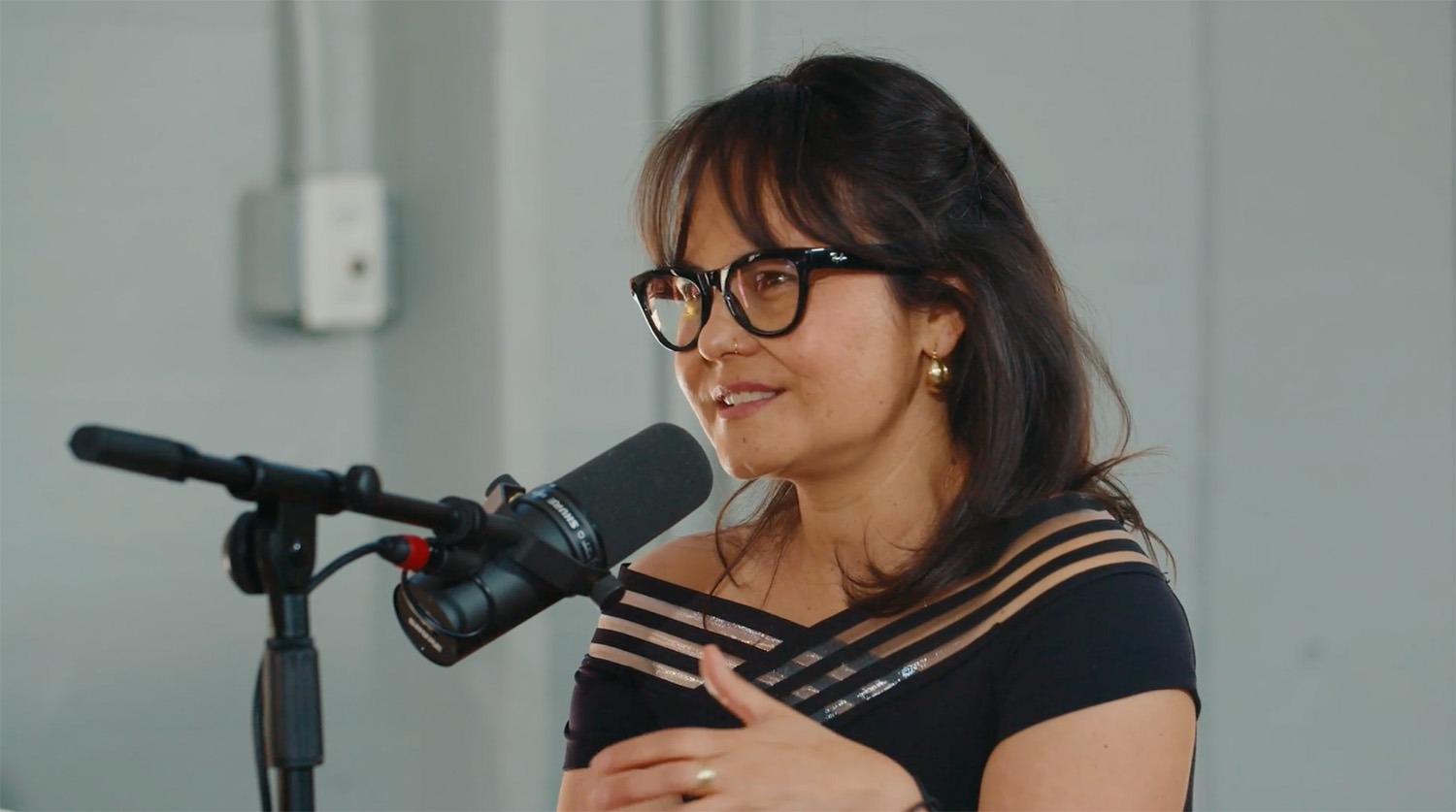
Dr. Dulcinea Lara
Department Head, Borderlands and Ethnic Studies, New Mexico State University
Dr. Dulcinea Lara was born and raised in a colonia in southern New Mexico by parents with multi-generational roots in those lands. She holds a doctorate in Comparative Ethnic Studies from the University of California, Berkeley and serves as department head of the Borderlands and Ethnic Studies Department at New Mexico State University, a department fought for by community members, students and faculty at NMSU since the late 1960s.
Episode Partners


Comments