 By
By 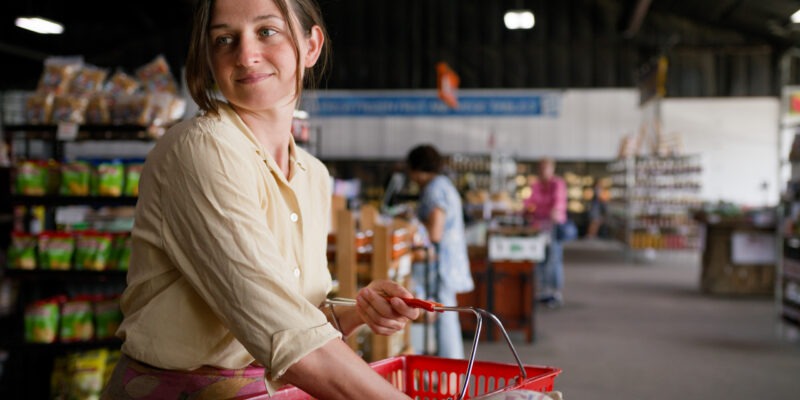
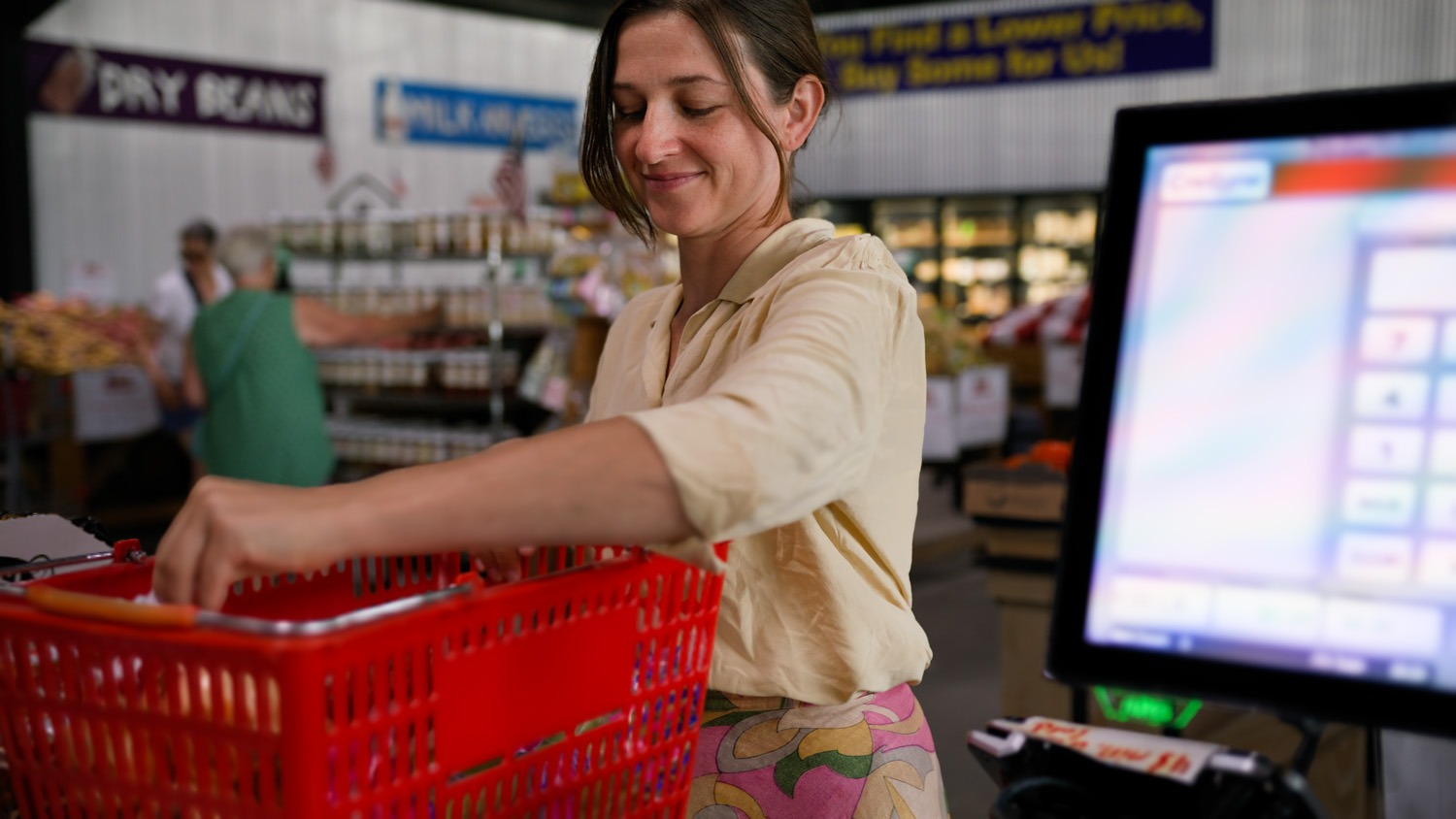
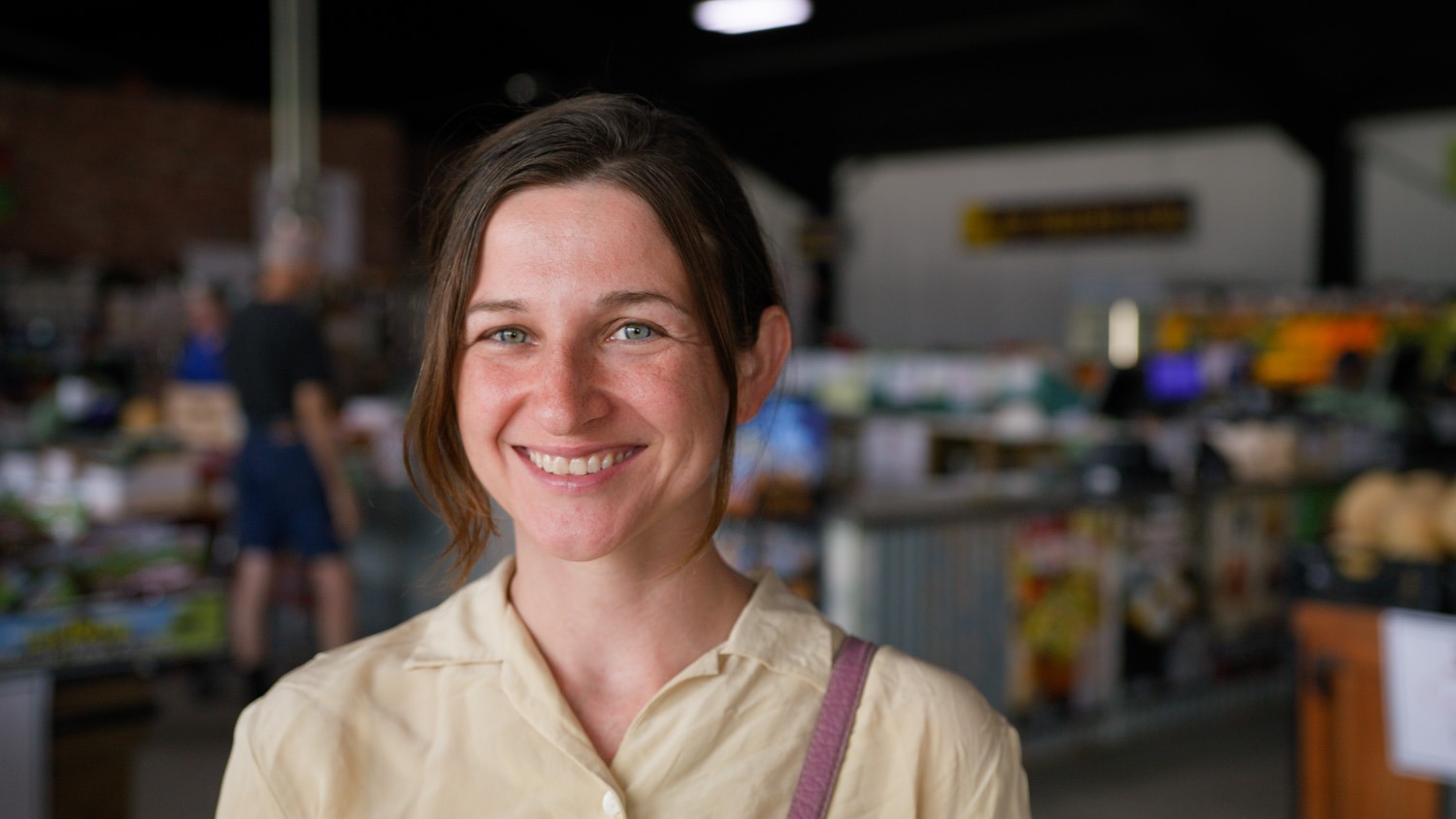
Inside the Main Street Market in downtown Baton Rouge, the price cards are handwritten. Peppers and okra sit in wooden crates. Along the wall, jars of pickles and preserves are lined up by the dozen.
Elliott Crow knows this place well. Every Saturday she brings her three daughters to the farmers market, where the vendors wave to the girls and sometimes send them home with sunflowers.
“It’s really important for me to feed my children healthy food,” Crow said. “We love cookies, but generally, we try to eat a lot of proteins and vegetables.”
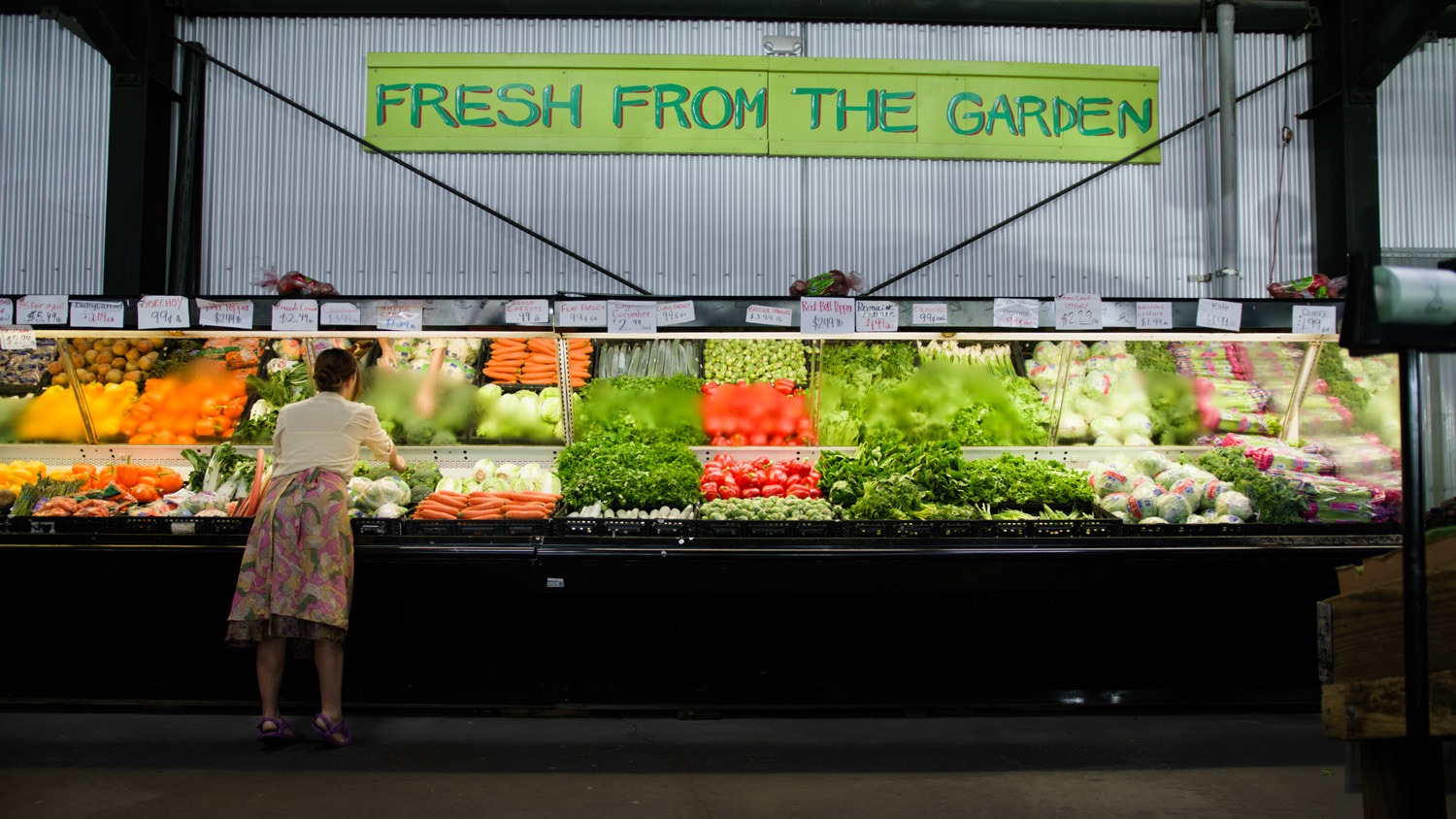
She pays for much of it with her SNAP card.
And when Crow spends those benefits here, the dollars do more than fill her family’s grocery bags. They also support the Louisiana farmers who grow the food inside them.
A pressure many families know
Crow came to SNAP the way many families do: unexpectedly. She had been working since she was 18 and was building a career in Louisiana’s film industry when productions shut down in 2020. For the first time, she applied for food assistance.
“I got on the SNAP program, which I was so grateful for,” Crow said. It gave her a way to keep nutritious food on the table after her work disappeared.
“I’m still trying to get my footing back and picking up jobs wherever I can to take care of my small children,” Crow said.
She plans her meals, cooks from scratch and drives to several stores to make the month’s grocery budget stretch for her family.
Healthy options, she said, are often the ones “that are lacking from grocery stores or that are prohibitively expensive.”
Many Louisiana families know that calculation.
Sometimes that means buying less fresh food as the month goes on. Sometimes parents skip meals or stretch what is left in the pantry until the next paycheck. A job loss, a medical bill or the rising cost of rent, utilities and groceries can turn a household budget that barely worked into one that no longer does.
For families who qualify, SNAP helps close the gap. In June 2026, roughly one in seven Louisiana residents received SNAP benefits, and nearly half of recipients were children. Research has found that participation in SNAP reduces the likelihood that families — and especially children — will go without enough food.
But the impact of those grocery dollars does not end at the family table.
When shoppers like Crow spend SNAP benefits at farmers’ markets, it reaches another part of Louisiana’s food system: the people who grow the food.
The farmer down the road
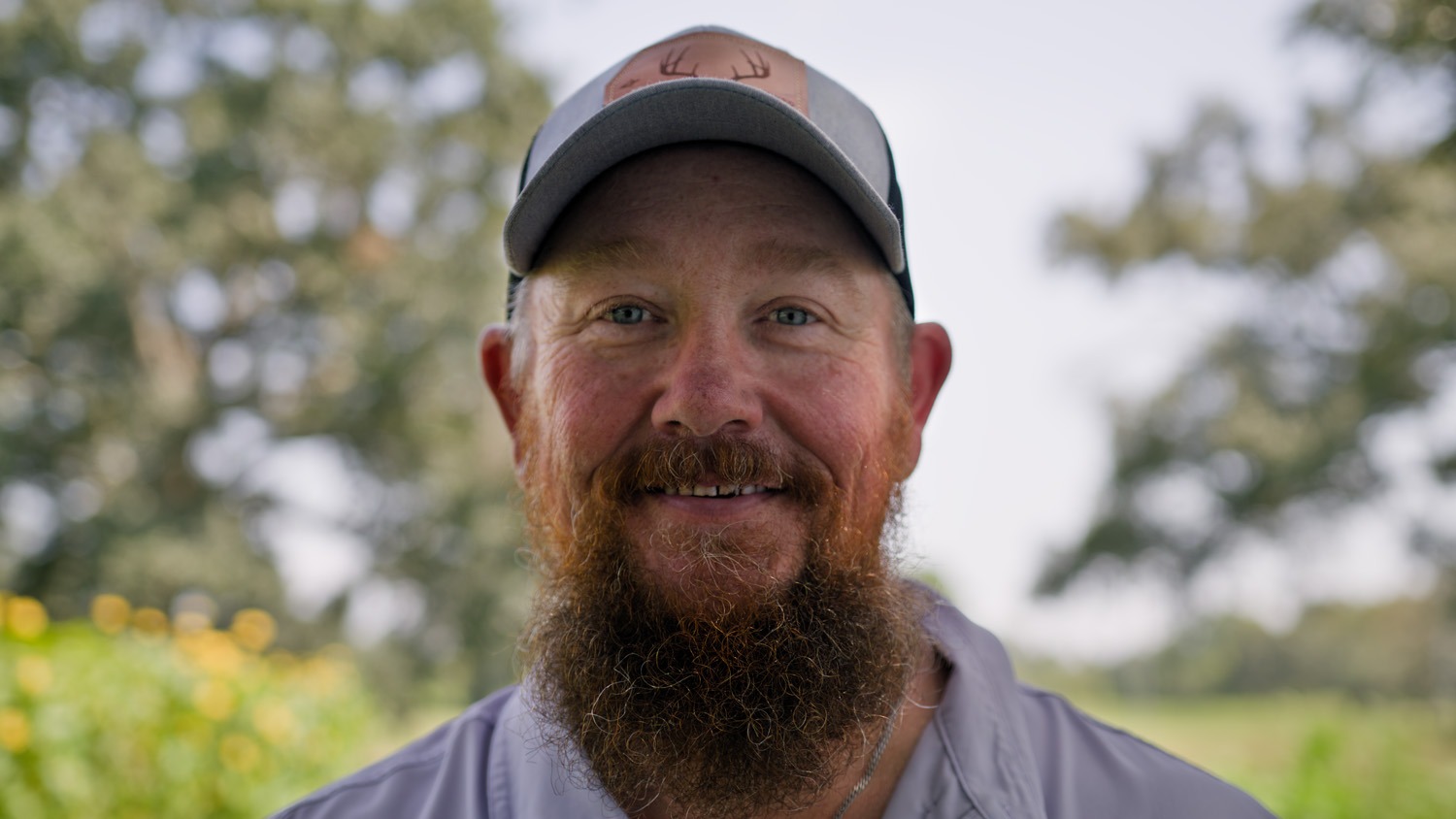
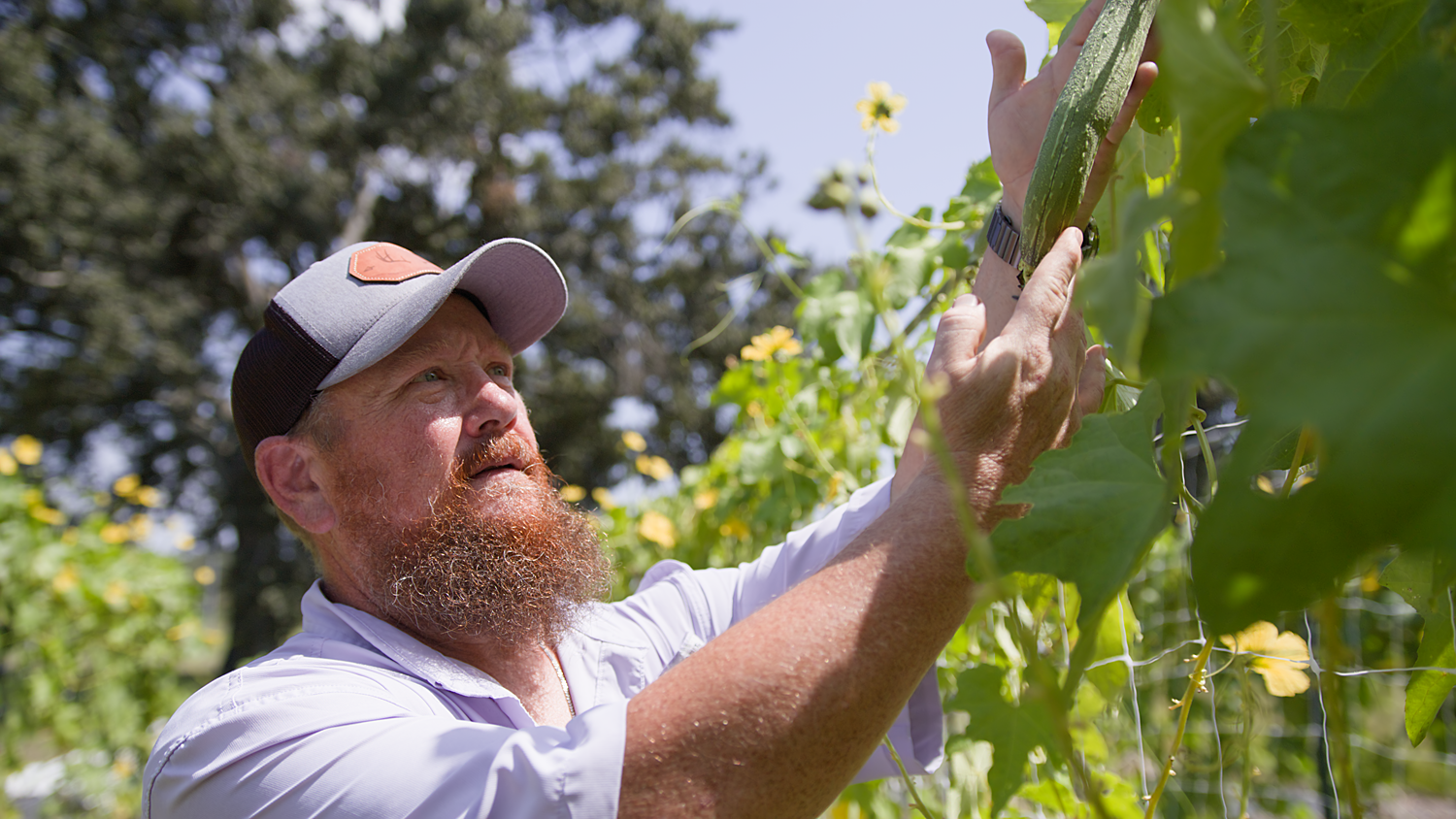
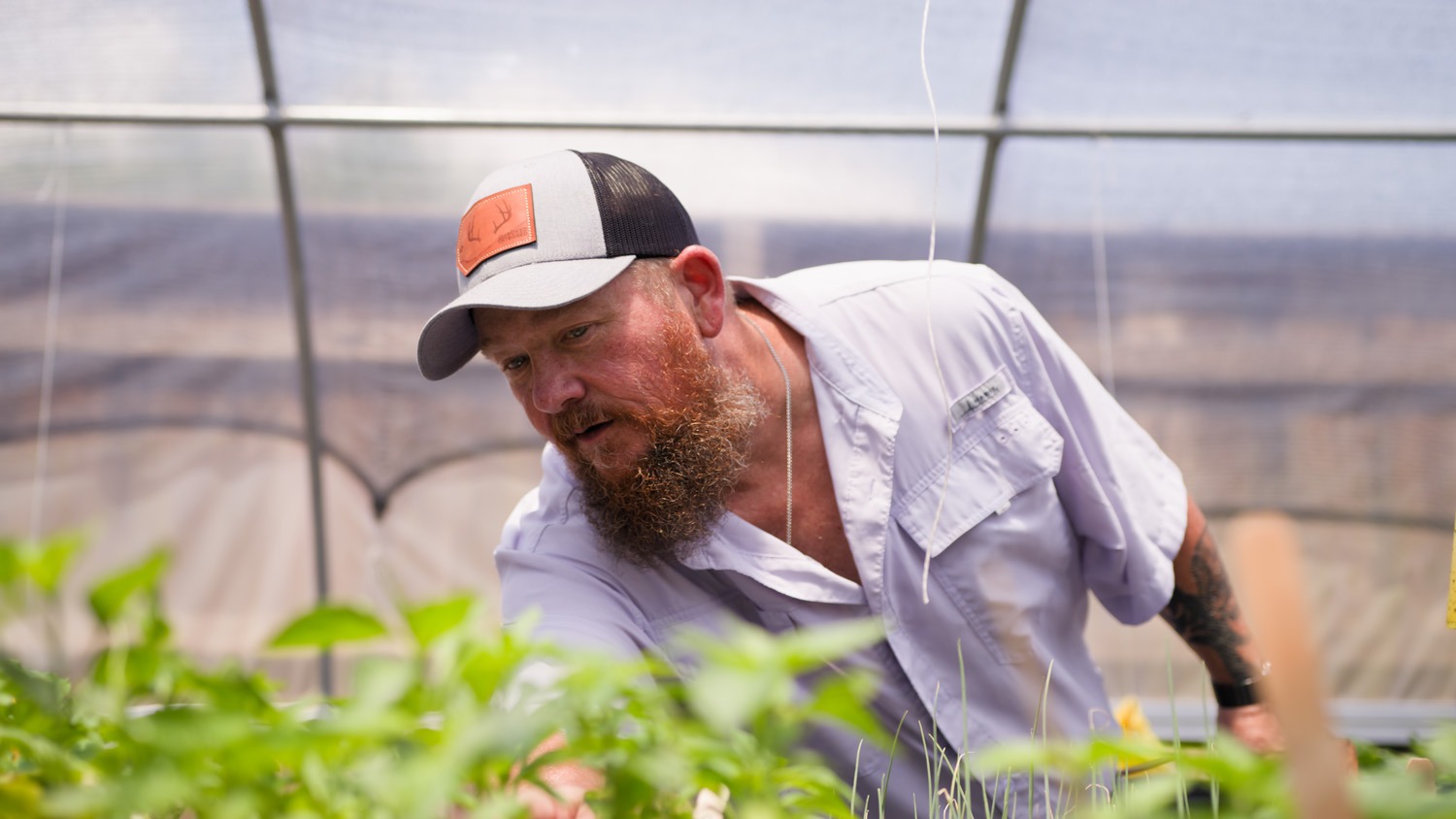
About 250 miles north of Baton Rouge, Derek Moore grows vegetables on his family’s small farm in Heflin, near Shreveport. He and his wife run Moore Hill Farm & Garden with their two daughters, ages 18 and 15, who have worked alongside them in the fields for years.
“I tell people I’m a bootstraps farmer,” Moore said.
He started growing fresh fruits and vegetables for his own family, and over time it grew into a family business.
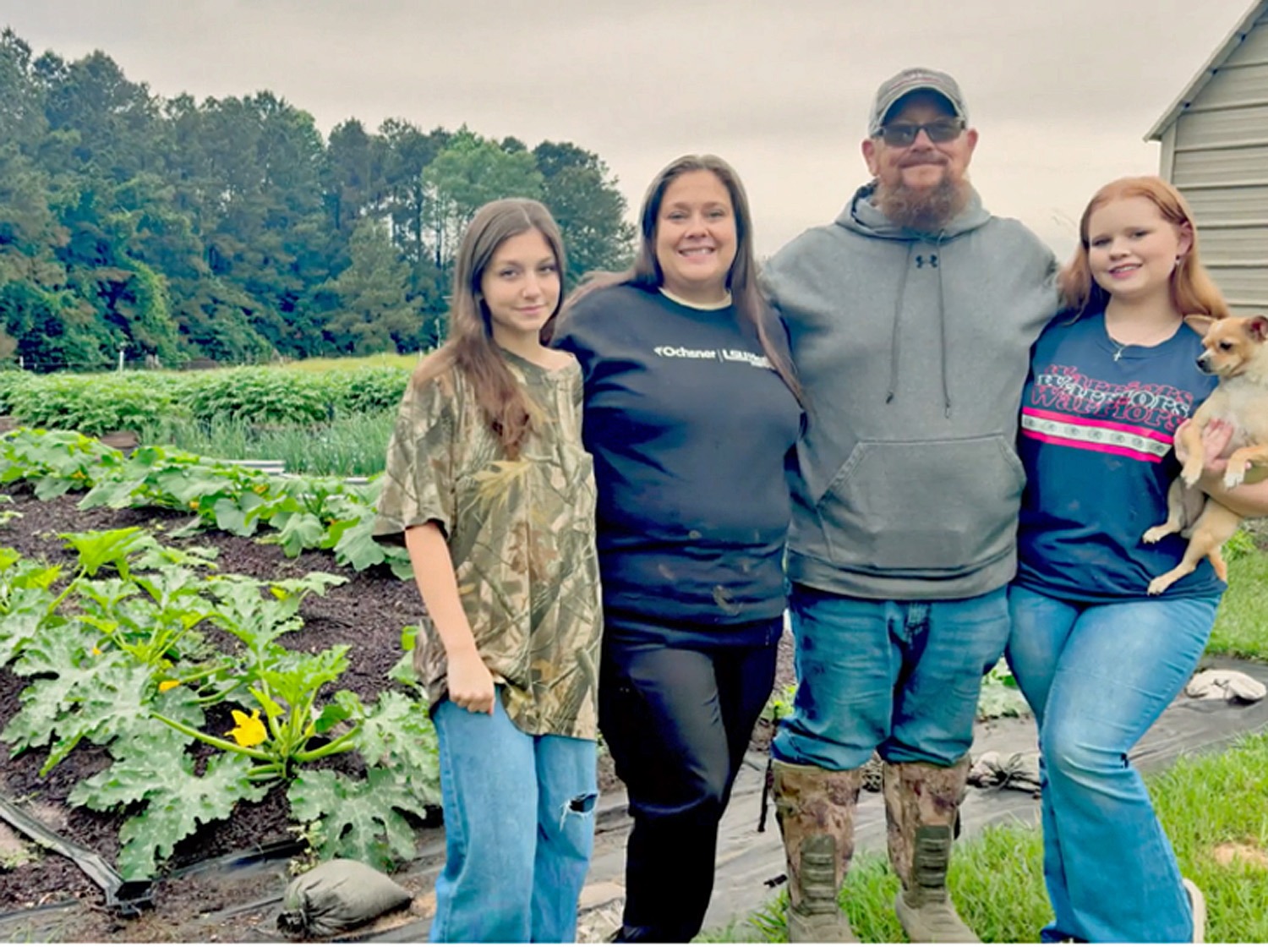
He remembers when more of his neighbors farmed, too.
“Used to be a farming community,” Moore said. “People grew watermelons, lots of corn, stuff like that.”
There are fewer farms today. The state counted 25,006 farms in the most recent agricultural census, nearly 10% fewer than five years earlier. Most that remain are family-run, and the smallest growers among them have the least room to absorb a bad year.
Unlike the big commodity operations, Moore has no federal subsidy behind him, the kind of safety net that steadies larger farms through the years a crop fails or prices drop. A freeze, a failed crop or a slow Saturday can mean absorbing the loss himself.
“If my crop don’t grow, I’m out three thousand dollars for a bed of lettuce,” Moore said.
That makes every customer — and every market day — matter.
A dollar that counts twice
At farmers markets across Louisiana, SNAP dollars can stretch further.
Through the Greaux the Good program, shoppers who use SNAP receive a match when they buy fresh food. Money that might buy one bag of produce can buy two.
For families, that means more fresh food on the table. For farmers, it means more dollars from produce sales.
That connection grew out of a challenge Louisiana farmers and food advocates had been working to solve from both sides: families needed better access to affordable, nutritious food, while small producers needed more places — and more customers — to buy what they grew.
Those pressures intensified during COVID-19. The New Orleans Food Policy Action Council surveyed local producers and found that high costs and limited places to sell locally grown food were making it harder for farmers to reach customers.
Farmers and food advocates began pushing for a solution that could address both problems at once: help families afford more fresh food and create stronger local markets for Louisiana growers.
That work helped build momentum for public investment in nutrition incentives at farmers markets. In 2022, the Louisiana Legislature recognized the program, creating the first state funding of its kind for farmers markets in Louisiana.
Greaux the Good is operated by Market Umbrella, a New Orleans nonprofit that has spent decades connecting farmers, food producers and shoppers through the Crescent City Farmers Market and other efforts to strengthen the local food system. Through the program, SNAP dollars spent on fresh fruits and vegetables are matched dollar for dollar, effectively doubling what families can spend on the food that farmers offer.
When Greaux the Good began, less than 1% of Louisiana’s SNAP dollars were reaching farmers directly. Since then, the program has grown to 56 parishes through 21 partner markets and farm stands, helping more families use their SNAP benefits to buy fresh food while creating more opportunities for Louisiana farmers to sell what they grow.
The W.K. Kellogg Foundation supports both the New Orleans Food Policy Council and Market Umbrella as part of its work to improve access to affordable, nutritious, locally sourced food for New Orleans children and families.
That work starts in New Orleans, but the food system does not stop at the city limits. The food families buy in New Orleans is shaped by farmers, markets, supply chains and public policies that stretch across Louisiana. Strengthening access to local food in the city means strengthening the connections between New Orleans families and the producers who grow food throughout the region.
The Louisiana Food Policy Council works at the state level, bringing together organizations from across Louisiana and advocating for continued and expanded public investment in Greaux the Good.
Together, these efforts connect challenges that can otherwise seem separate: whether families can afford nutritious food and whether local farmers have strong enough markets to keep growing it.
What stays in Louisiana
Moore has never met Crow, but he sees SNAP as important to both families and farmers.
“SNAP is designed for people to help feed their families when times get tough, you know, we’ve all been there. I think it’s a great program,” Moore said. “It needs to be there.”
He also sees what happens when families can spend those benefits with local growers.
“It keeps the money in the local economy, and it helps the farmers be able to continue to grow these vegetables,” Moore said.
That spending reaches well beyond a single market transaction. The U.S. Department of Agriculture estimates that during an economic downturn, every dollar in SNAP benefits generates about $1.50 in economic activity. An additional $1 billion in SNAP benefits is estimated to generate about $32 million in income for the agriculture sector.
For Crow, that means more fresh food for her daughters — and a way to spend some of her grocery money with local producers.
“I love that I get to use my SNAP dollars at the farmer’s market,” she said.
Crow and Moore may never meet, but they show what a SNAP dollar spent on local food can do: help feed a family in Baton Rouge and support a farmer near Shreveport.
When more of Louisiana’s grocery money is spent on food grown here, the harvest comes back around: fuller tables, steadier farms and a food economy that grows a little more of what it needs close to home.
Explore the data
- SNAP Fact Sheet – Louisiana. Center for Budget and Policy Priorities.
- Top Louisiana Agriculture Facts From the Most Recent Census of Agriculture. Farm Flavor. 2024
- New program expands access to fresh food and boosts business for Louisiana farmers. The Advocate. 2023
- SNAP is Linked With Improved Health Outcomes and Lower Health Care Costs. Center on Budget and Policy Priorities. 2022
- Household Food Security in the United States in 2024, U.S. Department of Agriculture, 2024



Comments