 By
By This post is also available in:
What does the world look like when children sit at the center of every decision?
Hundreds of educators, artists, advocates and young people from around the globe came together for the inaugural Every Child Thrives Festival to imagine and explore the possibilities. While the conversations spanned topics from mental health and storytelling to play and civic engagement, a handful of ideas emerged again and again.
Here are some insights they discovered:
1. Thriving starts with belonging.
Throughout the festival, one idea surfaced repeatedly: children thrive when they know they belong.
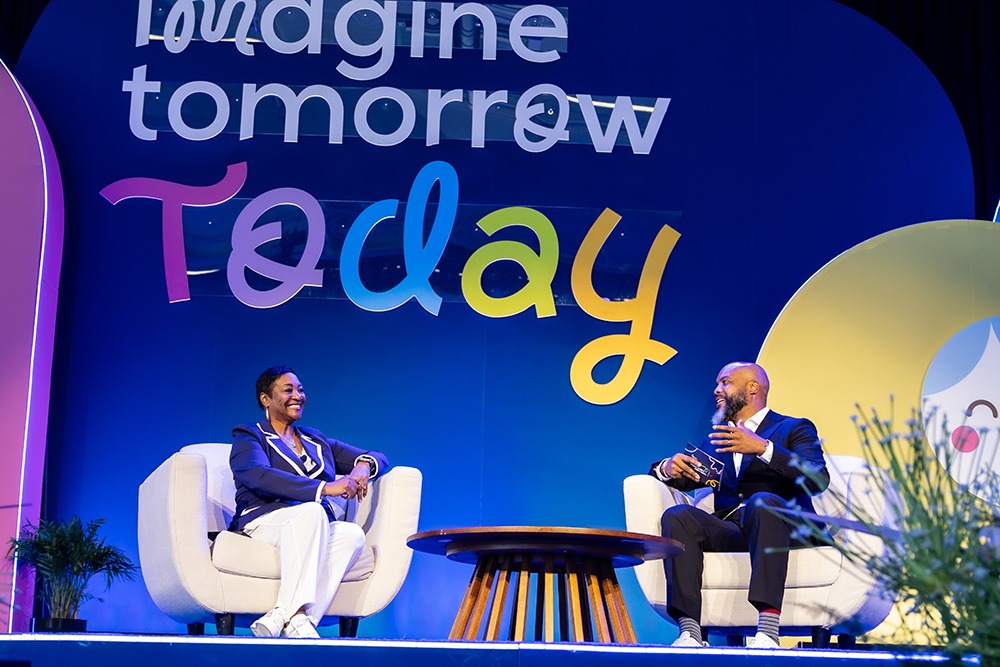
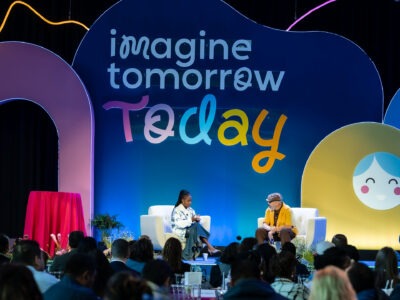
In the opening conversation, W.K. Kellogg Foundation (WKKF) President and CEO La June Montgomery Tabron and journalist Trymaine Lee reflected on belonging as a foundation for hope, trust and opportunity. Their conversation reminded attendees that creating the conditions for children to thrive begins with affirming their humanity. That same message was the foundation of a powerful lightning round story from festival Youth Advisory Council member and co-founder of Nest4Us, Shreyaa Venkat, and echoed across conversations on youth mental health, community leadership and service. Speakers emphasized that belonging isn’t built through good feelings and affirmations alone — it develops through relationships, representation and the opportunity to actively contribute to the common good. When children feel seen, heard and valued, they are empowered to help shape the communities around them.
2. Joy is serious work.
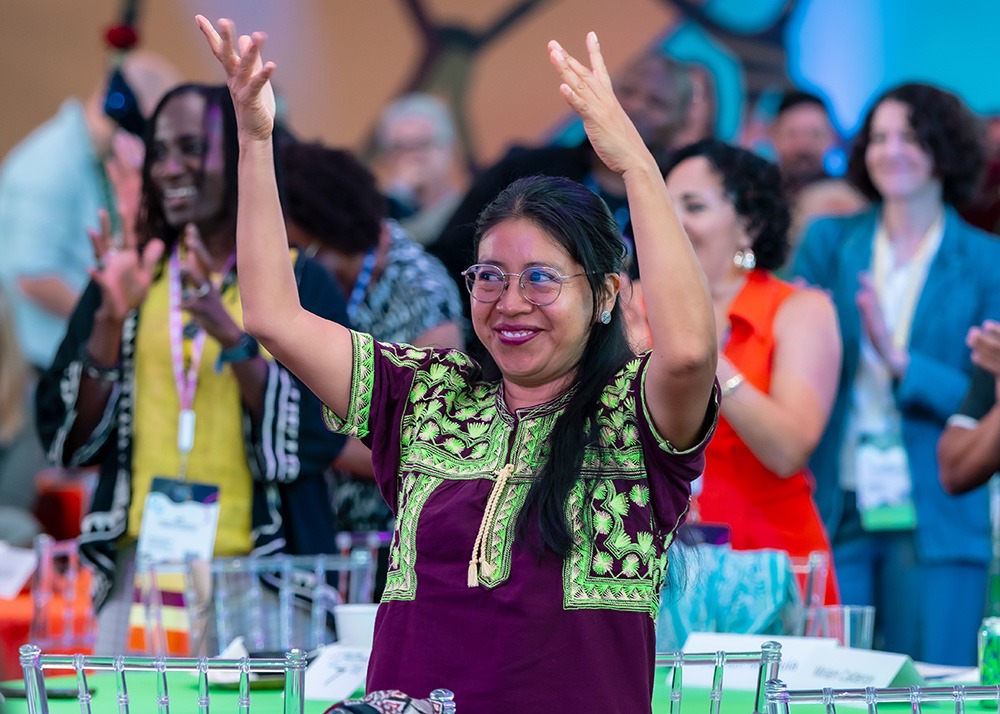
Numerous festival speakers challenged the idea that joy and urgency exist on opposite ends of the spectrum. Instead, they made the case that joy is an essential ingredient for sustaining difficult work.
Steve Gross, founder of the Life is Good Playmaker Project, reminded attendees that if children are going to thrive, the adults who care for them must thrive as well. Through movement and play, he encouraged participants to reconnect with the creativity and human connection that make long-term change possible. Later, The Second City performance featuring alumnus Jack McBrayer reinforced that lesson, using improvisation to demonstrate how playful humor can build empathy and collaboration. Many attendees, who are engaged in demanding work, described a feeling of a weight being lifted from their shoulders and reflected on how to integrate joy as they carry forward their responsibilities with renewed energy and resilience.
3. Young people aren’t waiting. They’re already leading.
The Every Child Thrives Festival was designed in partnership with young people. It showed.
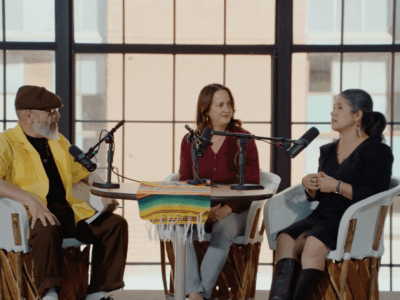
From youth facilitators and storytellers to sessions like the live recording of “Pass the Sopapillas” and Live from the Living Room, young leaders consistently challenged the assumption that children and young adults should simply inherit the future. Instead, they demonstrated that they are already molding it by improving schools, strengthening communities, influencing policy and creating opportunities for others. As speakers throughout the festival reminded attendees, young people don’t need permission to lead. They need seasoned advocates and leaders willing to listen, invest in their ideas and create pathways for their leadership to grow.
4. Our communities hold the answers.
Some of the festival’s most meaningful moments happened away from the main stage.
During the Field Immersion Labs, participants stepped into the neighborhoods of Chicago, visiting cultural and educational spaces already doing the work of supporting children and families every day. Through community-rooted conversations about identity, healing and belonging, attendees saw firsthand that transformative solutions are often already taking shape at the local level. Rather than asking communities to fit existing systems, the festival invited participants to learn from people who are designing solutions alongside the families they serve.
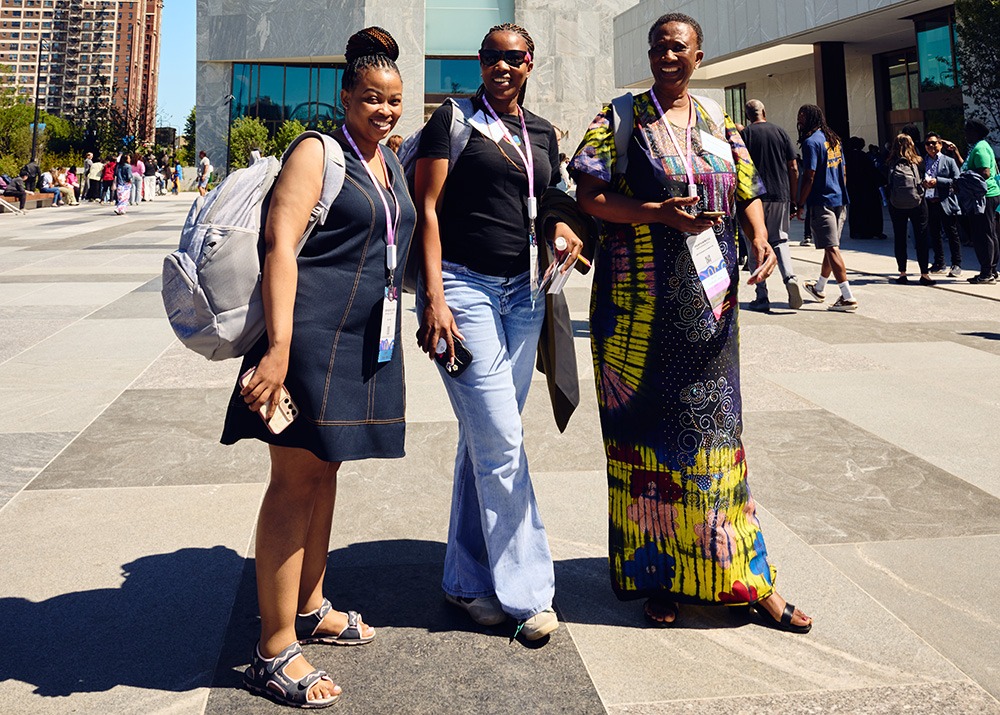
Among the attendees were 50 members of the Global Fellows Network from Latin America, the Caribbean and Southern Africa who are leading transformative work in their own communities. The delegation was easily spotted by their gray backpacks, easy laughter and the infectious energy that comes from seeing, in real time, how their individual work back home connects to a global movement for thriving children and families.
5. Imagining the future is the first step.
The future we want begins with the courage to imagine something different.
That idea came to life during Imagine If We Got It Right, where speakers offered bold visions of what children, schools and communities could look like a decade from now if we made different choices today. Their ideas stretched across civic participation, early childhood education, belonging and community care, but shared a common belief: imagining a better future is the critical first step toward building one. Throughout the festival, imagination emerged not as an escape from today’s challenges, but as a practical tool for creating tomorrow’s solutions.
6. Intergenerational relationships are the infrastructure.
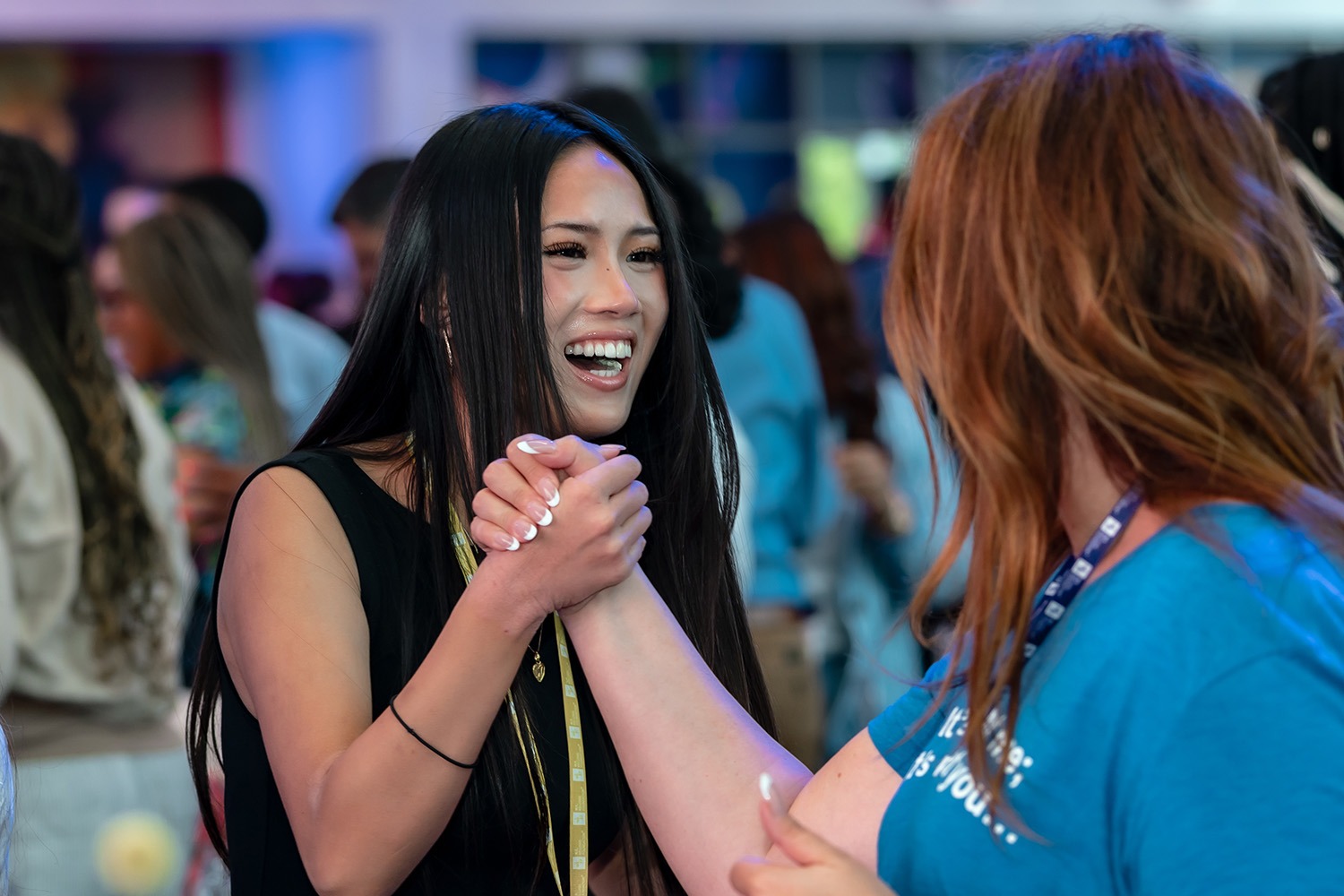
Strong communities are built not only through policies and programs, but through the intergenerational relationships that sustain them.
Across conversations on education, health, civic engagement and community-building, speakers returned to the importance of listening across generations, geographies and languages, and creating spaces where people can learn from one another. Whether discussing family-centered healthcare, collaboration between educators and communities or the everyday acts of kindness that help children feel supported, it became clear that lasting change depends on the strength of the human connections that make systems work. Investing in intergenerational relationships creates the strongest foundation for building a better future for everyone.
7. Trust grows through conversation.
At a time when trust can feel increasingly fragile, the festival offered a different path; one rooted in conversation.
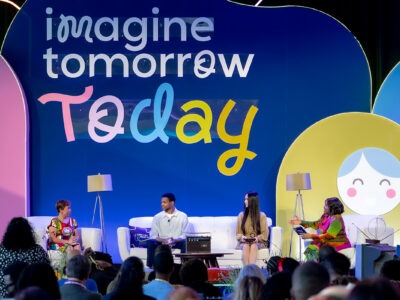
Sessions like Bridging Divides explored how meaningful dialogue across ideological differences strengthens democracy and communities’ ability to care for their children, emphasizing that frequent, authentic interactions, rather than simply shared opinions, create lasting connection. In Leading the Future Now, speakers called for generations to stop talking past one another and instead solve problems together through collaboration and a willingness to listen. If we can create trusting connections through conversation, we grow our capacity for curiosity and our commitment to keep showing up for one another.
8. Stories shape what’s possible.
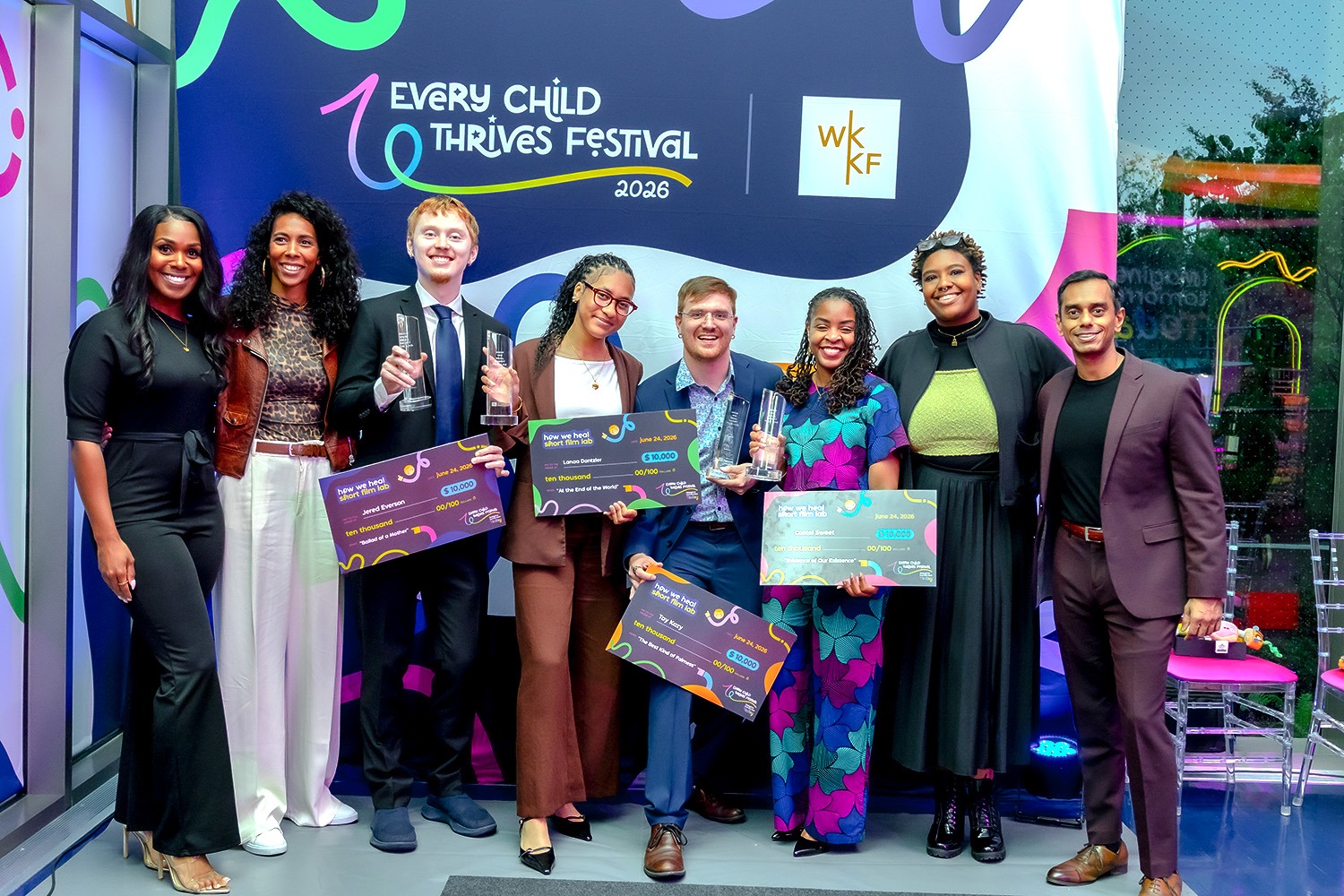
Stories help us see ourselves — and one another — with greater empathy and possibility.
Award-winning poets Amanda Gorman and Manuel González reflected on the power of writing and spoken word to transform personal experiences into collective hope, while the How We Heal Short Film Lab showcased emerging filmmakers using storytelling to deepen understanding and advance racial healing. Elsewhere across the festival, storytelling took many forms: The Tanama Experience invited participants to explore how the comic book characters and narratives we create shape identity; the Subject to Review studio lab used hip hop as a vehicle for examining social justice and personal experience; and the live taping of Pass the Sopapillas demonstrated how podcasting can become a powerful tool for elevating youth voices. Across poetry, film, art and performance, storytelling emerged as a way to preserve culture, expand representation, strengthen community and inspire action.
9. Place matters.
The setting for the inaugural Every Child Thrives Festival reinforced its message.
Held at the newly opened Obama Presidential Center, the gathering invited participants to reflect on a legacy of civic leadership and public service while imagining what comes next. Throughout the festival, neighborhood kids could be seen laughing and playing on the Center’s playground just beyond the meeting space glass; a fitting backdrop for conversations about the future. And, a Chicago host committee made up of leaders from around the city helped ensure Chicago’s rich culture was infused throughout the festival. Visits to the museum, conversations throughout Chicago and partnerships with local organizations reminded attendees that place shapes people — and that people, in turn, shape place. The communities we build, preserve and invest in become the environments where children discover who they are and what they believe is possible.
10. The future isn’t something we predict. It is something we build.
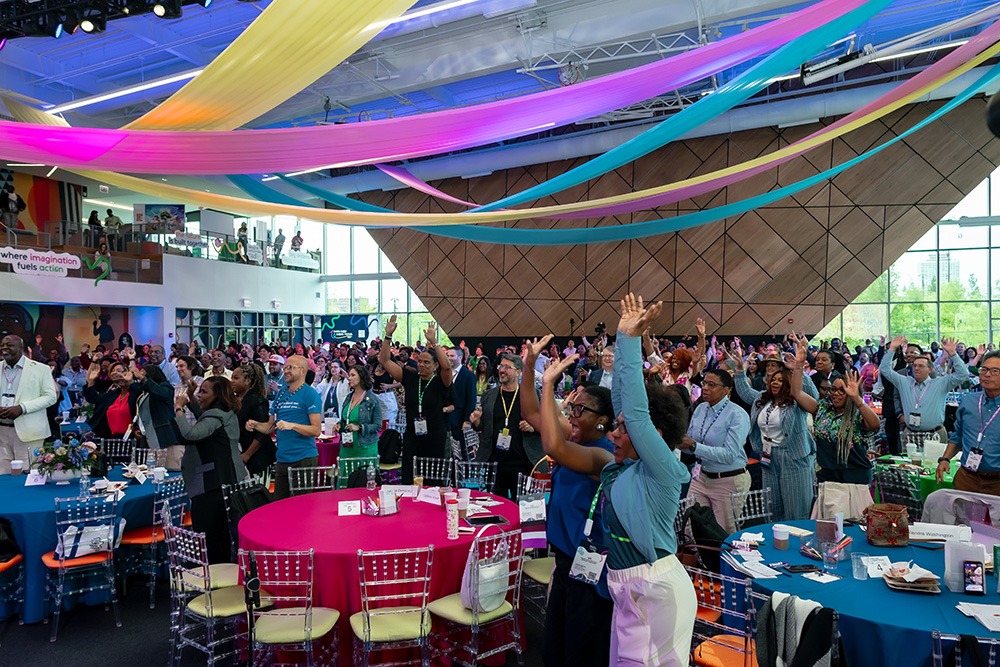
By the festival’s close, one message stood above the rest: the future will be shaped by the choices we make today.
Every conversation, performance and community experience pointed toward the conclusion that creating a world where every child thrives requires all of us. It requires investing in young people, strengthening communities, building trust, embracing joy and imagining possibilities that don’t yet exist. Imagine Tomorrow, Today left participants with an invitation to emerge inspired, take action and begin building the future together.
Comments