 By
By 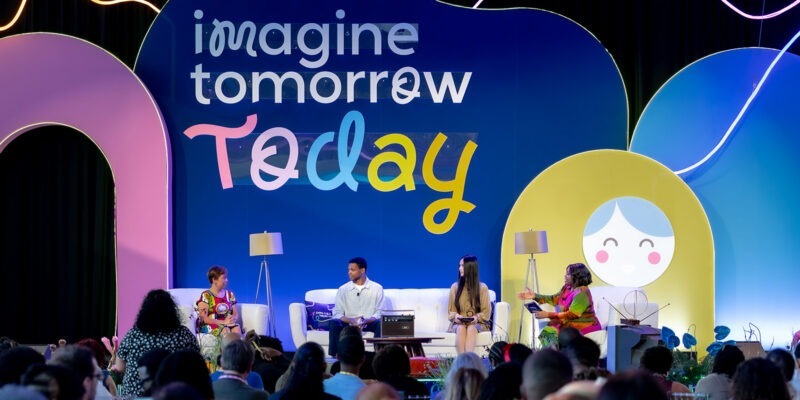
A living room is where stories are passed down, questions are asked, perspectives are challenged and wisdom moves in more than one direction. Children listen to grandparents recount lessons learned over a lifetime. Adults discover that young people often see the world in ways they hadn’t considered. Somewhere between experience and possibility, a shared vision begins to take shape.
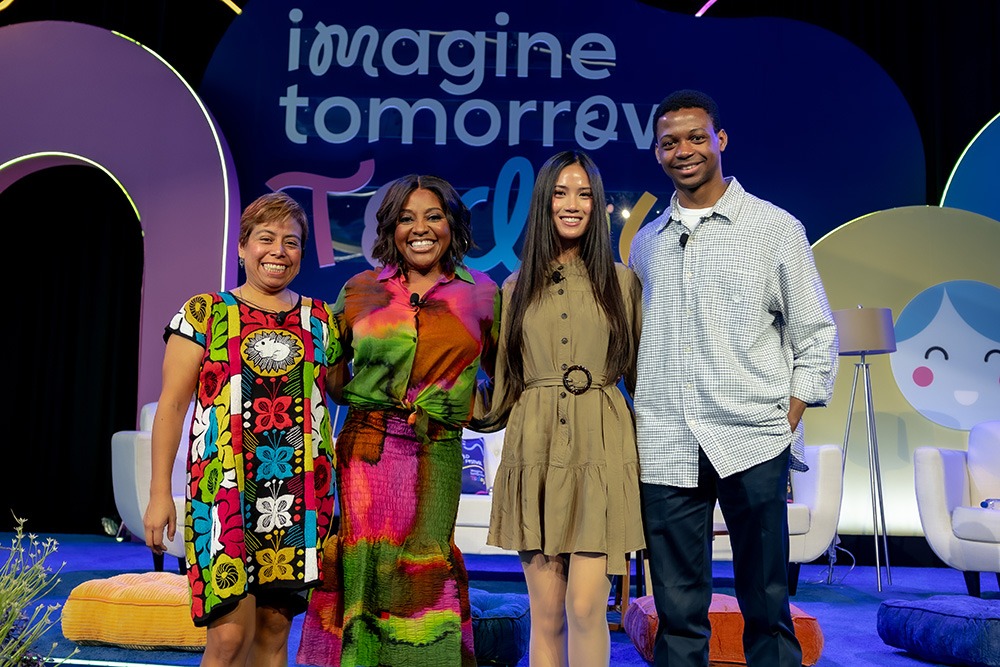
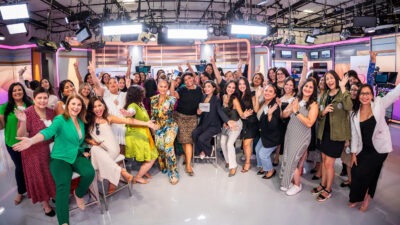
That spirit was at the heart of Live from the Living Room, one of the conversations at the inaugural Every Child Thrives Festival. Youth and global leaders Kim Nguyen, Gédéon Jaboin and Gabriela Salomé Loaeza Santos joined Emmy Award-winning actress and talk show host Sherri Shepherd for a deep discussion with a profound message: Building a better future has always been an intergenerational endeavor.
The power of wondering
Too often, conversations about children position young people as future leaders waiting for their turn.
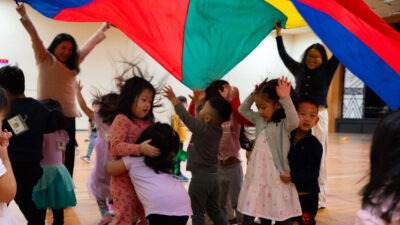
Youth leader Kim Nguyen emphasized a different view. Children aren’t only the future; they are also the present. Through storytelling and mental health advocacy, she has seen firsthand how giving young people the tools to express themselves helps them recognize the power of their own voices.
“It’s not about how we can change the world for the youth. Rather, [it’s about] allowing the youth to change the world for us.”
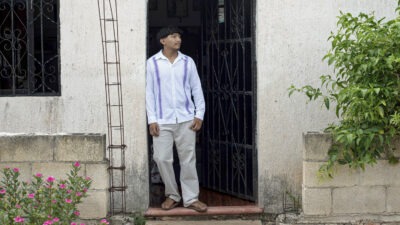
Drawing on his work in agribusiness and youth financial education, Gédéon Jaboin observed that when young people understand how systems work, they become confident enough to participate in shaping them.
Both leaders offered important reframes: What if the question isn’t whether young people are ready to lead, but rather whether our institutions are ready to lead alongside them?
The wisdom of experience
If young people brought wonder to the conversation, the more seasoned panelists on stage demonstrated the wisdom that comes from experience.
Throughout the discussion, Sherri Shepherd spoke candidly about raising her neurodivergent son and the importance of helping children recognize their own strengths rather than seeing difference as limitation.
“We must do all that we can to nurture our children’s gifts, their sense of belonging and their sense of adventure.”
She reflected on the role of friendship, representation and resilience in helping young people navigate an increasingly complex world, reminding the audience that children don’t need adults to have every answer. They need adults who are present, willing to listen and committed to growing alongside them.
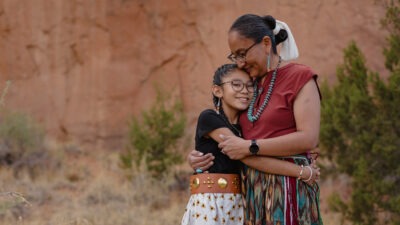
Working alongside Indigenous and rural communities in Oaxaca, Gabriela Salomé Loaeza Santos, spoke about empowering women and girls as a pathway to stronger families and healthier communities. Reflecting on the importance of investing in the place that shaped her, she suggested that creating a better world requires healing from the one that exists now.
“Esa sanación emocional, física e incluso espiritual contemplaba mirar las niñeces y adolescencias desde sus necesidades y derechos. Y en mi pueblo empezamos a hacerlo con deporte, cultura no dejar la escuela.”
Translation: “That emotional, physical and even spiritual healing required us to look at girls and young women through the lens of their needs and rights. In my town, we started with sports, culture and encouraging children not to drop out of school.”
Gabriela’s work reveals that healing goes beyond the personal. If done communally, it can build new systems where all children can grow and thrive equally.
Change begins with making room for one another
Together, the conversation revealed that wisdom doesn’t flow in only one direction. Young people inherit the stories, sacrifices and lessons of those who came before them, while older generations inherit new ideas, fresh energy and renewed hope. Progress depends on both. It asks elders to share what experience has taught them and young people to imagine what experience alone cannot.
Together, the conversation revealed that wisdom doesn’t flow in only one direction. Older generations bring perspective shaped by years of lived experience, while young people bring firsthand insight into how today’s systems are being experienced right now, illuminating what’s working and what’s falling short. Progress depends on both. It asks each generation not only to share what it knows, but also to remain open to what others can see that they cannot.
That exchange is, at its core, an act of generosity.
When we think about generosity, we often think first about giving resources. But generosity can also mean giving someone your attention in order to make room for new perspectives. Every invitation to mentor, every decision to listen before speaking, every chance we give a young person to lead strengthens the relationships that communities depend on.
The conversations capable of shaping the future rarely begin with certainty. They begin around dinner tables where children lean into their curiosity and learn their voices matter. It begins in community spaces where traditions are honored while new ideas emerge. And yes, in living rooms, where people of different generations gather not because they have all the answers, but because they believe that better answers can be found together.
Comments