 By
By 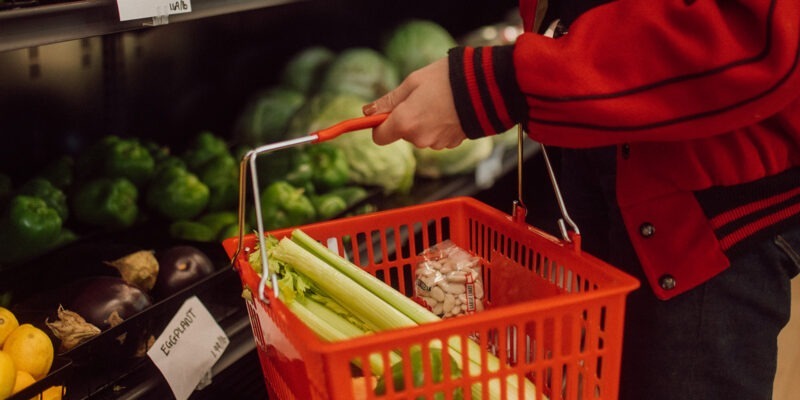
Across Louisiana and Mississippi, families are doing what they’ve always done — working hard, caring for children and elders and supporting neighbors when times are tough.
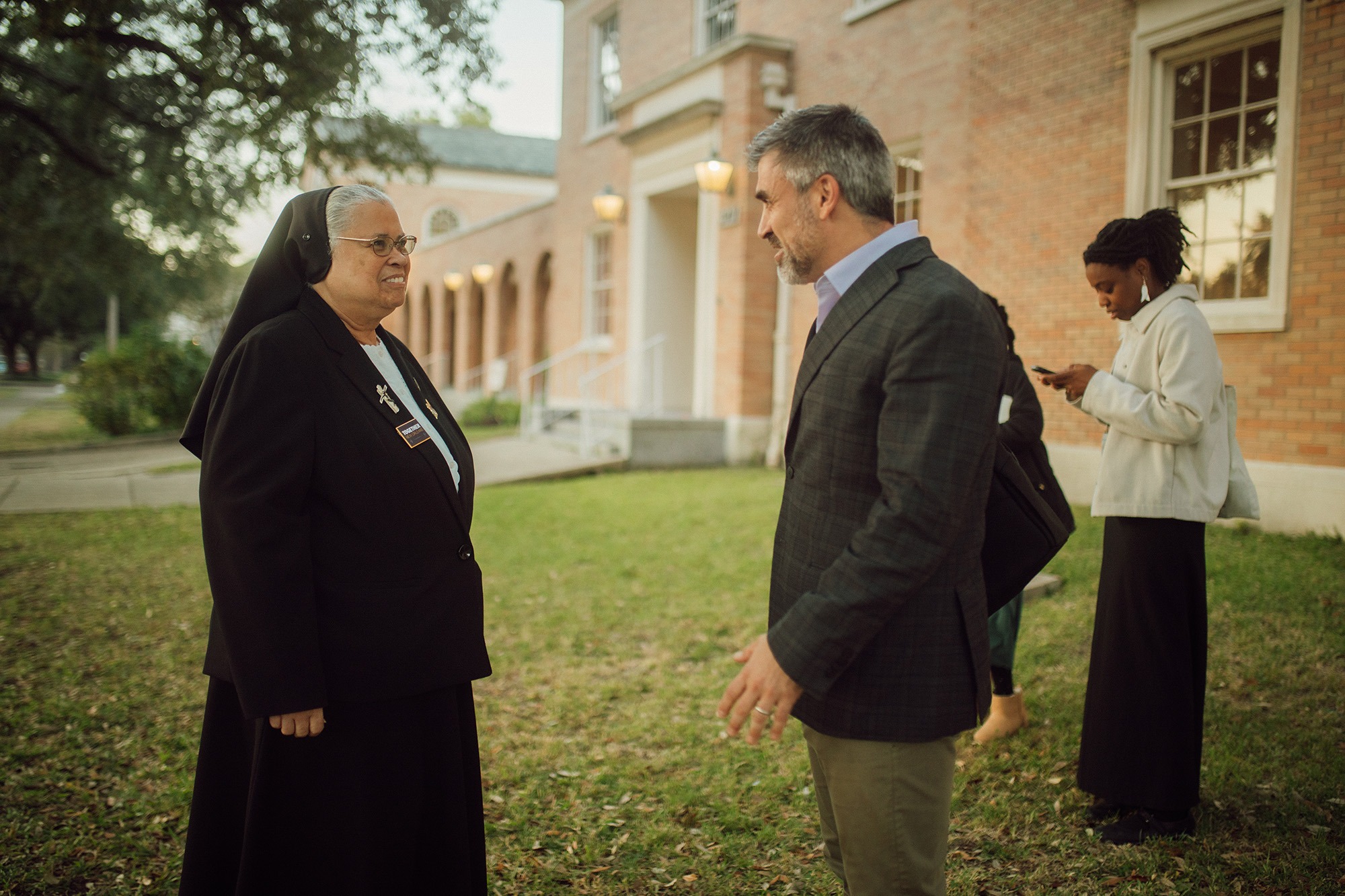
Churches organize food drives. Clinics help families get through confusing paperwork. Nonprofits and neighbors offer guidance and care when programs fall short.
But in a country where people are working hard every day, no one should have to wonder how they will afford the basics — groceries, a doctor’s visit or the care their children need.
Too often, families — including new parents, older adults and veterans — face barriers when they need help most: navigating health coverage, accessing prenatal care or knowing where to turn when food or care is uncertain. When figuring out how to get support is confusing or just not realistic, families postpone care, skip meals or fall behind on bills. Small problems become emergencies. Local charities stretch beyond their limits.
In Louisiana and Mississippi, the stakes are high.
Louisiana had the highest maternal mortality rate in the United States in 2023 — more than double the national average. Mississippi faces among the highest maternal and infant mortality rates in the country and declared a public health emergency in 2025 to address infant mortality. These are not abstract statistics. They reflect whether parents survive childbirth and whether babies reach their first birthday.
When support is simple and reliable, it changes that trajectory.
When support comes at the right time
In New Orleans, Family Connects makes an early home visit from a trained nurse routine, not rare. A nurse checks a baby’s weight, takes a mother’s blood pressure, screens for postpartum depression and connects families to resources like the Supplemental Nutrition Assistance Program (SNAP) and Special Supplemental Nutrition Program for Women, Infants and Children (WIC).
Since 2023, more than 1,500 families have received visits. Participants attend more postpartum checkups, experience fewer repeat hospitalizations and have 28% lower Medicaid spending.
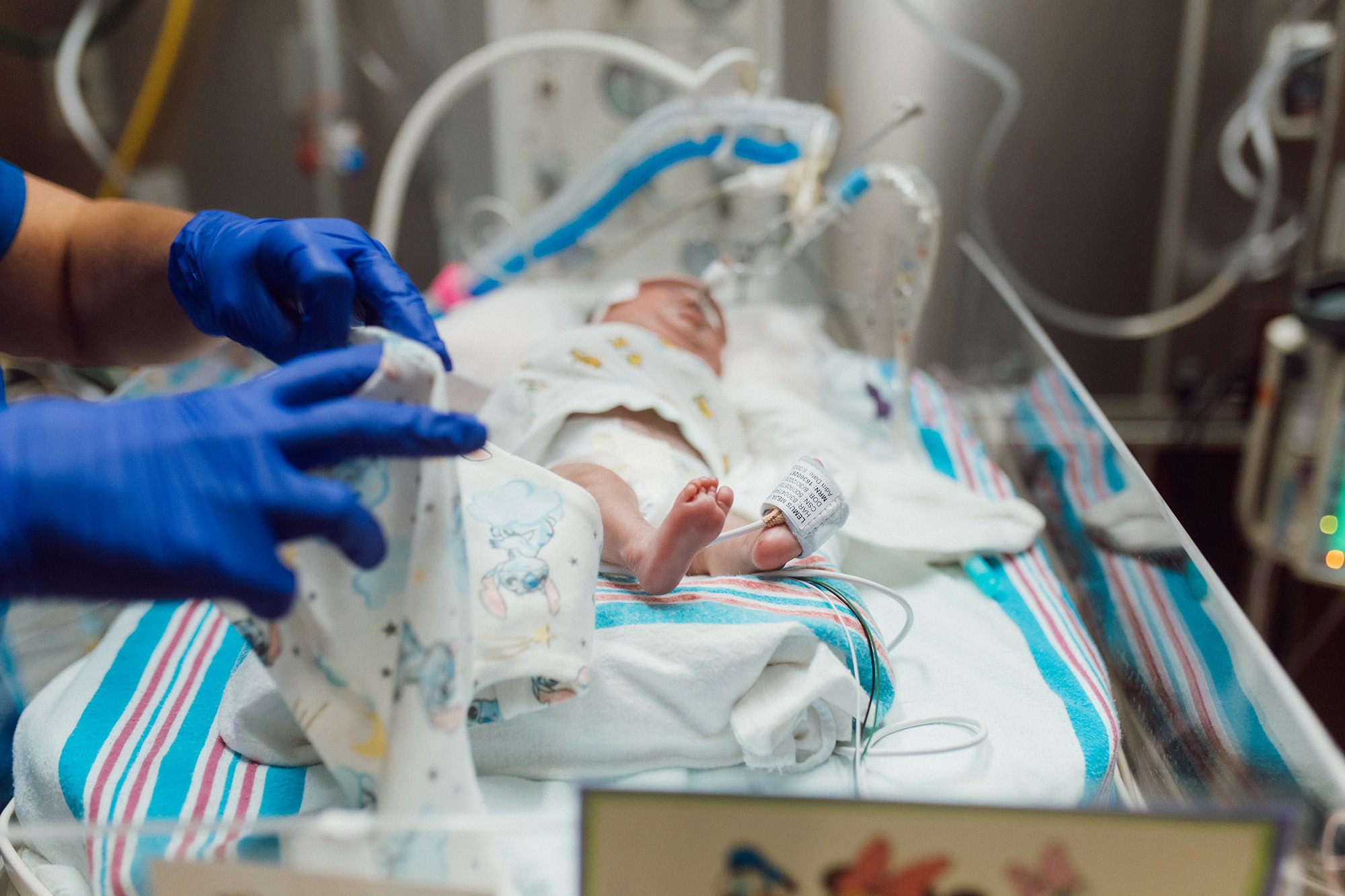
In Mississippi, Delta Health Center, a federally qualified health center serving communities across the Delta, operates a home visitation program led by community health workers. Between 2023 and 2024, the rate of low-birth-weight babies among participating families fell from 15% to 6%, and preterm deliveries dropped from 13% to 3%. Meeting families where they are, with steady support, is changing outcomes.
Reliable access to healthy food matters just as much.
SNAP, a federal program that helps people afford groceries, is a critical lifeline for families across the United States. In Louisiana, roughly one in five families participates. In Mississippi, about one in eight do. More than two-thirds of SNAP participants in both states are in families with children.
These federal dollars are spent locally, supporting grocery stores and small retailers. USDA estimates that every dollar in SNAP generates about $1.50 in economic activity.
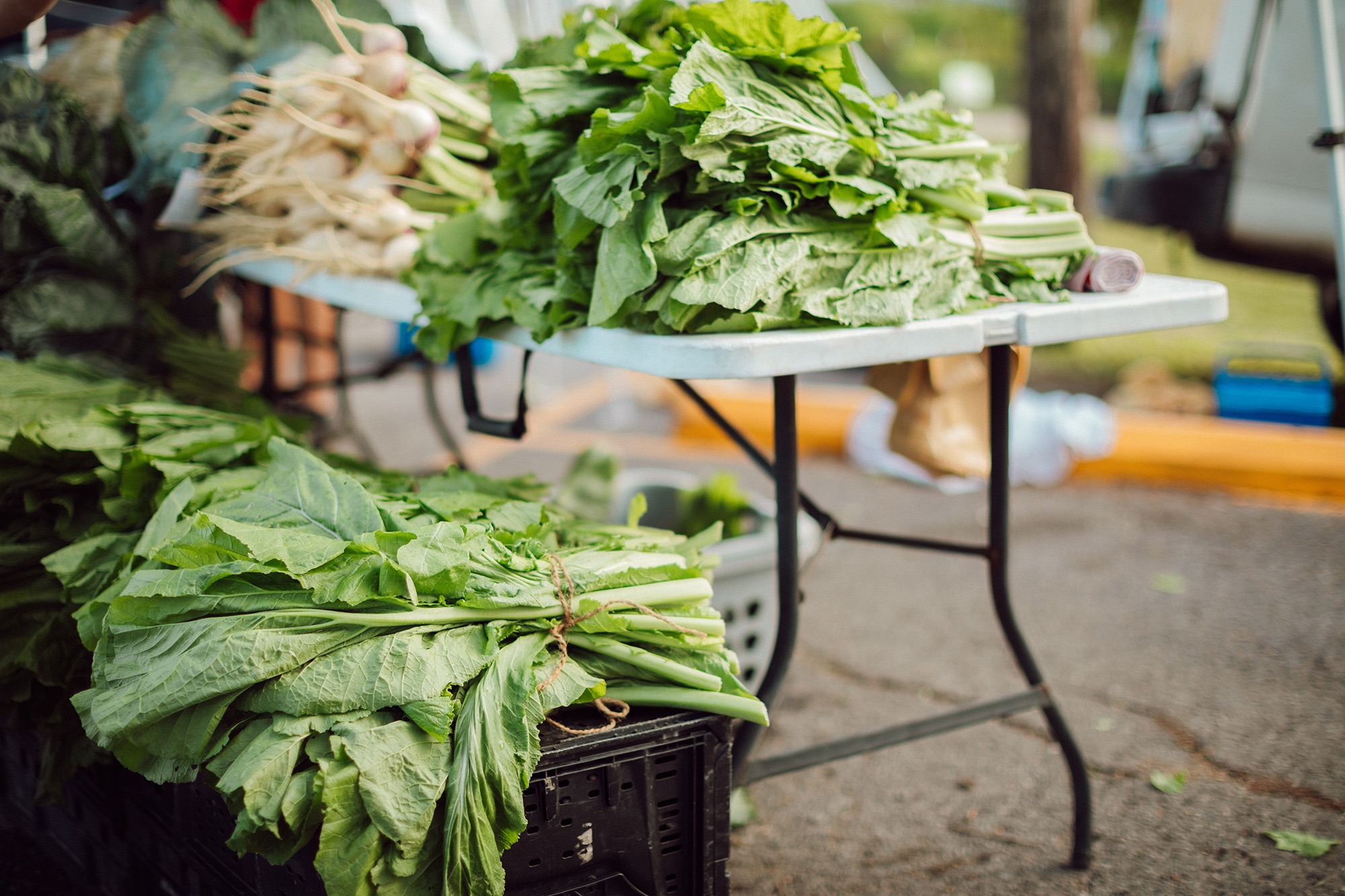
Medicaid provides similar stability. It covers nearly two-thirds of births in Louisiana and more than half in Mississippi, along with roughly half of all children in both states. It enables pregnant mothers to receive care, children to get checkups and seniors to afford medications. It sustains hospitals and clinics in rural towns and city neighborhoods alike.
When families can count on coverage and food assistance, they stay healthier, children are better prepared for school and local businesses can plan with confidence.
When these programs are disrupted, families feel it immediately. So do hospitals, grocery stores and small businesses.
Families are doing their part. Public policy should do its part, too.





Comments