
 By
By 
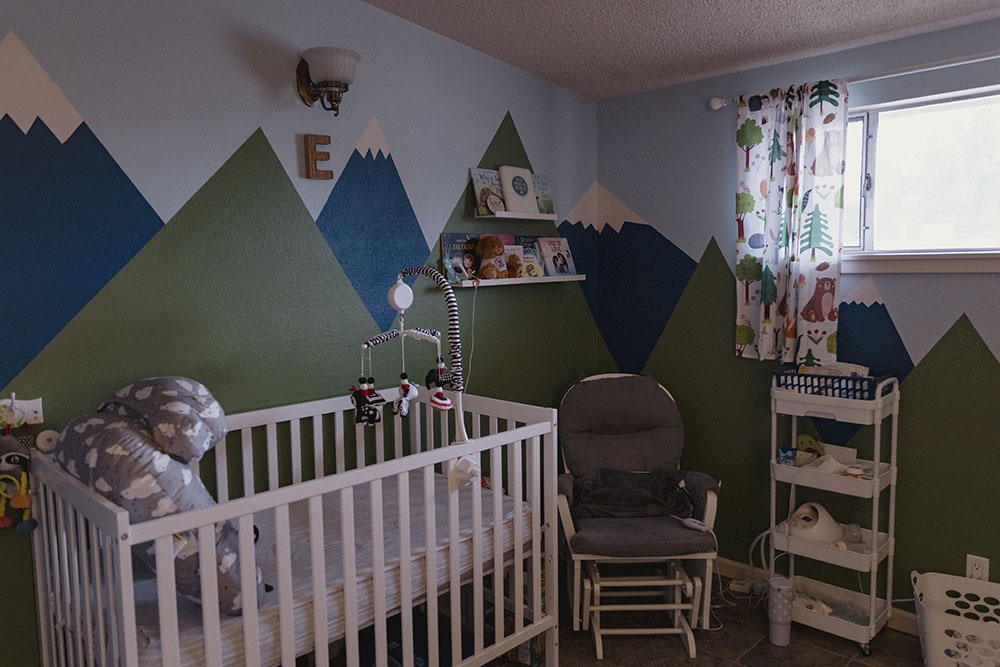
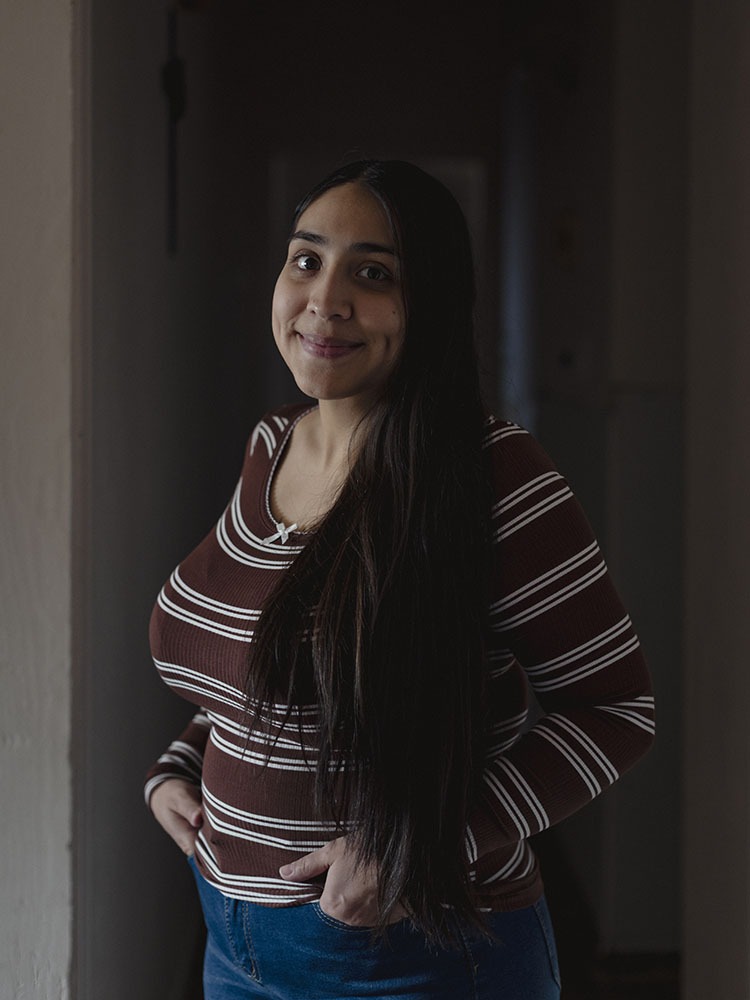
A snow-capped mountain range in bottle green and indigo decorates the walls of Kylene Ramirez’s nursery in Las Cruces, New Mexico. Ramirez sits in a rocker, long dark hair over her shoulders, a dimple waiting to emerge every time she cracks a smile, which is often. She is almost 40 weeks pregnant with her first baby, a boy she’s planning to name Ezekiel Armando — Armando in honor of her late father. Her partner Isaac Camarena’s desk is nestled in the corner across from the crib so the family can be together while Ramirez nurses and Camarena studies to become a surgical assistant. In the far corner, shelves are stocked with children’s books — gifts from Ramirez’s colleagues at the domestic violence shelter where she works as an intake advocate.
The pregnancy came as a shock to Ramirez and Carmenara. Ramirez had spent much of her life thinking she was infertile due to blockages in her fallopian tubes. But after a few weeks of feeling awful in fall 2024, she took a pregnancy test, and the little blue line announced that Ezekiel was on his way. “It was unreal, I was really excited,” Ramirez said. “I had already come to terms with, maybe motherhood wasn’t meant for me. But, being told you are going to be a mom is such an incredible feeling.”
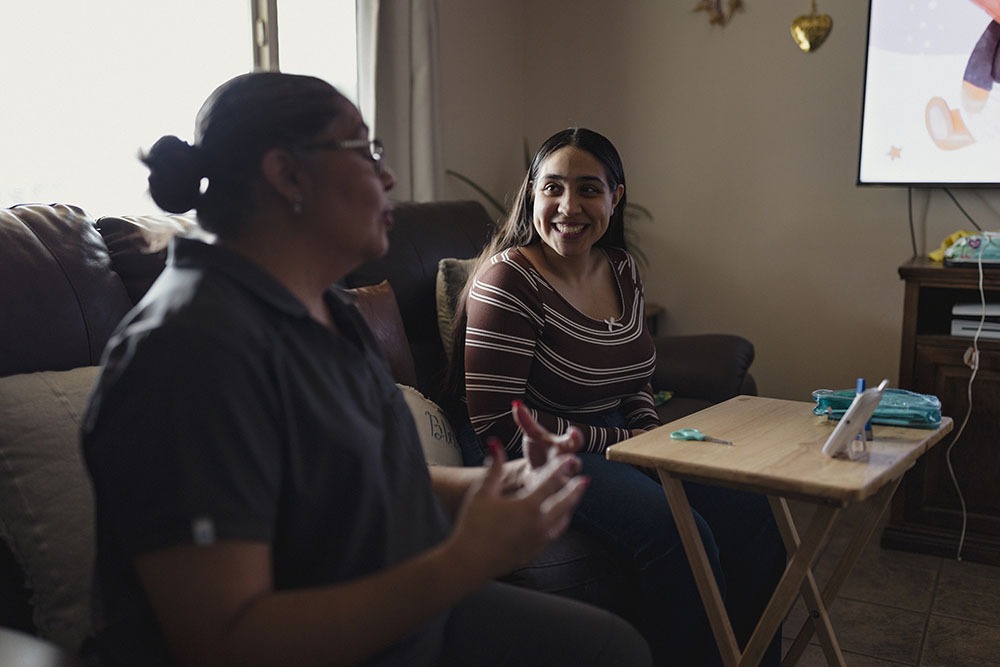
Ramirez knew she wanted to be surrounded by support and encouragement while she brought Ezekiel into the world. When she found her doula, Mary McAllister, a cheerful and grounded former child care center owner, she knew she was in good hands. But she didn’t know how critically important those hands would become. At Ramirez’s 20-week ultrasound, the family discovered Ezekiel would be born with a cleft lip and palate, a diagnosis that can add extra care, uncertainty and stress to the already vulnerable postpartum period. Ezekiel would need a feeding specialist, a speech therapist, assistance from a lactation specialist and major surgery by the time he reached 4 months old. Ezekiel’s diagnosis left Ramirez grappling with feelings of anxiety and guilt.
“I think it’s really difficult, when you hear that something’s wrong with your baby, to not blame yourself,” Ramirez reflected. “But Mary helped a lot with, ‘Your baby is still perfect. You are going to get through this. There’s help out there. Don’t worry about this.’” Along with steadfast emotional support, McAllister helped connect Ramirez to the range of services she would need to support Ezekiel’s development.
Expanding access
Had she become pregnant a year earlier, Ramirez, a Medicaid recipient, may not have been able to afford a doula. In New Mexico, Medicaid did not cover birth support workers until the passage of HB 214, the Doula Services and Credentialing Act, in early 2025. Melissa Lopez, a doula, birth work advocate and director of the New Mexico Doula Association, credits this policy victory to a yearslong push by a broad coalition of New Mexico nonprofit organizations.
Although New Mexico now boasts the nation’s most stable coverage for full-spectrum doula care, (including support for pregnancy, birth, the postpartum period and pregnancy loss), federal cuts to Medicaid are introducing a new layer of uncertainty. In July 2025, Congress passed a budget that authorized $800 billion in cuts to Medicaid over the next 10 years. It’s unclear how federal cuts will impact New Mexico’s new expansion of doula services for Medicaid patients, but Lopez is cautiously optimistic. “New Mexico did a lot to try and protect the well-being of communities in anticipating these types of changes,” she said.
Whatever happens on the policy front, Lopez-Sullivan anticipates increased demand for doulas. Today, doulas are more likely to serve as first responders in rural communities and communities where hospital funding is cut. Doulas also provide critical support for pregnant people using substances, especially those in rural areas, who may avoid seeking prenatal or birth care for fear of being reported to authorities. In these kinds of situations, doulas play a crucial role in helping people feel safe and supported enough to receive medical care, Lopez-Sullivan said.
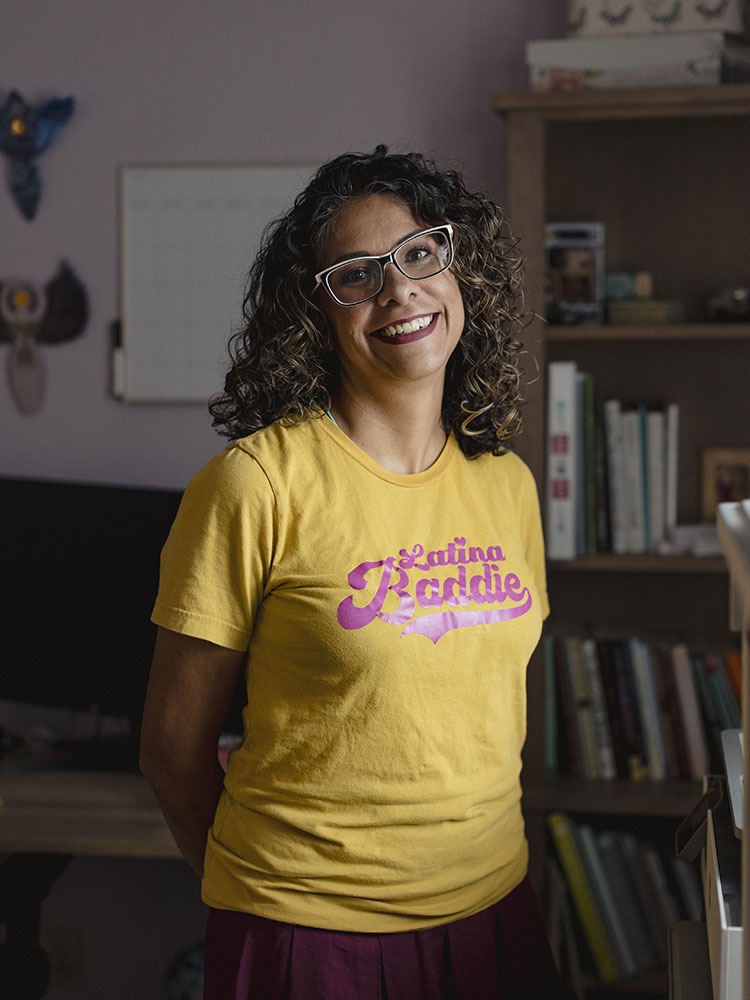
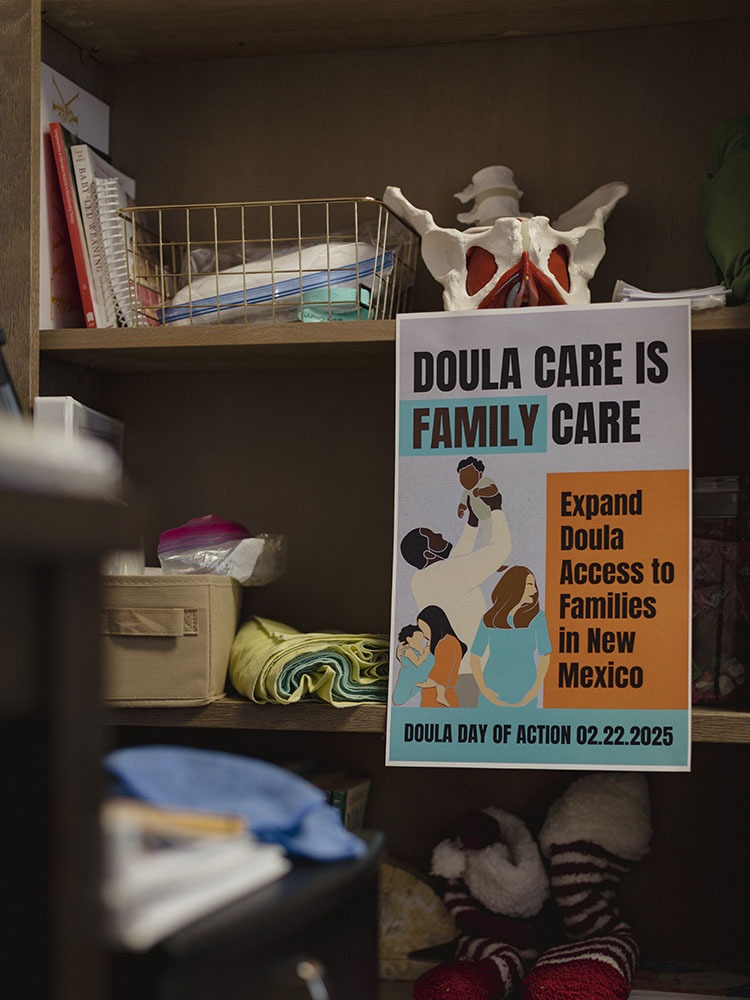
Lopez-Sullivan views doula care as an extension of community work. “Doulas are connectors,” she said. “We listen to mothers, we believe in them, and we will stand by and advocate for them so that their experience can be as supported as possible. We connect so many disparate sectors of healthcare to these families. It’s really about centering the holistic needs of this family from top to bottom, not just to survive, but to thrive.”
From individuals to a family unit
The temperature is 94 degrees and climbing, according to McAllister’s car dashboard, when she answers the phone with a bright and sparkly, “Hellooo! This is Doula Mary!” She’s on her way to drop off bottles — for some baby calves a few farms over from her home in Las Cruces. Along with human babies, she also helps deliver Boer goats. “I love it all,” she said, laughing. “I’ve been called a birth junkie.”
Doulas often are perceived as trendy or as a luxury reserved for wealthy families, but McAllister feels strongly that doula care is a basic right. Before New Mexico’s legislature passed Medicaid coverage for doula care, McAllister would help her clients afford her services through a combination of private pay, insurance and pro bono births. With the expanded coverage, more families can now access the critical care she provides, and doulas like McAllister are compensated with more sustainable rates.
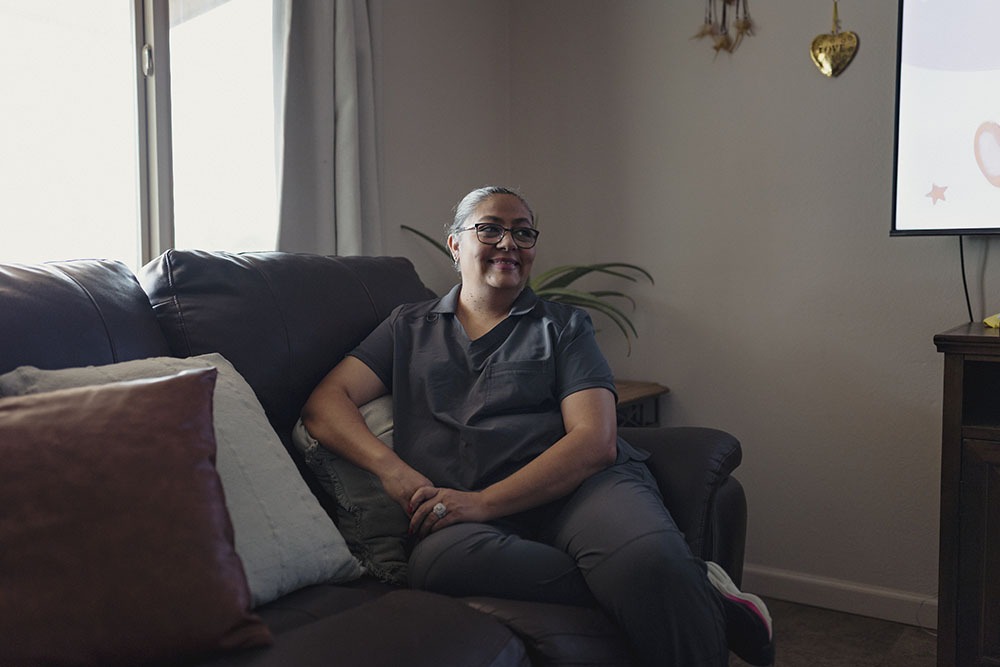
When McAllister was called away to another birth on the morning of Ramirez’s induction, Lopez-Sullivan, a doula herself, stepped in to support the family. Although Lopez-Sullivan never met Ramirez, during the birthing process she advocated for her, applied counterpressure during painful contractions and helped her and Camarena navigate a series of quick medical decisions. “The energy was intense,” Lopez-Sullivan recalled. “I watched them evolve from being separate individuals to being a family unit on the other side. They both felt empowered.” Ezekiel would spend 10 days in the NICU before Ramirez and Camarena took him home to his nursery decorated with books and colorful mountains and a cozy rocking chair.
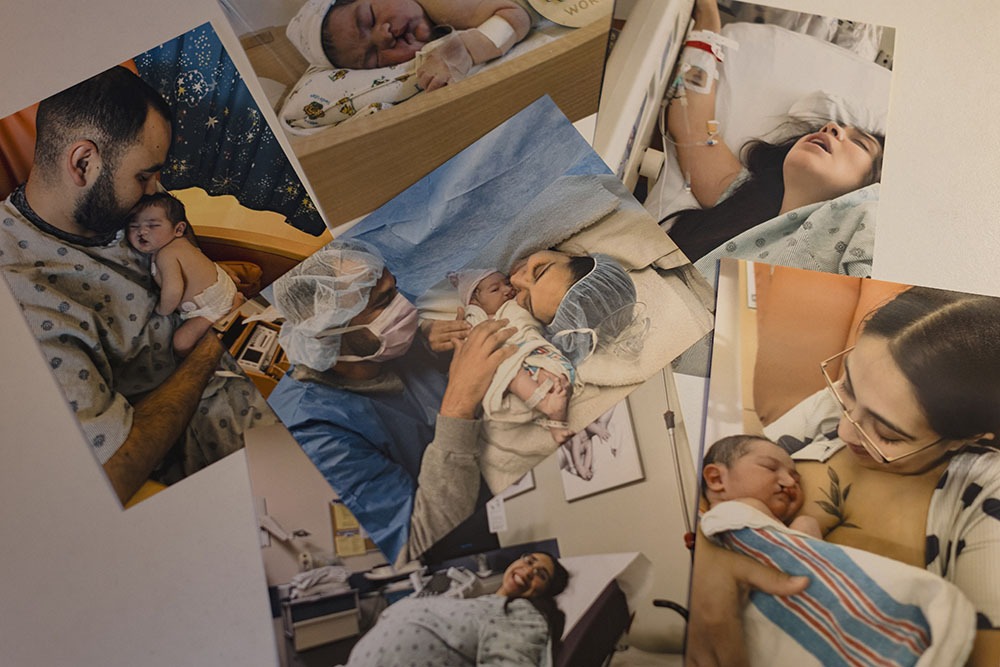
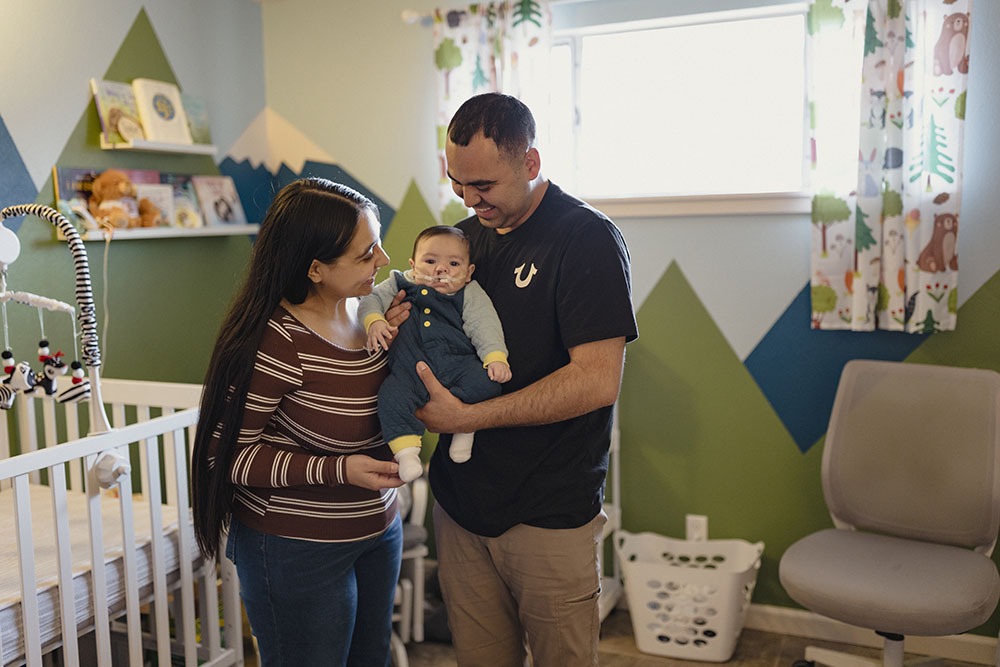
After the birth, McAllister continued to support the family through the post-partum phase, assisting with feedings, dishes and diapers — giving Ramirez much-needed space to rest and relax. Ezekiel’s cleft lip and palate make him more prone to aspirating when he spits up or throws up, a fact that has made Ramirez feel like she has to have eyes on him at all times. “It’s pretty stressful — especially when I’m alone,” she said.
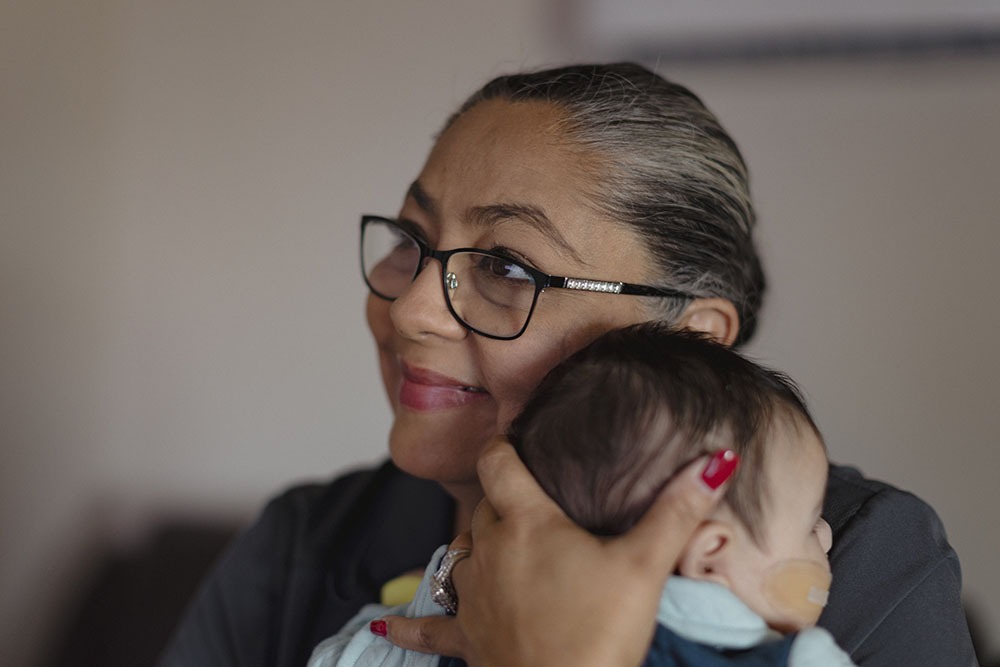
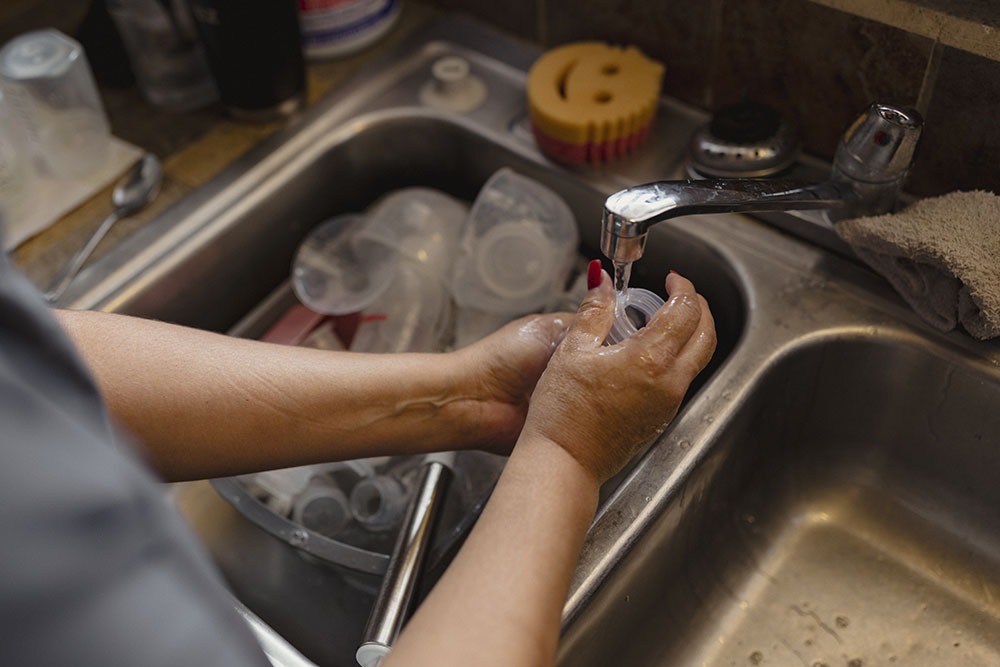
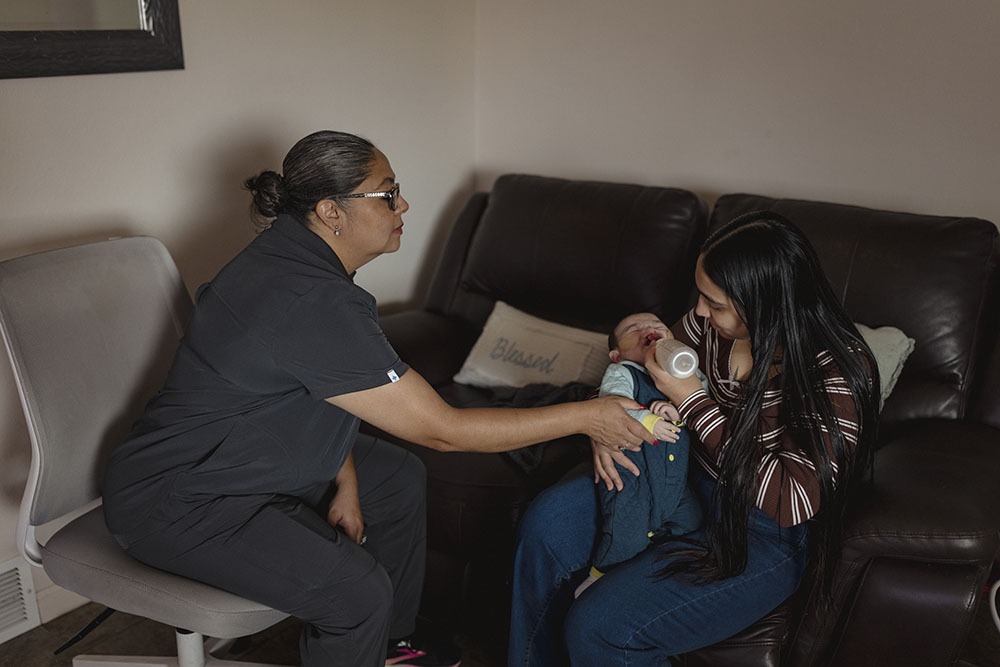
“I don’t know how I would have gotten through this without her,” Ramirez said. “Motherhood is so special, and I never expected it to be so hard and rewarding at the same time. Maybe in our culture we’re told we’re supposed to do it on our own, but it really does take a village.”



Comments