 By
By 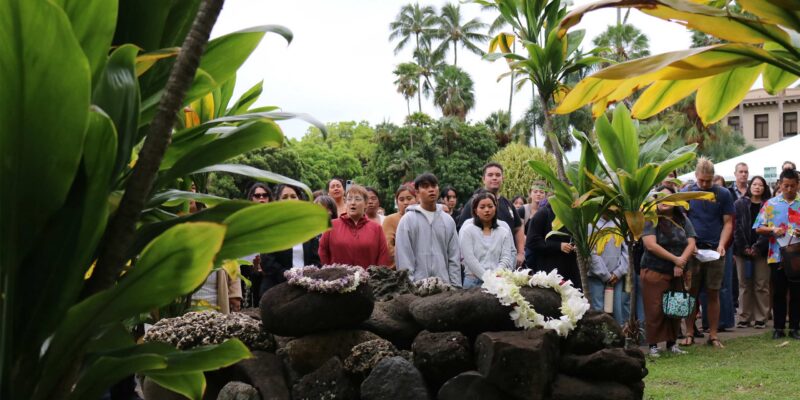
This year, we honored the tenth annual National Day of Racial Healing, a milestone year with a milestone achievement: for the first time, events took place in all 50 states and Washington, D.C.
Communities came together to celebrate in many vibrant and culturally-relevant ways. From youth art displays to drum-filled dance floors, these snapshots offer a small glimpse into how communities made space for healing this year.
Community on display in Olympia
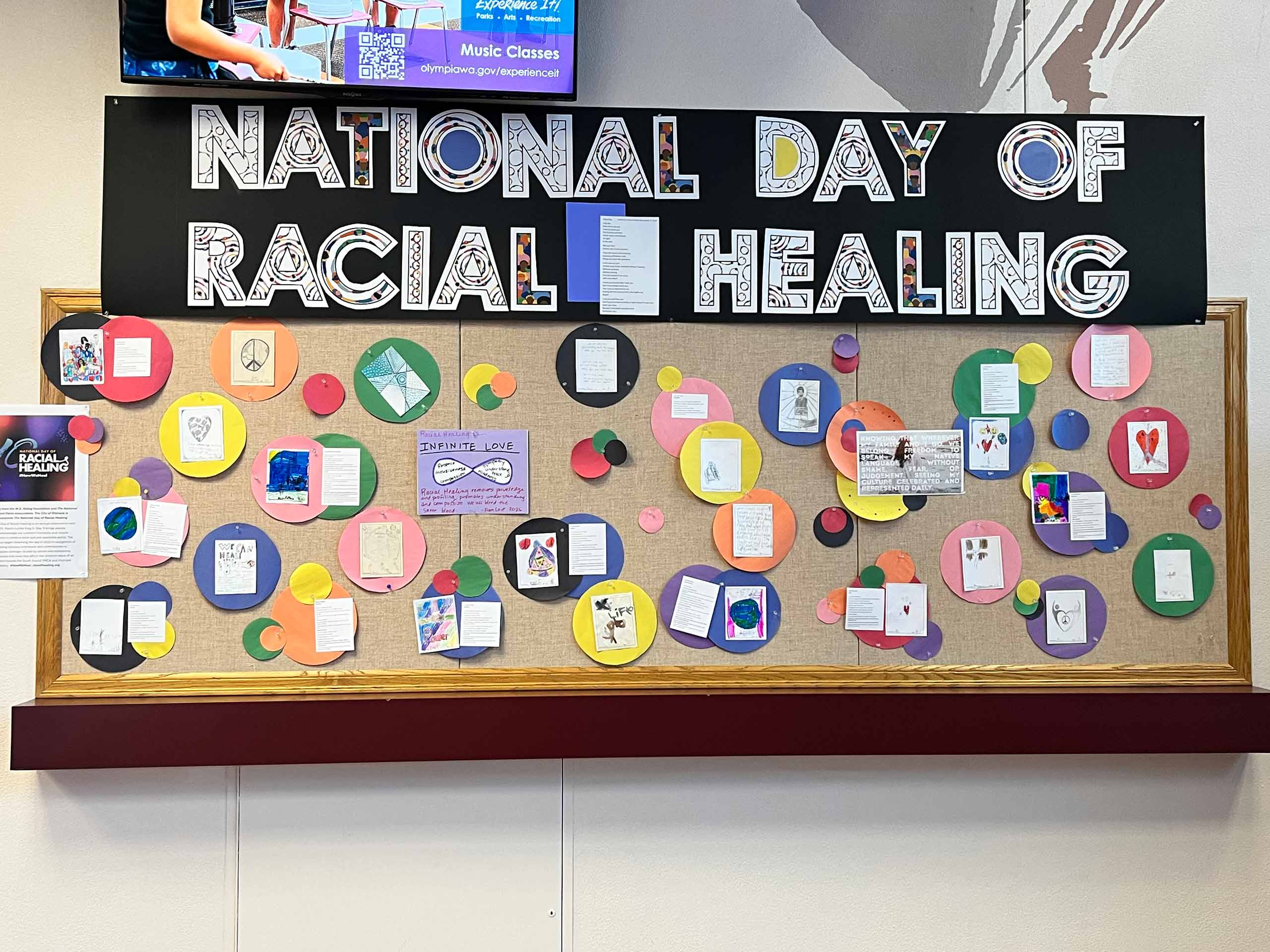
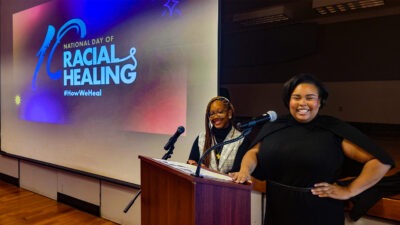
In Olympia, Washington, residents creatively reflected on healing as the City of Olympia hosted a National Day of Racial Healing community art installation at Olympia City Hall and a local community center. Youth submitted artwork and poetry responding to the question, “What does racial healing look like?”
“I was very moved by many of the pieces that came in from young students who have such love for community,” said Olivia Salazar de Breaux, Culture and Belonging Manager at the City of Olympia Parks, Arts & Recreation. “Their hope for a world without racism is a beautiful vision. I walk past that display every day with a full heart.”
In addition, attendees of the City of Olympia’s inaugural Community Conversation connected over stories from community leaders, music and food. They also provided a “quiet room” with two licensed social workers so community members could engage in healing practices and reflection.
To Salazar de Breaux, racial healing is in our ability to see and honor each other’s humanity. The event provided an opportunity for people who had never met to have frank, open discussions about race, racism and healing.
Healing through dance and rhythm in Boston
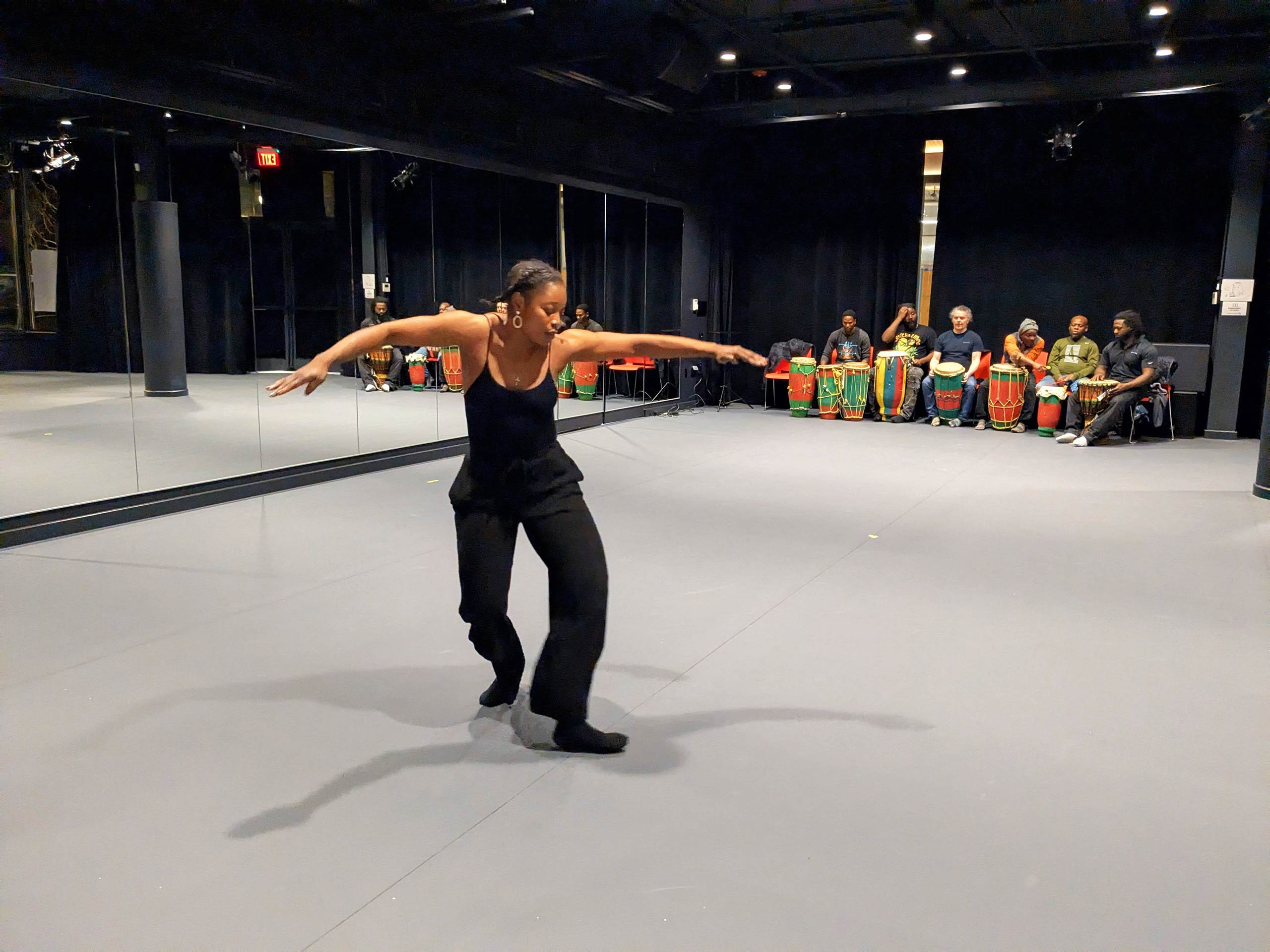
In Massachusetts, Jean Appolon Expressions (JAE), a dance center in Boston’s Nubian Square, celebrated the National Day of Racial Healing with an invitation to enter the “lakou,” a traditional Haitian communal space where, for many like JAE executive director Meghan McGrath, art and healing are inseparable.
“In Haitian culture, the drum is the heartbeat of the community. On this day, those rhythms served a specific purpose: to vibrate through the floorboards and into the bodies of everyone present, shaking loose the stress and trauma that systemic racism leaves behind,” McGrath said.
People who attended the event shared that the vibration helped lower their heart rates and “quiet the noise” of daily stressors. The live drumming of the Tanbou, the national instrument of Haiti, cultivated a form of somatic healing, releasing tension and trauma from the body through sound.
In Honolulu, relationships are the heart of healing
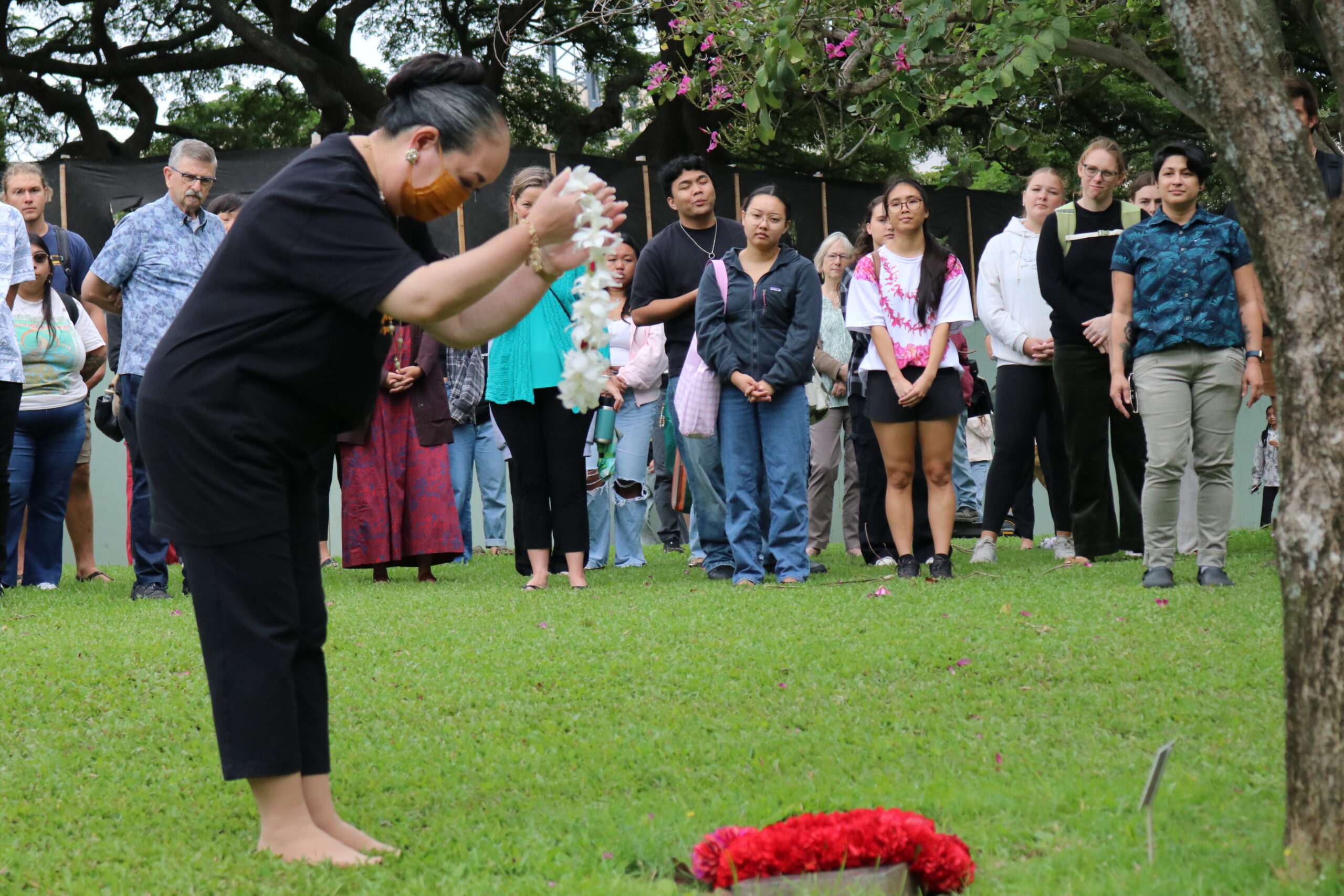
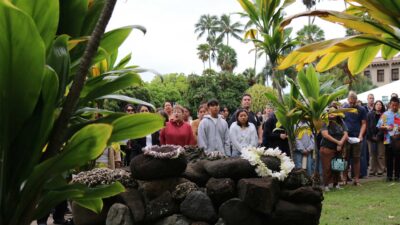
The University of Hawai‘i at Mānoa gathered around healing through ceremony, reflection and collective visioning during the two-day Hawai‘i Ku‘u Home Aloha Summit hosted by the Native Hawaiian Place of Learning Advancement Office. The annual summit focuses on conversation and learning to deepen participants’ understanding of Hawai‘i through the cultivation of pilina, a practice of building relationships and connections with ancestors, each other and the Earth, or ‘āina.
“This work is what gives our entire existence as an institution meaning and value. It’s what grounds us, connects us and makes us resilient,” one participant shared.
The community celebrates the National Day of Racial Healing and the summit together each year marking the overthrow of the Hawaiian Kingdom and commemorating Dr. Martin Luther King Jr. Day.
“We hone in on [Dr. King’s] invitation to dream and build a beloved community,” said Kaiwipunikauikawēkiu “Punihei” Lipe, director of the Hawai‘i Papa o ke Ao at the University of Hawai‘i at Mānoa. “And through the National Day of Racial Healing, we invite people to envision the community they want to build for their children and grandchildren.”
“Using the framing that comes from weaving these three things,” Lipe added, “we explore Hawai‘i’s past, Hawai‘i’s present and the futures we hope for Hawai‘i.”
Uniting around music, movement and community in Las Cruces
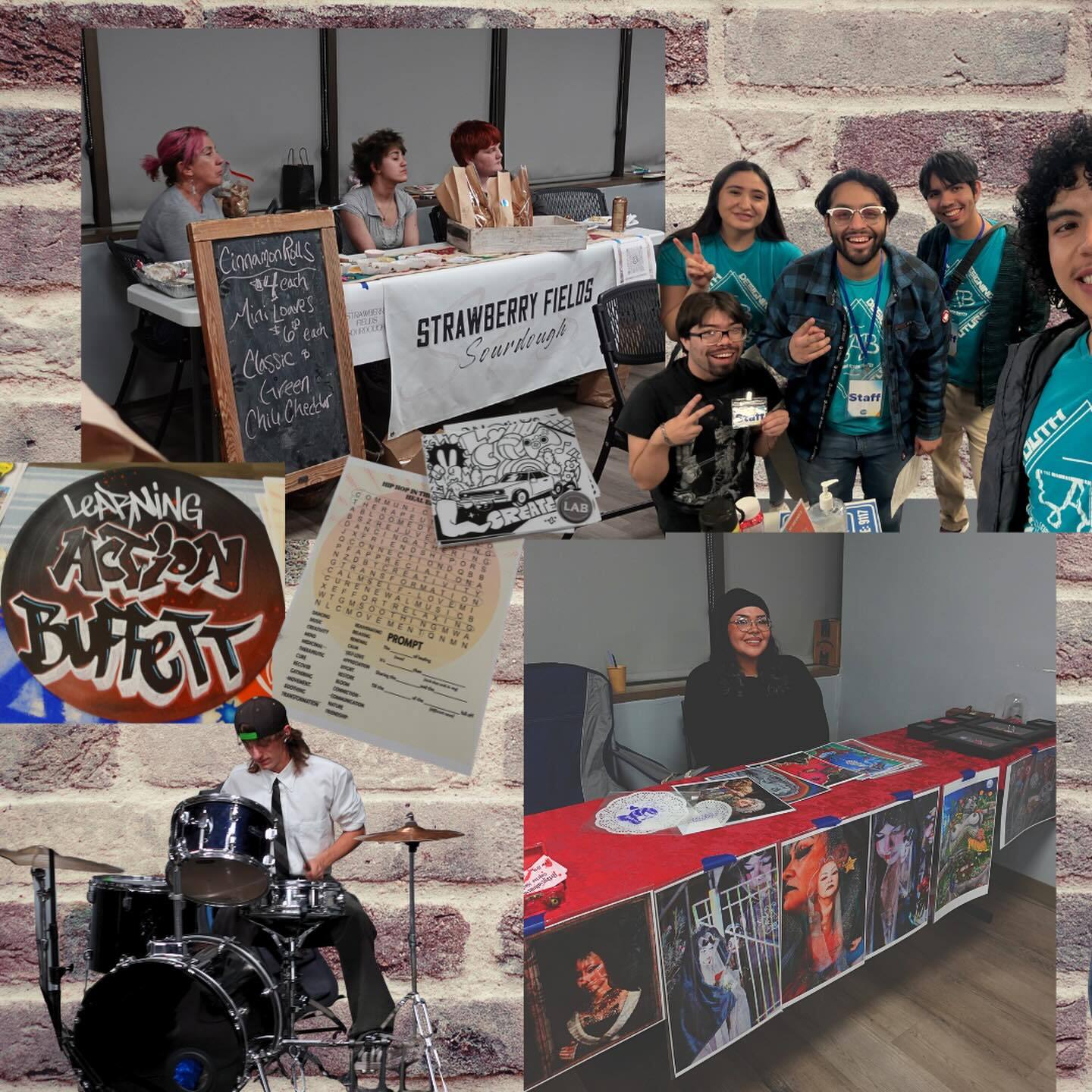
From dancing and drum circles to quiet moments, the Youth Bazar in Las Cruces, New Mexico showed that healing happens in a myriad of ways.
At the bazar, people danced to Colombian cumbia fusion and rock, shared guava cake, supported local vendors and enjoyed the comfort of being together in community.
The gathering also included quieter moments, with neighbors reconnecting after long stretches of busyness or past division, choosing respect, presence and subtle healing just by being in the same space together.
Service and storytelling in Baton Rouge
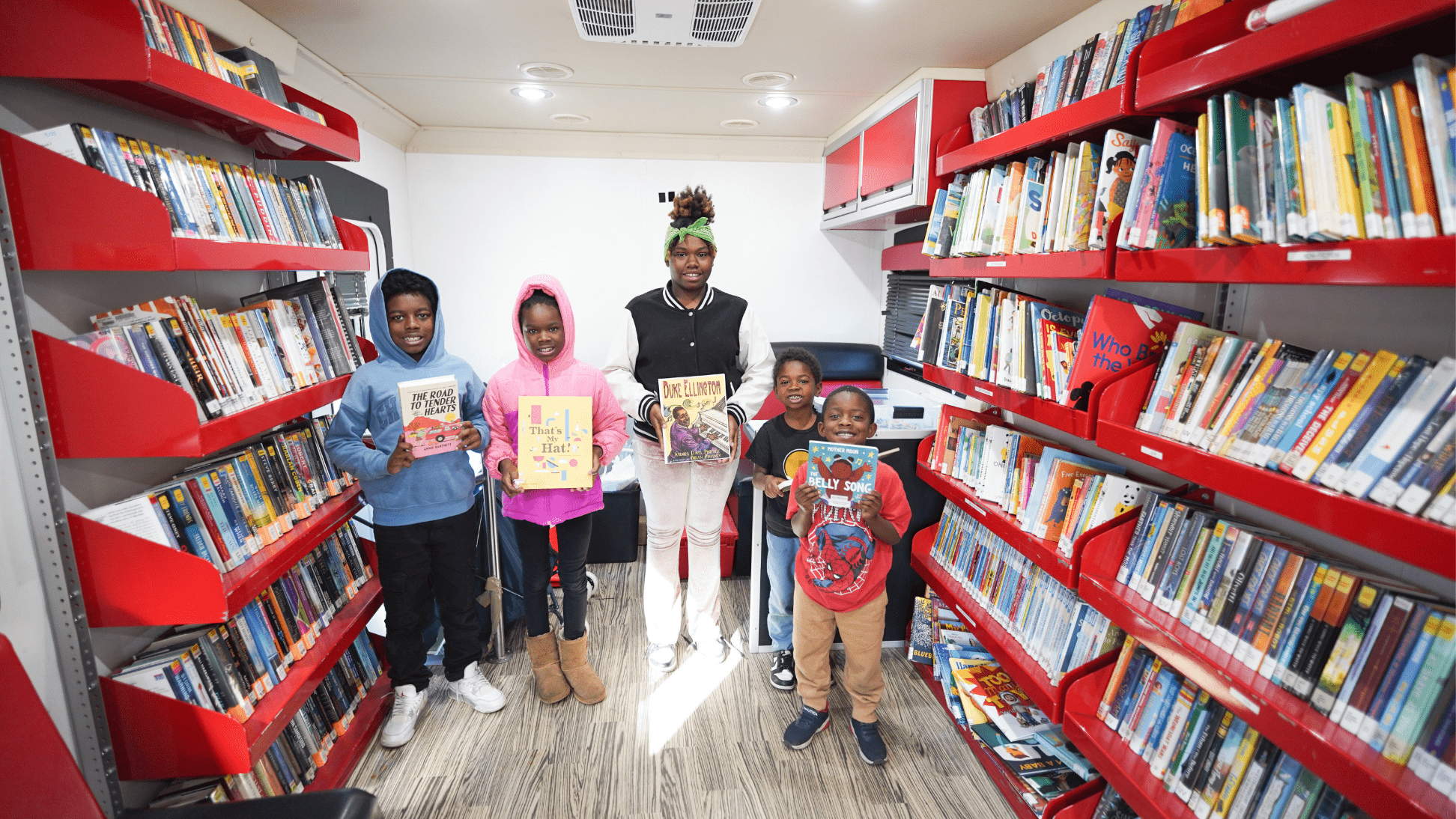
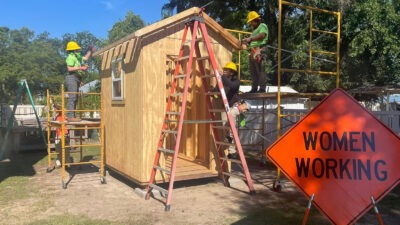
In Baton Rouge, The Walls Project brought together 2,000 Baton Rouge neighbors for Re-Activate: MLK Fest, a three-day celebration of service, storytelling and public art.
The celebration consisted of volunteering activities like elder home repair, litter cleanup and beautification projects. There were also moments of healing through creative expression as participants designed community murals and living art galleries.
For the city, the festival offers a reminder that healing happens when communities come together, not just to speak about change, but to build it side by side.
Comments