 By
By Listen on all audio platforms


episode summary
What does it take to make health care truly accessible for every New Mexican? In this episode of “Pass the Sopapillas,” host Manuel González explores health equity, maternal and child health and the power of community-led solutions with four leaders working to change how care is delivered across the state.
Abuko Estrada, health care director at the New Mexico Center on Law and Poverty, and Adriann Barboa, director of strategic partnerships at Strong Families NM, discuss the barriers families face when navigating public and private health coverage, the role lived experience plays in shaping policy and New Mexico’s movement toward more affordable and universal health care. They also examine how the Health Care Affordability Fund is helping close coverage gaps and why listening directly to families has been central to their advocacy.
Corrine Sanchez, Ph.D., executive director of Tewa Women United, and Jacqueline Thomas, founder and CEO of Vet-HER-an Enterprises LLC, turn the conversation toward maternal health. They discuss racial and geographic disparities, the importance of culturally responsive care and the role of doulas, midwives, families and community health workers in supporting birthing people. From rural access to traditional knowledge, they envision a system in which every family receives care rooted in dignity, compassion and cultural integrity.
Together, the guests make the case that health equity is not only about coverage. It is about centering community voice, removing barriers and creating the conditions for New Mexico families to thrive.
It really is about everyone having an equal shot at being their healthiest selves.
Digging Deeper: Reflection Questions
In true New Mexico fashion, we invite you to a sobremesa — a traditional space for conversation and sharing, gathered around a table of your choice.
This conversation is an invitation.
There are no right answers — just stories, reflections and listening.
If you can, pass something around the table (a napkin, a candle, a sopapilla).
Whoever holds it speaks.
- When you think about a time you felt truly cared for, what made you feel that way?
- What wisdom about health and healing have you learned from your family or community?
Ask around the table:
- Having health coverage does not always mean having access to care. What barriers can stand between a family and the care they need?
- For new and expecting parents, what does it mean to have care that respects culture, tradition and the choices families make?
Ask around the table:
- What traditions, knowledge and community strengths should we carry forward as we imagine the future of health care in New Mexico?
- If you could make one wish for the health and well-being of New Mexico families, what would it be?
- Thank everyone for sharing and remember:
- Health equity is about more than having a health care card.
- It is about access, trust, dignity and being seen as a whole person.
- When we listen to families and honor the knowledge within our communities, we can build care that works for everyone.
- A healthier New Mexico begins when every family has the opportunity to thrive.
Episode Guests
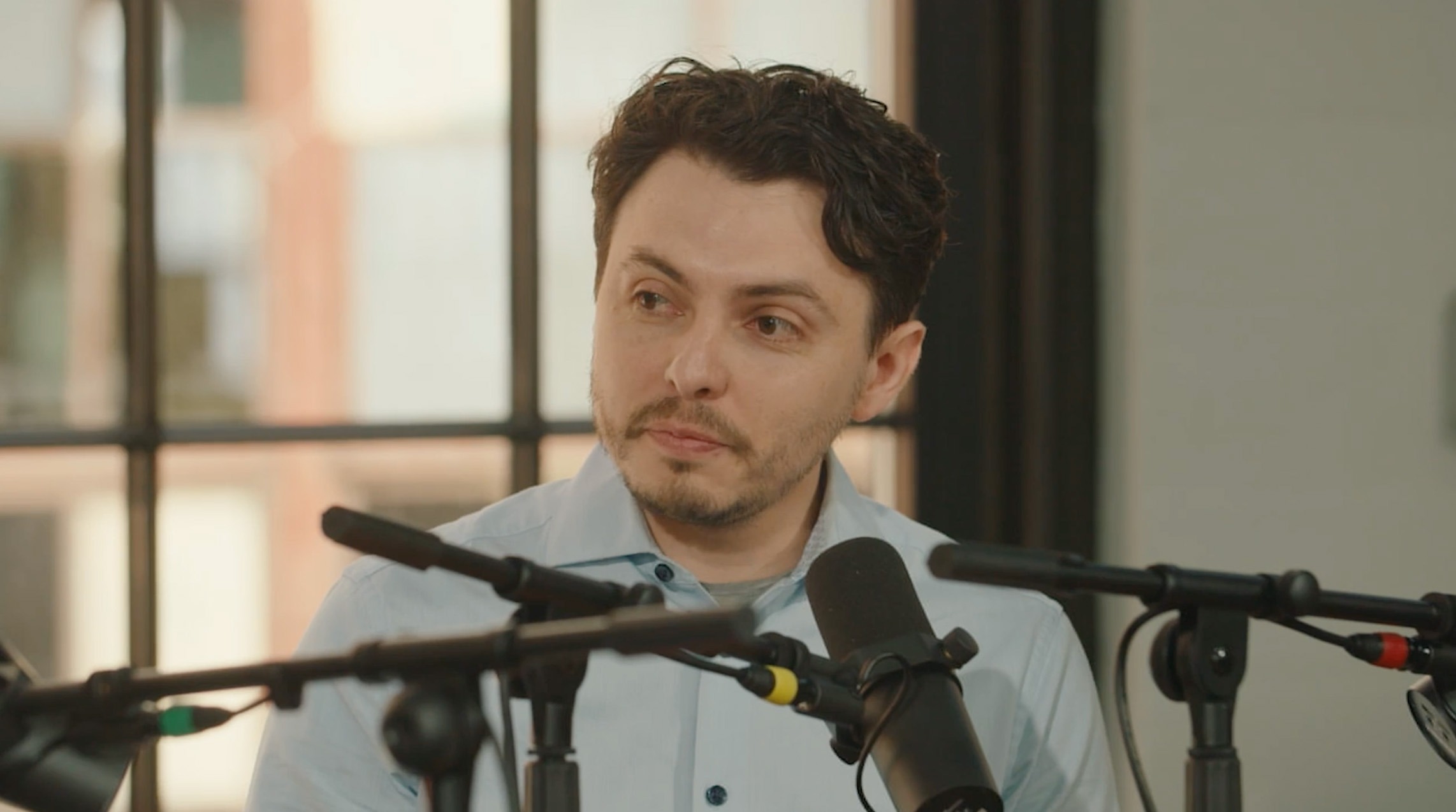
Abuko Estrada
Healthcare Director, New Mexico Center on Law and Poverty
Abuko Estrada is a born-and-raised Burqueño and the healthcare director at the New Mexico Center on Law and Poverty, where he leads strategic efforts to advance access to affordable, high-quality health care. He brings extensive experience across state and federal health policy roles, including playing a key role in developing New Mexico’s Health Care Affordability Fund. His work centers on strengthening coverage systems and reducing barriers to care for New Mexican including playing a key role in developing New Mexico’s Health Care Affordability Fund. His work centers on strengthening coverage systems and reducing barriers to care for New Mexicans.
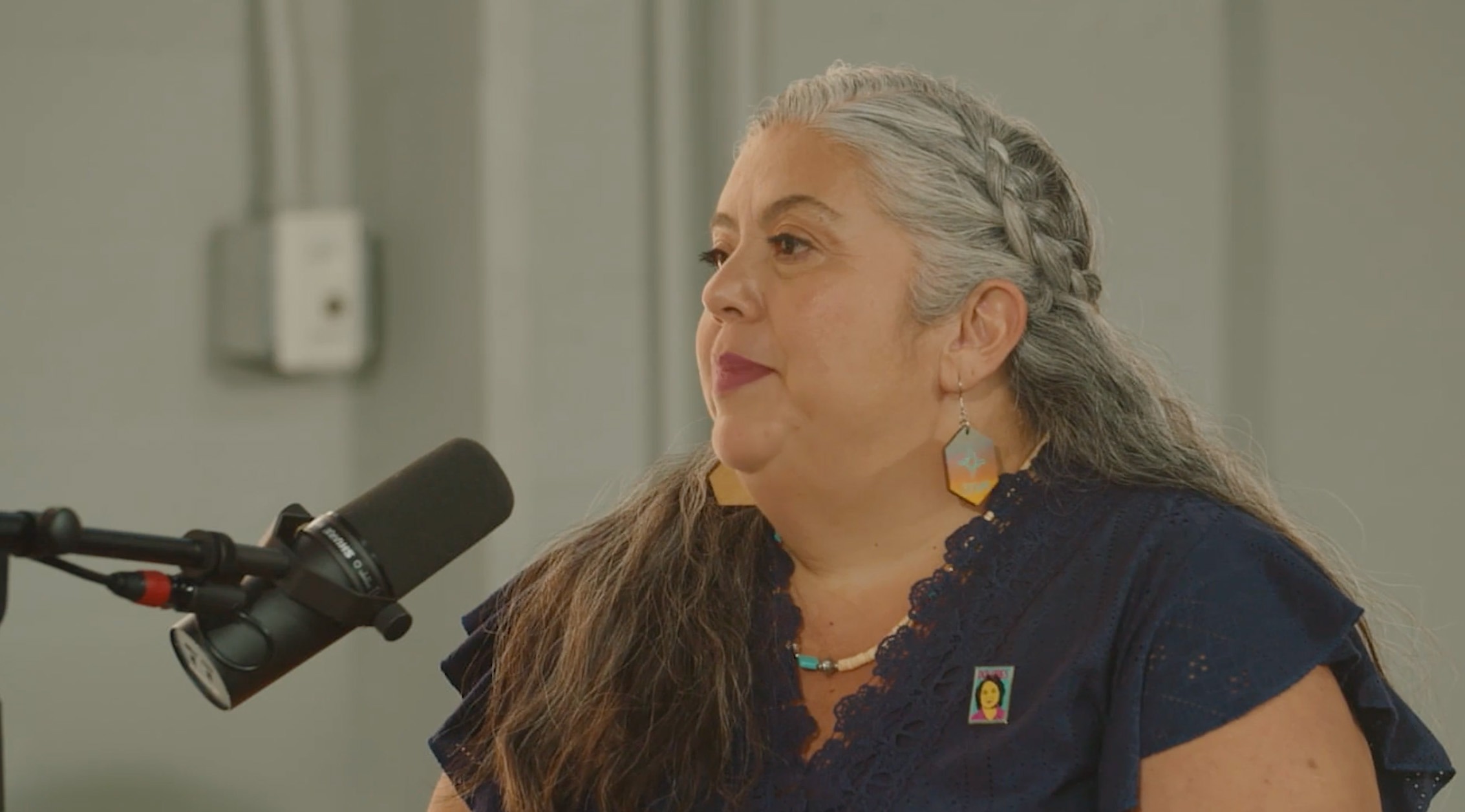
Adriann Barboa
Director of Strategic Partnerships, Strong Families NM
Adriann Barboa is a community organizer, a mother of two and a grandmother who currently serves as director of strategic partnerships for Strong Families. Barboa leads statewide efforts to advance reproductive justice and family-centered policy. Her work focuses on ensuring that all families — especially those most affected by systemic inequities — have access to health care, economic stability and the ability to make decisions about their own lives. Through her leadership, Strong Families has become a key voice in advancing policies related to abortion access, paid family leave, child care and broader support for working families.
Barboa is widely recognized for her coalition-building and community-driven approach, bringing together advocates, service providers and residents affected by these issues to shape policy solutions rooted in lived experience. Barboa also serves as Bernalillo County commissioner for District 3.
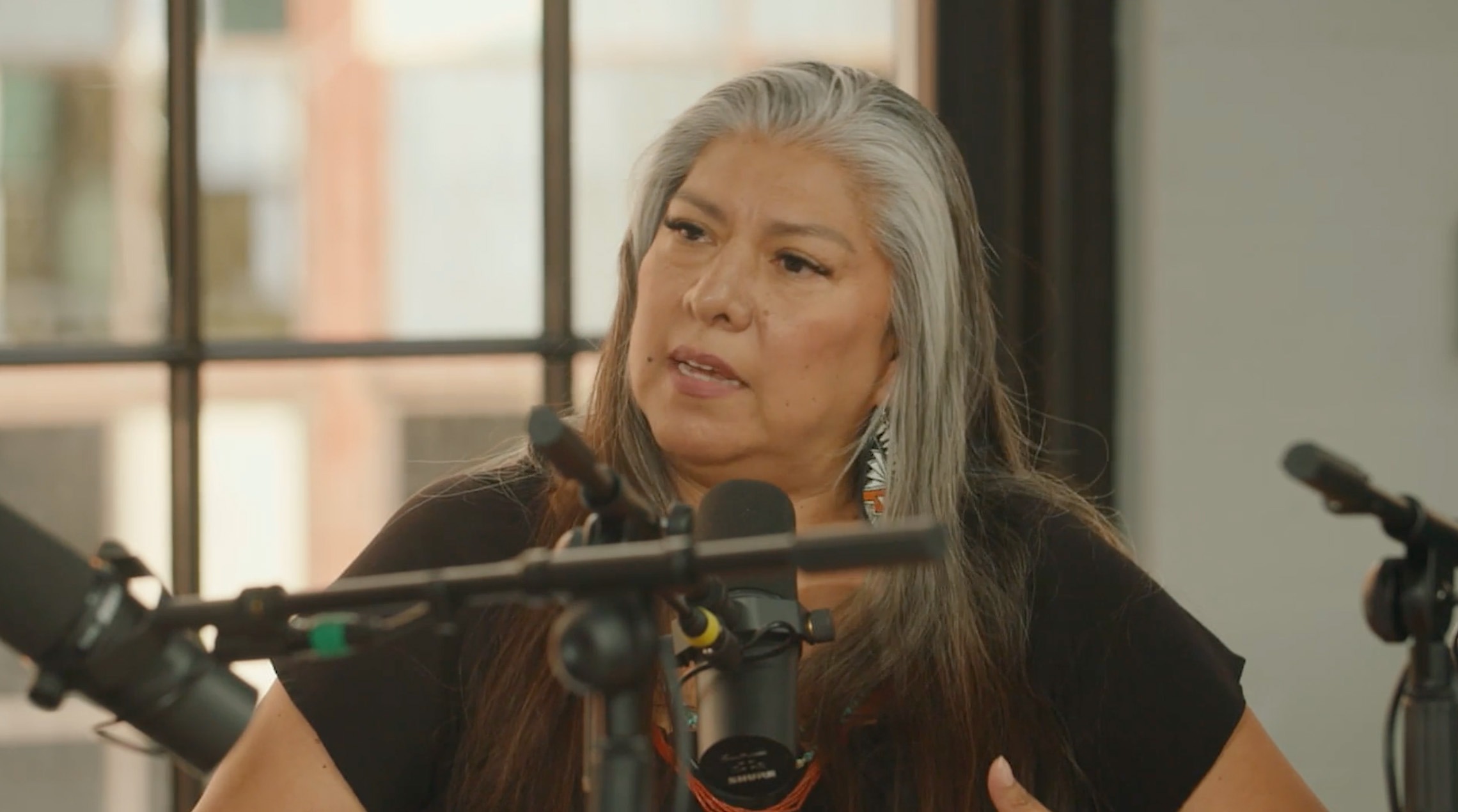
Dr. Corrine Sanchez
Executive Director, Tewa Women United
Dr. Corrine Sanchez is a Tewa leader, educator and executive director of Tewa Women United (TWU), a Northern New Mexico nonprofit dedicated to advancing Indigenous women’s leadership, reproductive justice, environmental health and cultural resilience. Through her work, Sanchez has helped guide TWU’s community-based programs that integrate traditional knowledge with advocacy, including initiatives focused on maternal and child health, environmental justice and healing-centered approaches to violence prevention. Her leadership reflects a commitment to restoring Indigenous lifeways while addressing systemic inequities that affect Native families and communities.
Sanchez’s work is grounded in a holistic vision of community well-being that centers family, culture and collective responsibility — values that strongly resonate across New Mexico communities. She has been a leading voice in statewide and national efforts to advance reproductive justice and Indigenous rights, emphasizing solutions rooted in community knowledge and long-term systems change. Under her leadership, Tewa Women United has become a model for culturally grounded advocacy, demonstrating how community-driven approaches can strengthen families, expand opportunity and support healthier futures for the next generation.
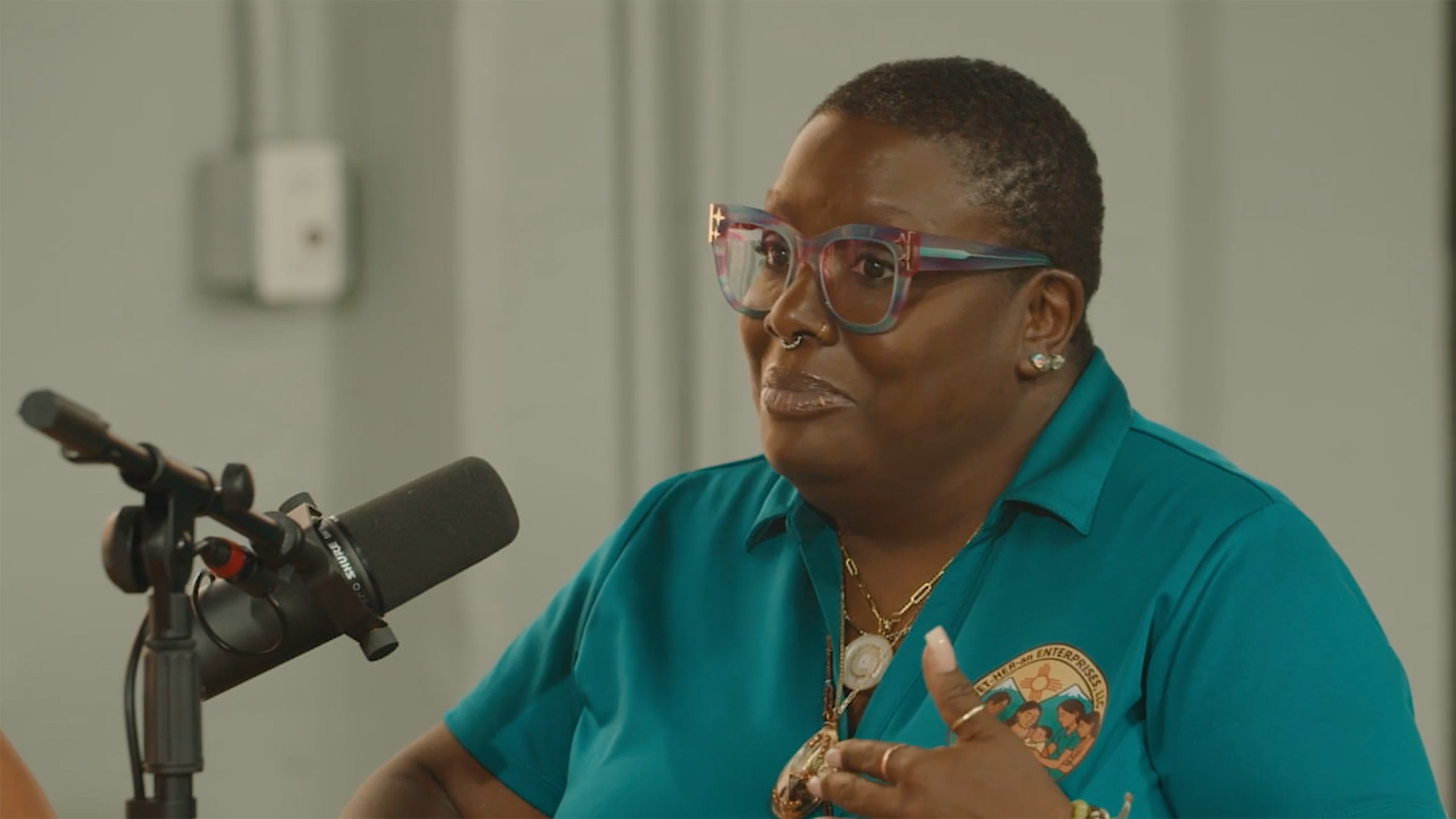
Jacqueline Thomas
Founder and CEO, Vet-HER-an Enterprises, LLC
Jacqueline Thomas is the founder and CEO of Vet-HER-an Enterprises, LLC, a New Mexico-based social impact enterprise rooted in healing justice, maternal care access and housing equity for Black, Indigenous and underserved communities across New Mexico. A combat veteran with an MBA in health care management, Thomas founded the organization in Rio Rancho in 2021 to address gaps in maternal health care access, culturally competent support services and safe housing across New Mexico. Under her leadership, Vet-HER-an has developed initiatives centered on mobile maternal health services, doula support, transitional housing, workforce development and healing-centered care for marginalized communities.
Before and alongside building Vet-HER-an Services, Thomas has been active in maternal and public health advocacy efforts throughout New Mexico. She has worked within statewide maternal health networks focused on equity and community-based care. She also helped organize and launch one of New Mexico’s first dedicated Maternal Health Week initiatives, bringing together health care providers, educators, advocates and policymakers to address maternal health disparities, birth equity and access to culturally responsive care.
Episode Partners





Comments