
 By
By 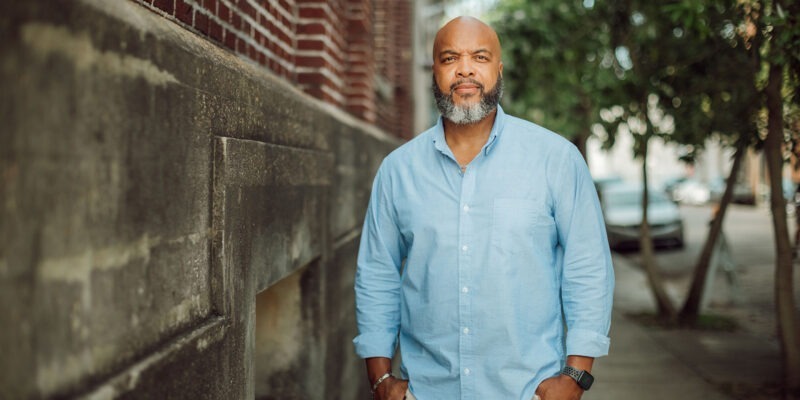
As we mark the National Day of Racial Healing, we reflect on the people and places working to improve the lives of children and families. In “Hope in High Water: A People’s Recovery Twenty Years After Hurricane Katrina,” Pulitzer Prize- and Emmy-Award-winning journalist Trymaine Lee returned to New Orleans and Mississippi to document how educators, organizers and neighbors are confronting disparities that Katrina exposed — and the community-led solutions taking root today.
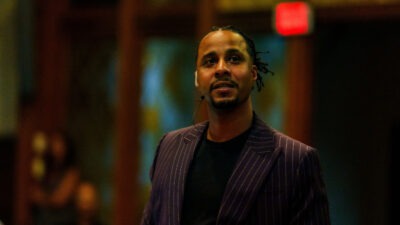
Lee first covered Hurricane Katrina in 2005 as a reporter with the Times-Picayune. Two decades later, he returned to New Orleans and Mississippi’s Gulf Coast to examine what recovery has meant through the voices of those who have led it. In an interview with the W.K. Kellogg Foundation (WKKF), he shared what he learned from creating the film and why stories like these matter:
What drew you back 20 years later — and why did you focus on the leaders and movements still shaping recovery today?
Lee: I might’ve left New Orleans, but New Orleans has never truly left me. It felt only right to return and tell this story — but to do it in a way that respects and honors the people who fought tooth and nail to rebuild and reclaim their city, or at least plant the seeds for those who will. In a moment when so much noise competes for attention, it matters that we elevate the voices of the people who are doing the slow, steady work of repair and healing.
Looking back, how do you see the legacy of Katrina — both in terms of its devastation and in the ongoing efforts to build something stronger?
Lee: Imagine for a second what most folks know about Katrina — the massive loss of life and property. As bad as that sits in your imagination or memory, magnify it by five. That’s how bad it was. But even then, Katrina broke levees, but it never broke people’s spirits or their desire to come back and rebuild. None of it has been easy. It’s debatable whether the city itself has come back stronger, but what’s unquestionably stronger is the resolve of groups on the ground doing everything they can. Those two things can sit next to each other: the deep wounds and the determination to heal them.
In “Hope in High Water,” we meet educators, farmers and first responders. What did you learn from their work, and what do they reveal about the progress still unfolding in the region?
Lee: That it takes a holistic approach — each person bringing what they can to the table, all their skills, expertise and really, their hearts and resources. And it’s an inch-by-inch process. It’s a person-to-person long game. It’s incremental. But in that slow, steady work, you can see how communities heal, reconnect and rebuild themselves from the inside out.
How does storytelling create space for healing and accountability, especially when systems fall short and communities must continue to lead?
Lee: Storytelling and narratives matter in huge ways. It’s how we understand people, issues and ourselves. When systems fail, truth and humanity are often the first to go. In that vacuum, false narratives and stereotypes can be weaponized — and we saw that during Katrina. That not only slowed rescue and later recovery efforts, but it also cost lives. Real storytelling creates room for healing because it restores dignity, confronts harm honestly and helps people see each other more clearly.
What moments or voices from the film stayed with you most — and what do you hope audiences carry with them about the unfinished work of recovery?
Lee: Each and every voice from the doc still plays in my head on a loop. But the folks working to reconnect communities to the soil — the literal and figurative land beneath people’s feet — really stand out. In doing so, they’re working for the future: protecting and restoring land and legacy, but also growing food to feed people and generations to come. There’s something powerful about that idea, especially in the face of disasters — natural and man-made alike. It’s a reminder that healing takes time, and that the work continues long after the cameras leave.
About “Hope in High Water”
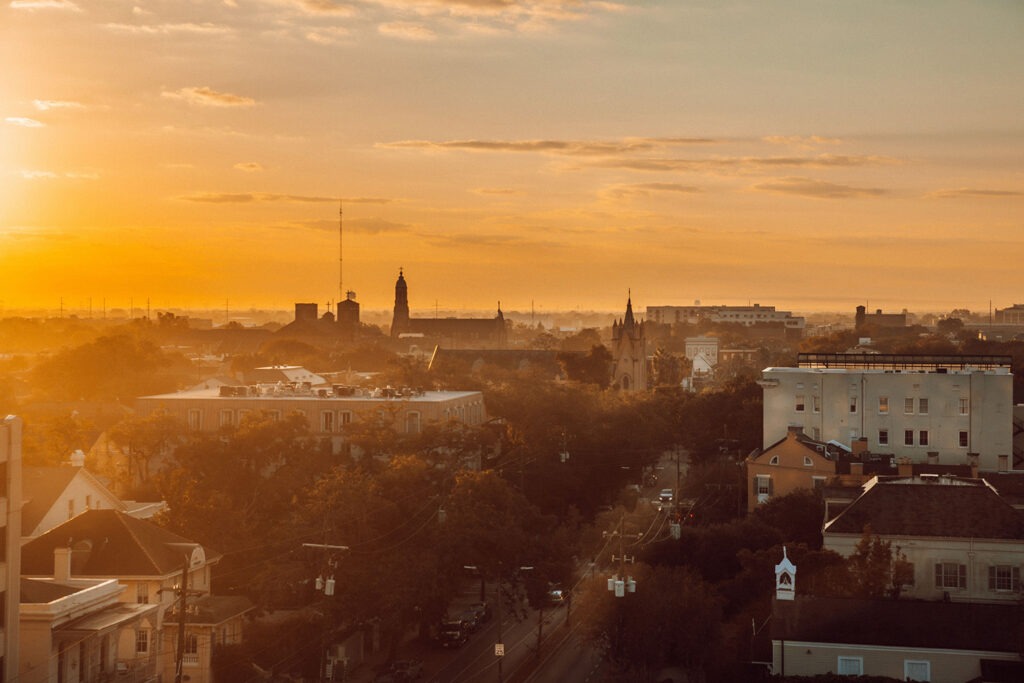
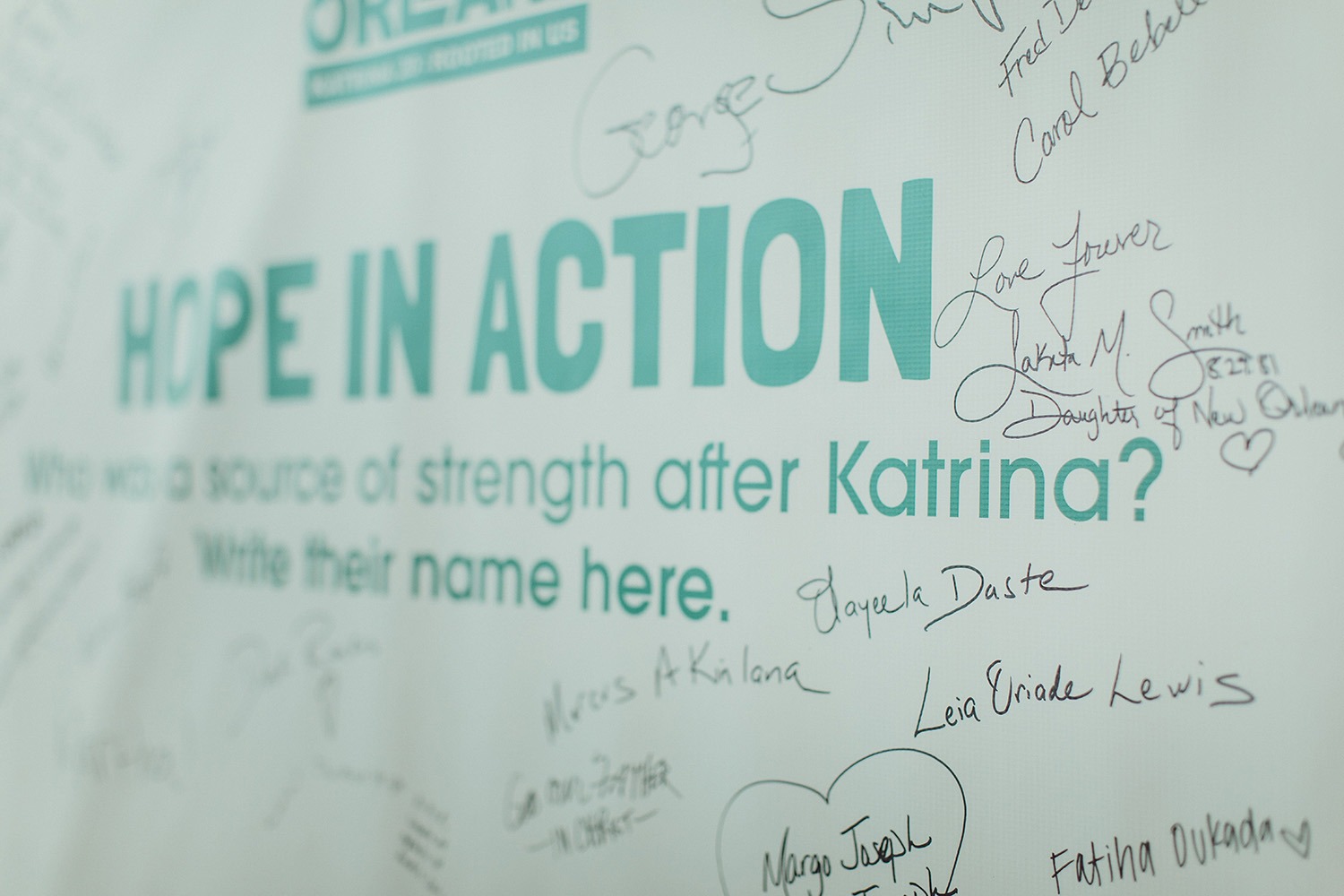
When Hurricane Katrina struck, it reshaped New Orleans, coastal Mississippi and the lives of those who call the region home. In the years since, organizers, educators, artists and youth have led the work of reimagining what recovery can look like when powered by community.
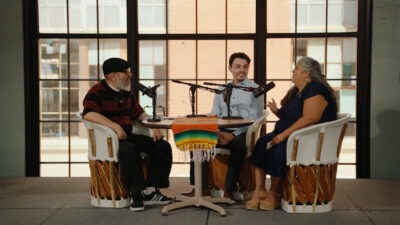
Through archival footage, personal testimony and on-the-ground reporting, Lee follows the everyday people who are rebuilding and repairing their communities in his film, “Hope in High Water: A People’s Recovery Twenty Years After Hurricane Katrina.”
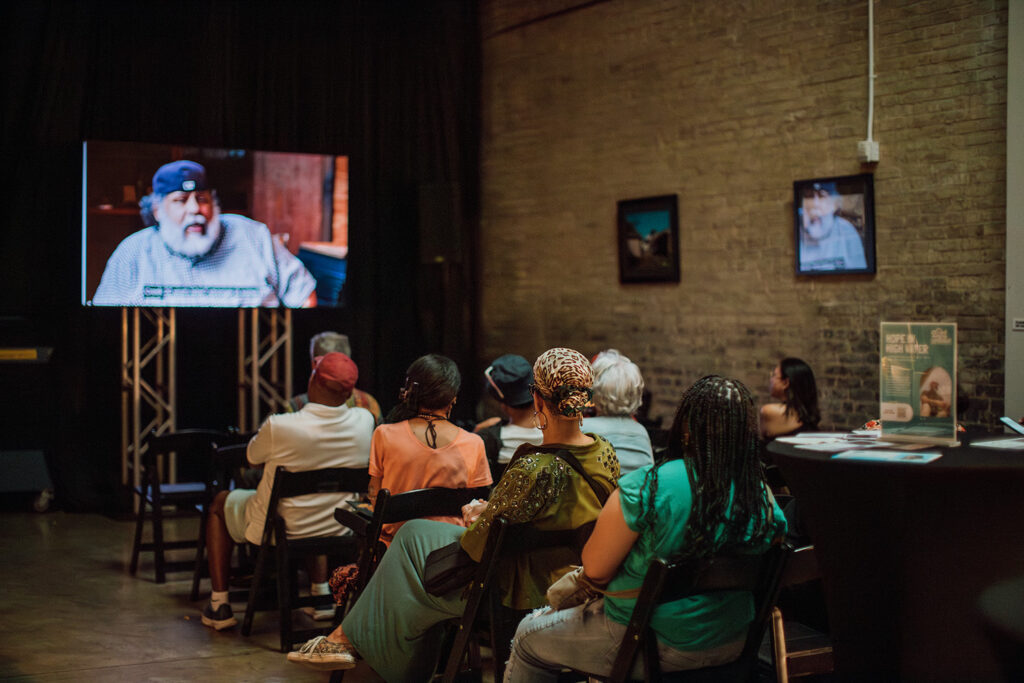
The documentary was made possible with support from WKKF. You can view “Hope in High Water” for free and explore more stories about the leaders driving change in New Orleans and Mississippi’s Gulf Coast by visiting Katrina 20: Rooted in Us.


Comments