 By
By 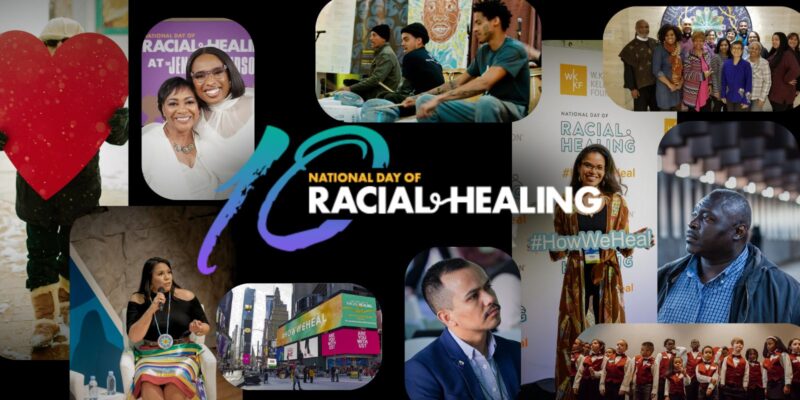
The very first National Day of Racial Healing took place on Jan. 17, 2017, when more than 130 organizations came together – just weeks after community leaders first proposed the idea – to reflect, tell the truth of their experiences and make space for connection across racial divides.
In its 10th year, the day has evolved far beyond its first gathering. It has grown through a series of defining moments, experiences and practices that communities embraced and continue to make their own.
Here are 10 milestones that have tied the observance to a nationwide movement.
- Communities celebrate the inaugural National Day of Racial Healing. In late 2016, leaders gathered in Carlsbad, California, shortly after the U.S. presidential election and decided the country needed a day dedicated to truth-telling and connection. Just five weeks later, more than 130 organizations hosted community events, online actions and workplace reflections for the first observance.
- Arts and culture open the door to healing. Communities have celebrated the National Day of Racial Healing through storytelling, music and dance. In California, a church congregation gathered for a “sing-in” celebrating the music that inspired Dr. Martin Luther King, Jr., and fueled the Civil Rights Movement. In Indianapolis, community members exchanged books about their different cultures and shared how they understood racial healing. By centering arts and culture as a source of pride and connection, participants show how honoring community traditions can be a foundation for racial healing.
- States and cities declare healing a public priority. The first National Day of Racial Healing proclamations in 2017 signaled that local leaders saw racial healing as essential to community well-being. Since then, more than 100 counties, cities and states have issued official proclamations recognizing the day. Some communities went further, integrating racial healing into annual events and public learning opportunities.
- More communities show up every year. What began as a singular day quickly became a yearly tradition. The first National Day of Racial Healing events took place in just four states, but year after year, more communities returned, and the experience spread. In 2025 alone, communities in 41 states honored the day, with individuals, neighbors and communities hosting healing circles, concerts, conversations, art events and youth-led gatherings. From Buffalo, New York, to Battle Creek, Michigan, to communities in Alabama, Texas, California, Hawai‘i and Alaska, local leaders launched annual experiences that demonstrated the ways in which racial healing can be a powerful daily practice.
- Iconic voices help elevate the day. Practitioners and movement architects such as Valarie Kaur, Jerry Tello and john a. powell, whose long-standing work in truth-telling, community restoration and healing, helped shape the observance’s foundation. Over the years, artists and storytellers carried that work forward, translating its values into culture and narrative.
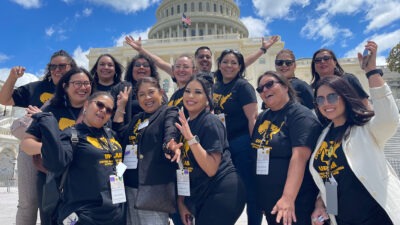
- Community partnerships expand the reach. Dozens of community partners stepped forward to embed the themes linked to the National Day of Racial Healing into civic and cultural life. Their leadership broadened the movement’s reach, and partnerships with groups like the American Public Health Association, American Library Association, University of New Mexico and the NAACP helped connect local audiences with national and international stories.
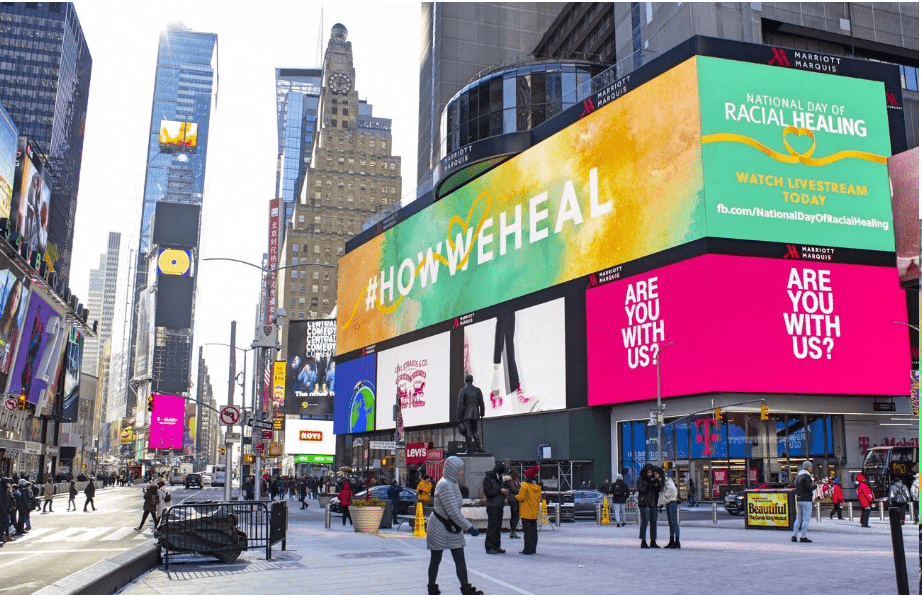
- People find connection during uncertain times. In 2021, with much of the world still living with the impact of the COVID-19 pandemic, the observance remained a powerful source of connection and even expanded through the use of virtual platforms. More than 90 events were held, adapted to online and socially distanced formats, from Battle Creek’s “Love Your Community” sign campaign to Alaska Native-led virtual “coffee chats” on Indigenous healing. WKKF’s national program streamed on YouTube, drawing more than 184,000 views in January alone as people sought connection across borders and time zones.
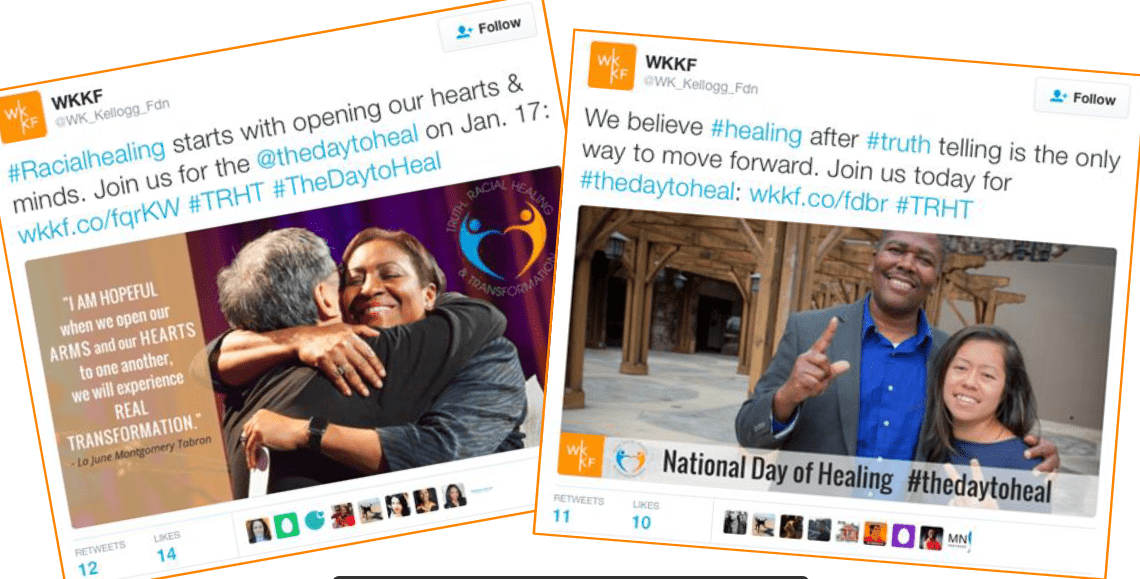
- Social media drives the conversation. From the start, social media helped turn the observance into a collective experience. WKKF launched its Instagram account on the very first National Day of Racial Healing. To help people participate, WKKF also created conversation guides for families, educators, decisionmakers and businesses, giving anyone a simple way to join the day and spark conversations in their own spaces. Each year, social feeds fill with images, stories, signs of solidarity and messages of hope, proving that digital spaces continue to be an important engine for bringing people together across geography and culture.
- Children and youth lead the way. Over the years, children and youth have shared the impact of healing in their lives and communities. In Chicago, Communities United explored art as a way to heal from gun violence, and University of New Mexico athletes gathered for candid conversations about the impact of racism.
- Racial healing happens in global spaces. In 2024 the World Economic Forum in Davos, Switzerland, featured conversations on the importance of racial healing as a key pathway to ensuring every child in every community has a fair opportunity to thrive. WKKF shared the message with global leaders. Every year, members of WKKF’s Global Fellows Network host National Day of Racial Healing events in Latin America and the Caribbean as well as Southern Africa.
Comments