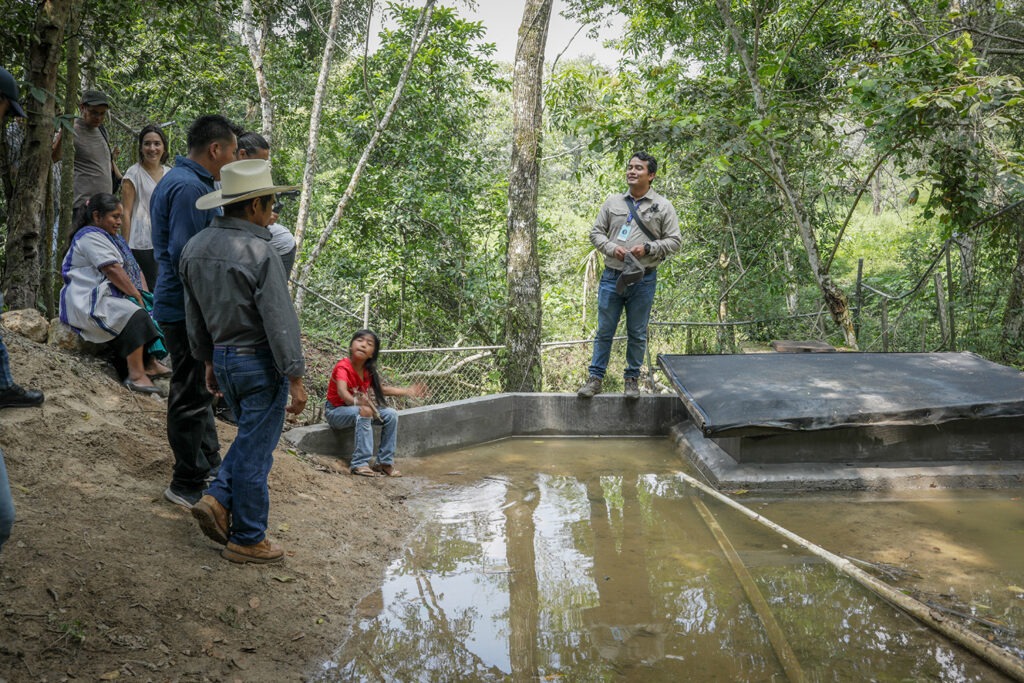
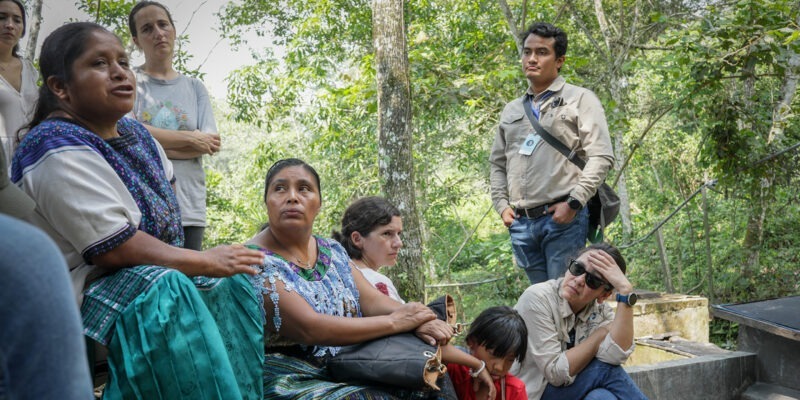
On a hot morning in the municipal district of Sitalá, Chiapas, more than two dozen members of the local water committee gathered near a freshwater spring that supplies their communities. Adults and children stood together as community leaders talked through the benefits of clean water to their families and crops, examined the protective fencing and discussed how the system held up through the last rainy season.
For years, this kind of collective stewardship felt out of reach.
“We used to depend on systems that broke down or water sources we couldn’t protect,” recalled María Luisa Gómez Pérez, a community leader in Sitalá and member of the municipal association of water committees. “When something failed, families were on their own.”
Today, that reality is changing.
Photo credit: Marco Girón
Through a partnership with Cántaro Azul, a member of the Alianza Crecer Juntos Sitalá (ACJS) collaborative that includes several organizations supported by the W.K. Kellogg Foundation (WKKF), communities across Sitalá are strengthening their water systems not only by building and repairing infrastructure, but by rebuilding trust, improving skills and making collective decisions around water rights.
From scarcity to shared responsibility
Sitalá is a rural, largely Indigenous municipality located in southern Chiapas, Mexico. Access to clean and reliable water there has long been a challenge due to seasonal drought, water contamination and aging infrastructure, among other things. As a result, gastrointestinal illness is rampant, serving as one of the primary causes of death of children under the age of 5 and resulting in the malnutrition of half of all children.
Families who rely on local water sources for drinking and for irrigating their crops have had to overcome many obstacles. So rather than arriving with pre-designed solutions, Cántaro Azuland other ACJS partners began by listening.
“Our work starts with a simple belief,” said Cyntia Reyes Hartmann, executive director of Cántaro Azul. “Communities already have the knowledge and interest in improving water access. What’s been missing is sustained support to turn that into long-term water security.”
“Communities already have the knowledge and interest in improving water access. What’s been missing is sustained support to turn that into long-term water security.”
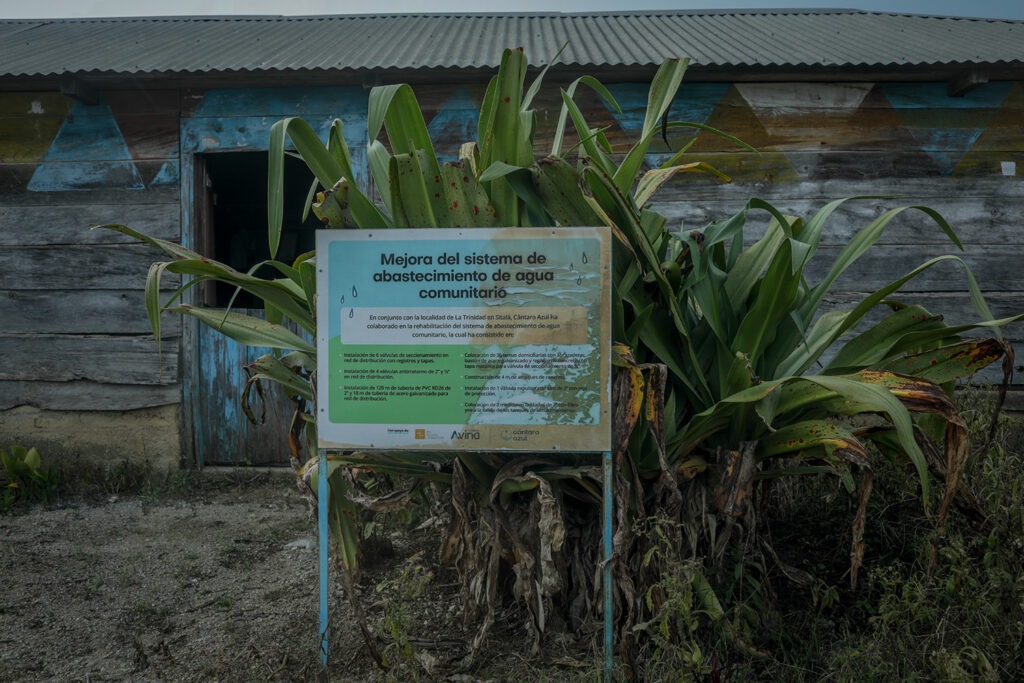
Working with local authorities and resident-led water committees over the span of three years, Cántaro Azul facilitated a joint decision-making process with 17 communities across the broader municipal district of Sitalá to diagnose local water challenges and co-develop action plans. These community-designed plans have now become roadmaps for infrastructure upgrades, maintenance routines and new community water governance practices.
Photo credit: Marco Girón
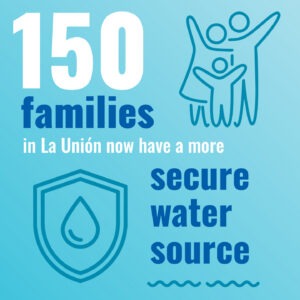
In the rural town of La Unión, families came together to protect a spring located nearly five kilometers away. They built new rainwater capture systems, installed fencing and enacted new community agreements. Today, more than 150 families have a safer, more stable water source.
“In the past, the spring was vulnerable,” said Gómez Pérez. “Now we have rules, we take turns caring for the spring and everyone understands why it matters.”
Infrastructure built by the community
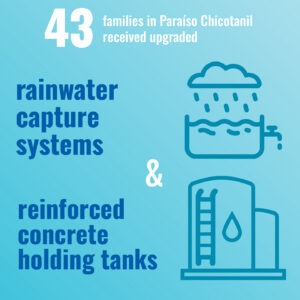
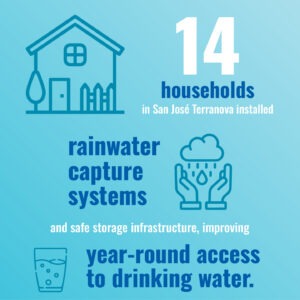
Across Sitalá in other towns like Paraíso Chicotanil and San José Terranova, improvements have taken the form of rainwater harvesting systems for family homes, rehabilitated holding tanks and other upgrades to infrastructure.
Yet what truly stands out is not what was built, but how.
Families carried materials, prepared building sites and worked alongside technical teams to complete installation. This shared effort fostered a sense of ownership and deep pride.
“When people help build the system, they protect it,” noted Hartmann. “Infrastructure is important, but what really sustains water access is community governance.”
Women leading the way
That governance increasingly includes women.
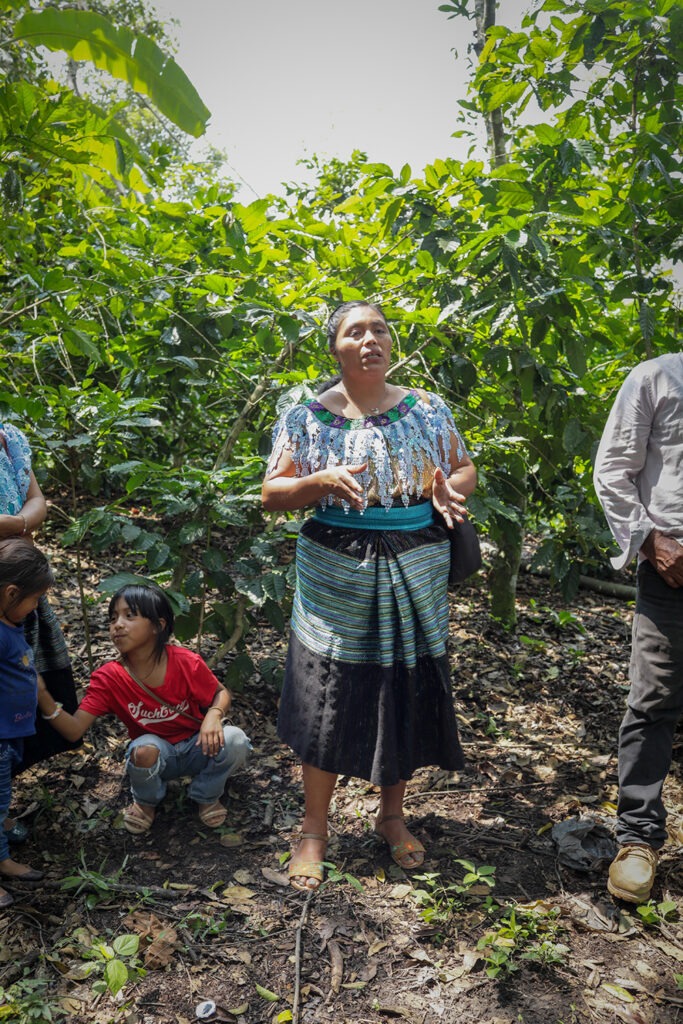
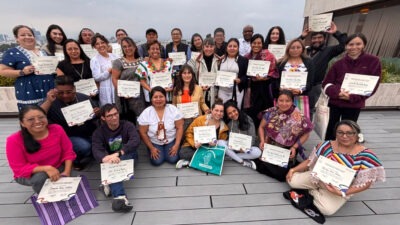
Women now play visible leadership roles within local water committees and the Association of Water Committees of Sitalá (APAMS), which brings together 35 leaders from across the district.
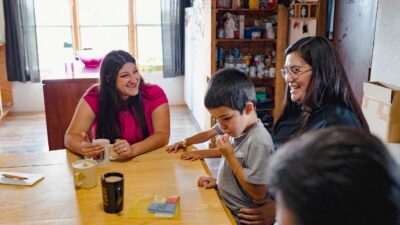
“For a long time, women did the work of managing water at home but not in public spaces,” Gómez Pérez explained. “Now we are part of the decisions. We speak in assemblies. We represent our communities.”
Photo credit: Marco Girón
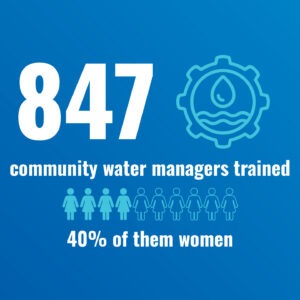
Through trainings on water quality, system maintenance, and financial management, women are building the skills needed to sustain these systems over time.
Water committees and community organizations also have engaged directly with mayoral candidates, elevating water and sanitation as urgent public priorities. Their efforts fed into the Agenda Chiapas por el Agua, a community-driven roadmap for water justice that has gained recognition at municipal, state and national levels.
Why Sitalá matters
Sitalá’s story is part of a broader movement. Across the state of Chiapas, Cántaro Azul’s community-led approach has supported thousands of families, trained hundreds of local water managers and demonstrated that sustainable water access depends on social systems as much as technical ones.
But in Sitalá, the impact is felt in everyday moments: a child drinking clean water at home, a woman confidently addressing an assembly, a community choosing cooperation over scarcity.
As Hartmann reflected: “Water justice doesn’t begin in offices or policies. It begins when communities realize their power and are supported to act on it.”
Photo credit: Marco Girón
It is estimated that only 43% of the population in Mexico has access to safe water (improved source, available, sanitary) (UNICEF/WHO 2017).
According to data from the INEGI Census of Schools, Teachers and Students of Basic Education, there are around 25,000 schools in Mexico – 1.7 million students – that do not have access to a public water network.
In rural areas in Chiapas, only 31% have water every day with an exclusive toilet and connection to a drainage network or septic tank. (National Household Survey, 2017)
Only 14% of multi-grade and community indigenous schools have the means to ensure access to drinking water for children. (INEE 2016).
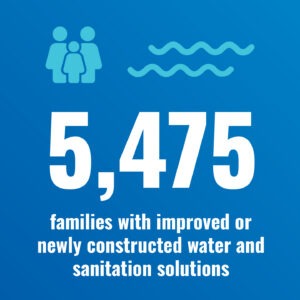
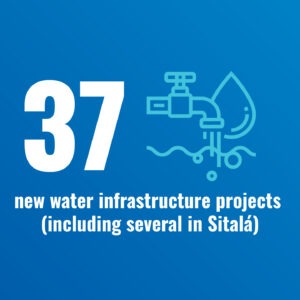
Rainwater is the only source of fresh drinking water in some rural communities. Thanks to local collaborative efforts:
During the period of 2021 – 2024, the work of WKKF grantee Cántaro Azul resulted in:
 By
By 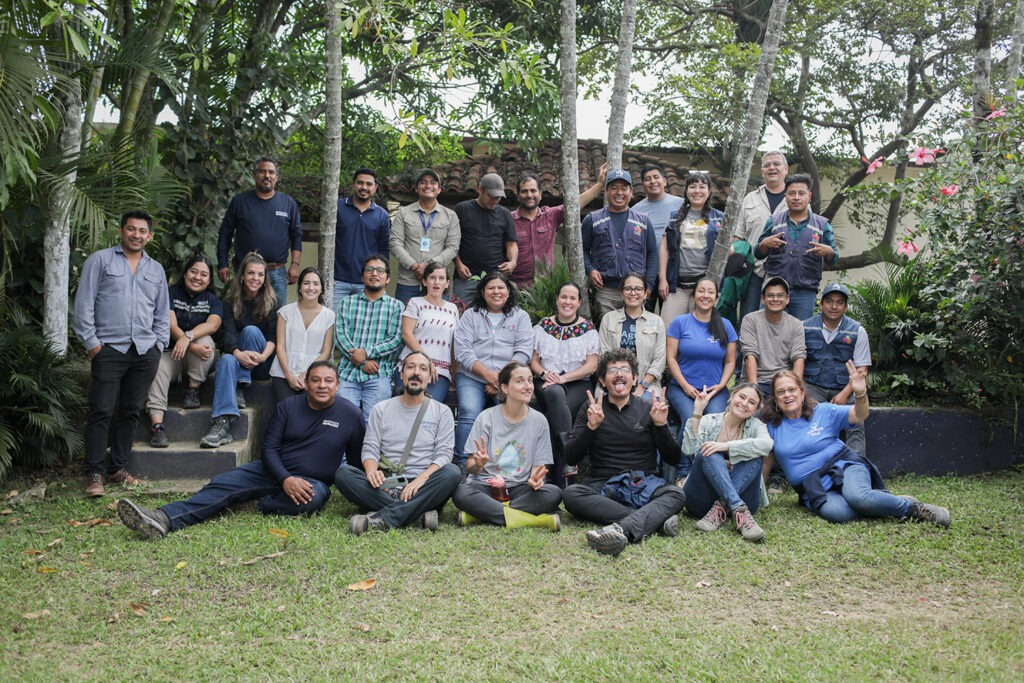




Comments