 By
By 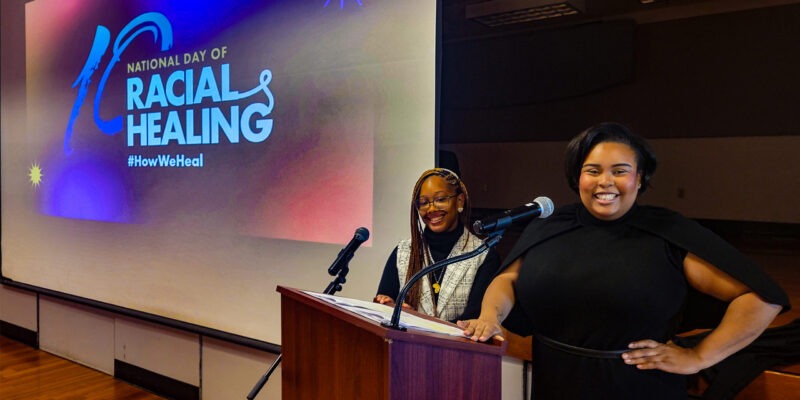
When communities across the United States marked the 10th annual National Day of Racial Healing, many gathered in familiar public spaces where connection happens naturally, such as libraries, parks and neighborhood recreation centers.
For the first time, events like these took place in all 50 states and the District of Columbia, a milestone reached by communities nationwide, and strengthened through partnerships with two organizations rooted in everyday community life: the American Library Association (ALA) and the National Recreation and Park Association (NRPA).
In libraries and parks across the country, celebrations of racial healing began not with sweeping gestures, but with the simple decision to gather.
In parks, healing happened in public
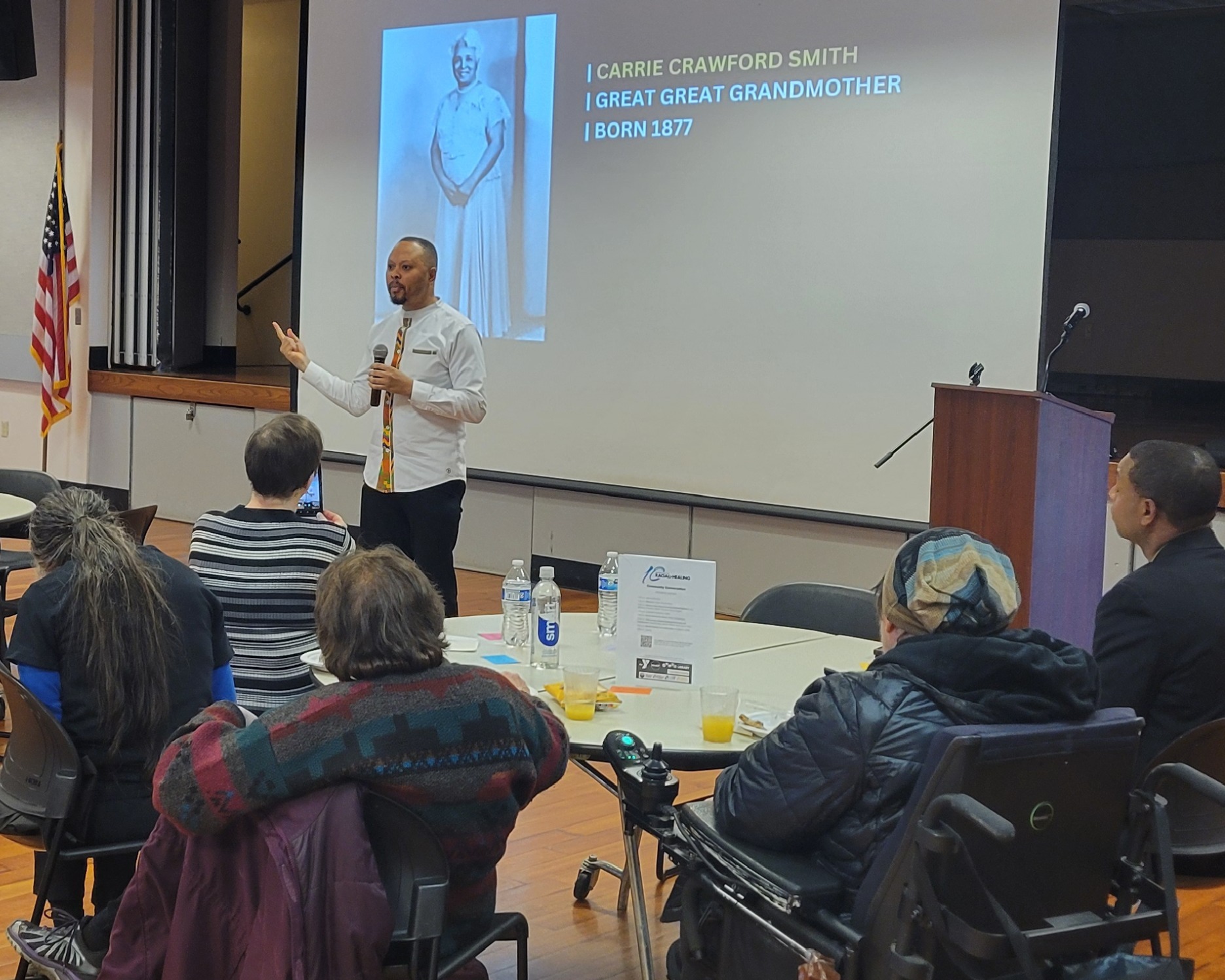
“Parks are places that everyone goes to,” said Autumn Saxton-Ross, chief equity and education officer at the National Recreation and Park Association. “It’s an infrastructure that is necessary for a functioning and healthy society.”
Through NRPA’s national network of more than 68,000 members, Saxton-Ross helped coordinate participation across park systems nationwide, encouraging agencies to shape gatherings around what made sense in their own communities.
In Washington state, one parks department set aside a full day to bring staff and community partners into the same room to explore what real, authentic relationship-building looks like in practice. Another small agency used the day as an opportunity for staff development, introducing the StrengthsFinder tool as a way to open up conversations about teamwork, trust and what it means to recognize and appreciate one another’s contributions.
That kind of internal grounding matters, Saxton-Ross noted, because community healing often begins with the relationships inside the institutions that create community space.
In Montana, Missouri, South Dakota and other places, local agencies organized some of their state’s first National Day of Racial Healing events, including cultural celebrations, community gatherings and moments of shared reflection.
“The foundation of all of it is connection,” Saxton-Ross said. “It was healing for so many communities to be able to explore that unhindered.”
In libraries, belonging began with stories
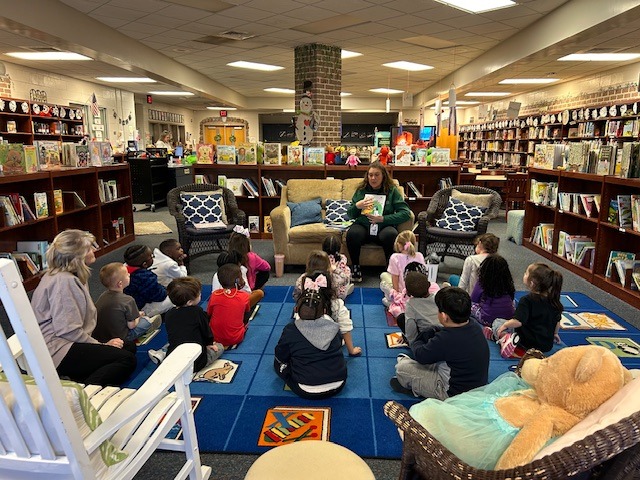
Libraries offered a different kind of gathering place, but an equally civic one.
At the American Library Association, Kevin Strowder, director of the Office for Diversity, Literacy and Outreach Services, said the decision to bring National Day of Racial Healing activities into libraries across the country grew naturally out of the association’s core values.
“Racial healing, working across differences, connection, all of those things are at the forefront of our profession,” Strowder said. For years, he noted, many of the conversations about these topics were happening within the library field, among members. This year marked a turning point: an opportunity to take the next step and give librarians across the nation practical tools to carry those conversations into their communities and make them matter locally.
Rather than prescribing a single format, ALA encouraged local creativity, allowing schools and local librarians, Strowder said, to “run wild and brainstorm bigger” around what healing and belonging could look like in their own settings.
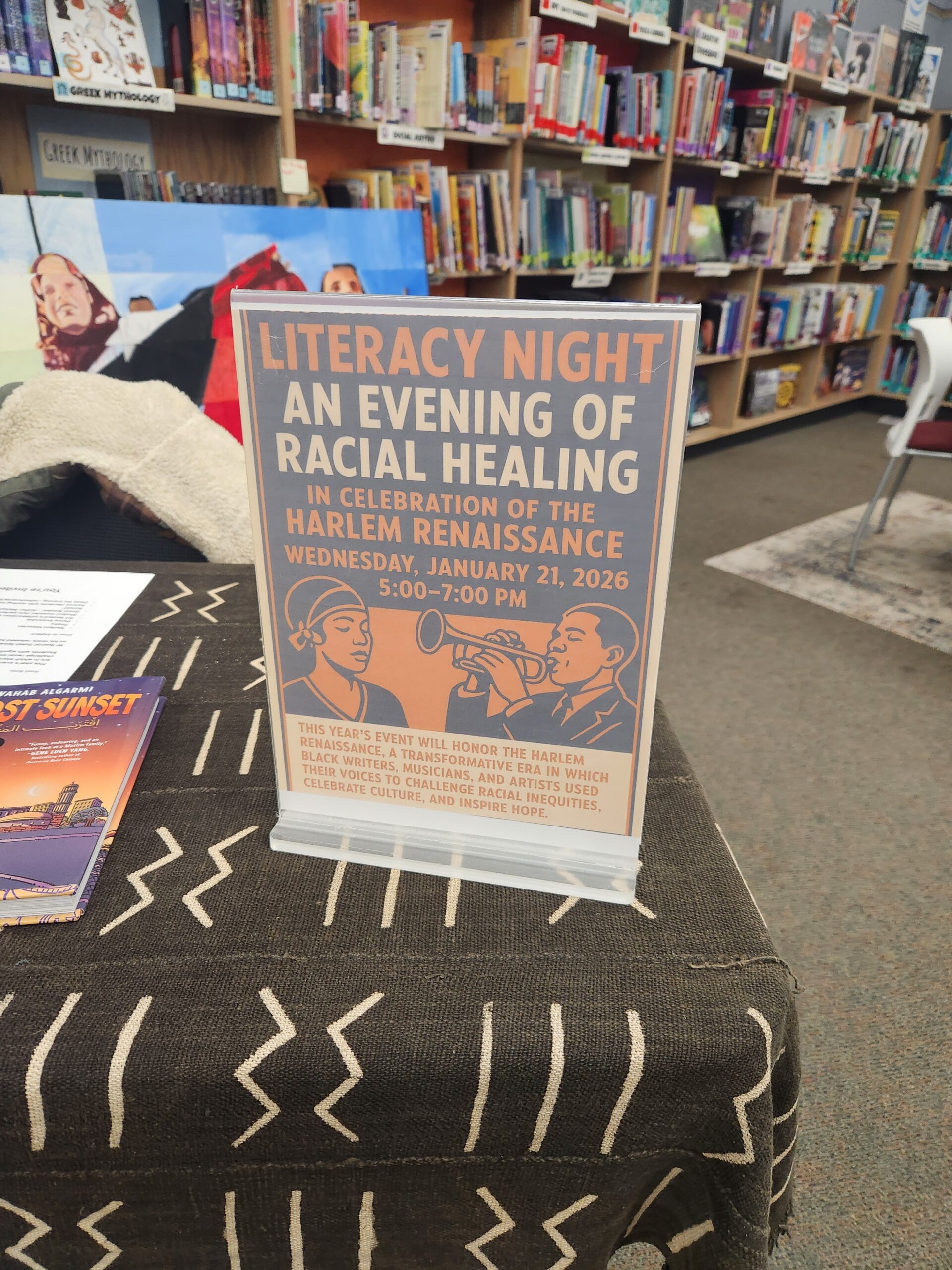
To bring literary history to life, one school organized a Harlem Renaissance night, drawing inspiration from the cultural flourishing of Harlem in the early 20th century. Students crafted original poems and stood proudly before their families, teachers and neighbors to perform them — turning a lesson into a shared community experience. “That’s a different type of connection,” Strowder said. “History is rich with experiences and stories that also affirm the lived experiences of young people today.”
In Oklahoma, one school librarian used guiding questions from the National Day of Racial Healing Conversation Guide to help students explore different themes through books and poems: “What stands out to you in this book, and why?” and “How does reading this story contribute to understanding or healing about race?”
“Libraries are a pillar of democracy,” said Allison Cline, interim executive director of the American Association of School Librarians, a division of ALA that focuses on the school library community. In a moment of heightened pressure on educators and public institutions, she added, “It felt really good…to celebrate this day.”
“Bringing people together to a physical space is one of the first steps,” Cline said. In the library, she added, shared space can become a bridge, a place where different cultures and communities encounter one another, sometimes in ways they hadn’t before.
“That was very healing”
For both NRPA and ALA, the National Day arrived at a moment when many public institutions are being asked to do more with less and still strive to remain anchors of connection and stability for their communities amid uncertainty.
“Our parks members and agencies are so diverse,” Saxon-Ross said. “They’re in big cities, metropolitan centers, small towns and rural areas, and they represent so many perspectives and people. Even in a year when resources are tight, what’s beautiful is that they could still rally around the idea of connection — and have the freedom to explore it in ways that felt relevant for their communities. That was very healing.”
For Strowder, the context made this year’s work feel just as essential in libraries.
“Libraries are often where communities turn when they need grounding,” he said. “Our members are in these neighborhoods. They know the challenges their neighbors are facing, and they care about these conversations. Engaging with community members in this way is necessary.”
What Is the National Day of Racial Healing?
The National Day of Racial Healing is a day created and observed by communities across the country as an invitation to come together, reflect honestly on the harms of racism and build relationships that strengthen belonging.
The W.K. Kellogg Foundation partners with communities and organizations nationwide to support and amplify this work each year.
To learn more about the National Day of Racial Healing or explore other resources, visit dayofracialhealing.org.

Comments