 By
By 
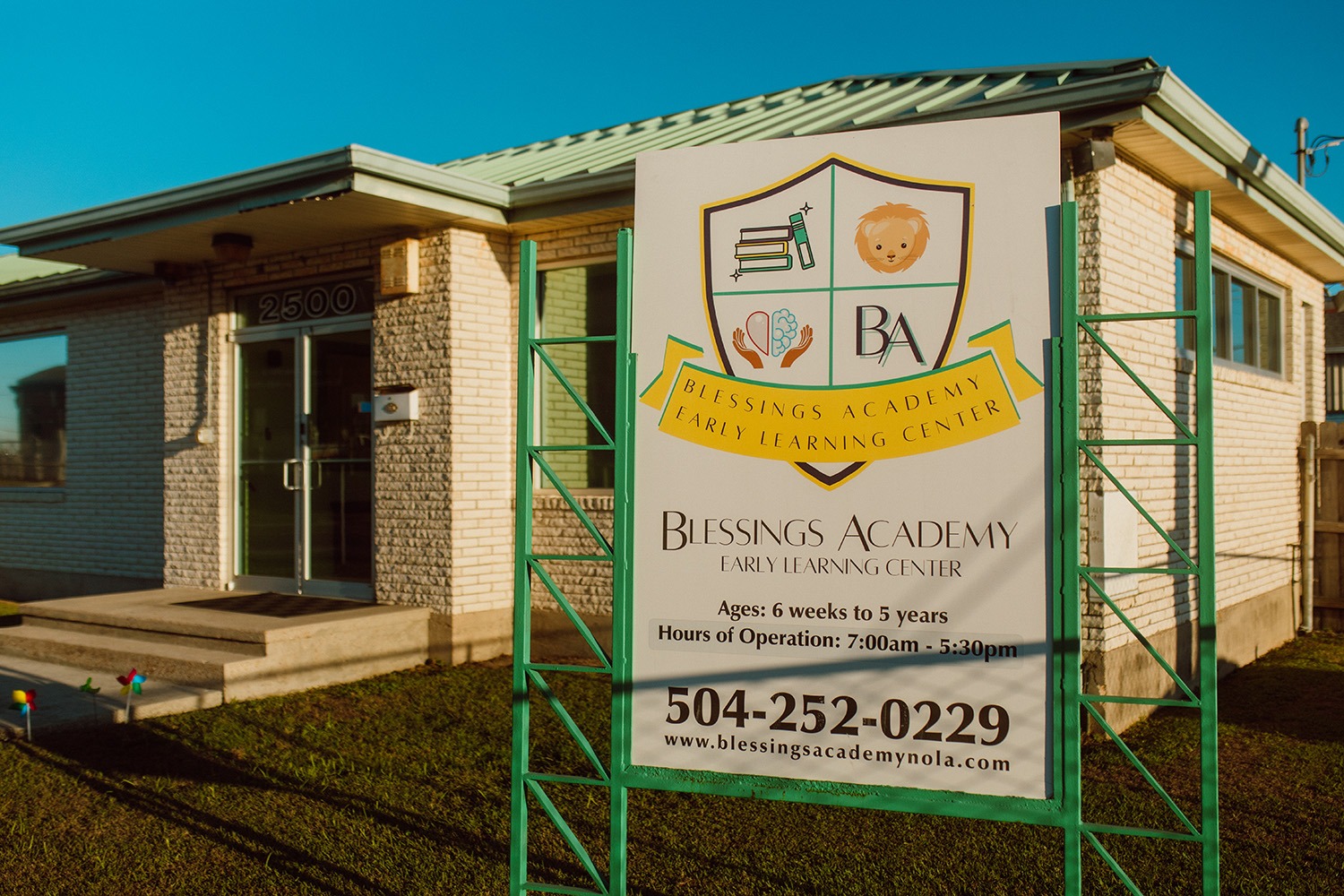
On a bustling street in New Orleans, Janikah Miles looks at the green-and-white sign she just put up: “Blessings Academy Early Learning Center.”
Miles has been picturing this moment since she was 16, when she became an apprentice at her godmother’s childcare center. Every morning, she watched her godmother teach children letters, numbers and the small routines of a school day, with the care of someone building a foundation for the future.
She set out to follow that path, earning her certification in early childhood education and registering her business. What she envisioned wasn’t simply a childcare center. It was a place where children could begin their learning journey, families could find dependable care and a neighborhood could gain another community asset.
But opening a center required more than a vision. It meant navigating licensing requirements, securing a location, developing a business plan and building a sustainable operation from the ground up.
Like many entrepreneurs, Miles had the passion and industry expertise. What she needed was support to turn her idea into a thriving business.
Why early learning matters
High-quality early childhood education is one of the strongest investments a community can make. It helps children build the language, social and cognitive skills that support lifelong learning, while enabling parents to participate in the workforce and contribute to local economies.
Yet families across the United States are struggling to find open spots at licensed childcare facilities. Nearly half of young children in the United States live in areas where it is difficult to find licensed childcare, according to the Center for American Progress. In Louisiana alone, more than 114,000 infants and toddlers do not have access to the high-quality early care and education they need.
For working families, the shortage creates daily challenges. Trusted places are hard to find, waiting lists are long and parents often find themselves juggling schedules, reducing work hours or leaving jobs altogether. For employers, the impact is significant, costing Louisiana businesses an estimated $762 million a year and the wider state economy $1.3 billion.
Miles saw both the need and the opportunity. She wanted to create a place where children could thrive and families could find support, so she went looking for the guidance needed to build something that would last.

Where entrepreneurs come to grow
On the corner of Broad Street and Washington Avenue, a New Orleans nonprofit has spent more than 15 years helping entrepreneurs like Miles turn community-rooted ideas into lasting impact.
Propeller was founded in 2009, as New Orleans continued rebuilding after Hurricane Katrina. The organization was created around a simple belief: the people closest to community challenges are often closest to the solutions. Since then, it has supported entrepreneurs tackling some of the region’s most pressing social, economic and environmental issues.
Miles’ story reflects a larger pattern in New Orleans. In the two decades since Katrina, residents have repeatedly come forward to strengthen their communities, launching businesses and organizations that expand opportunity and address local challenges. Through Propeller, founders have worked across sectors ranging from early childhood education and workforce development to affordable housing, healthcare access, food systems and coastal restoration.
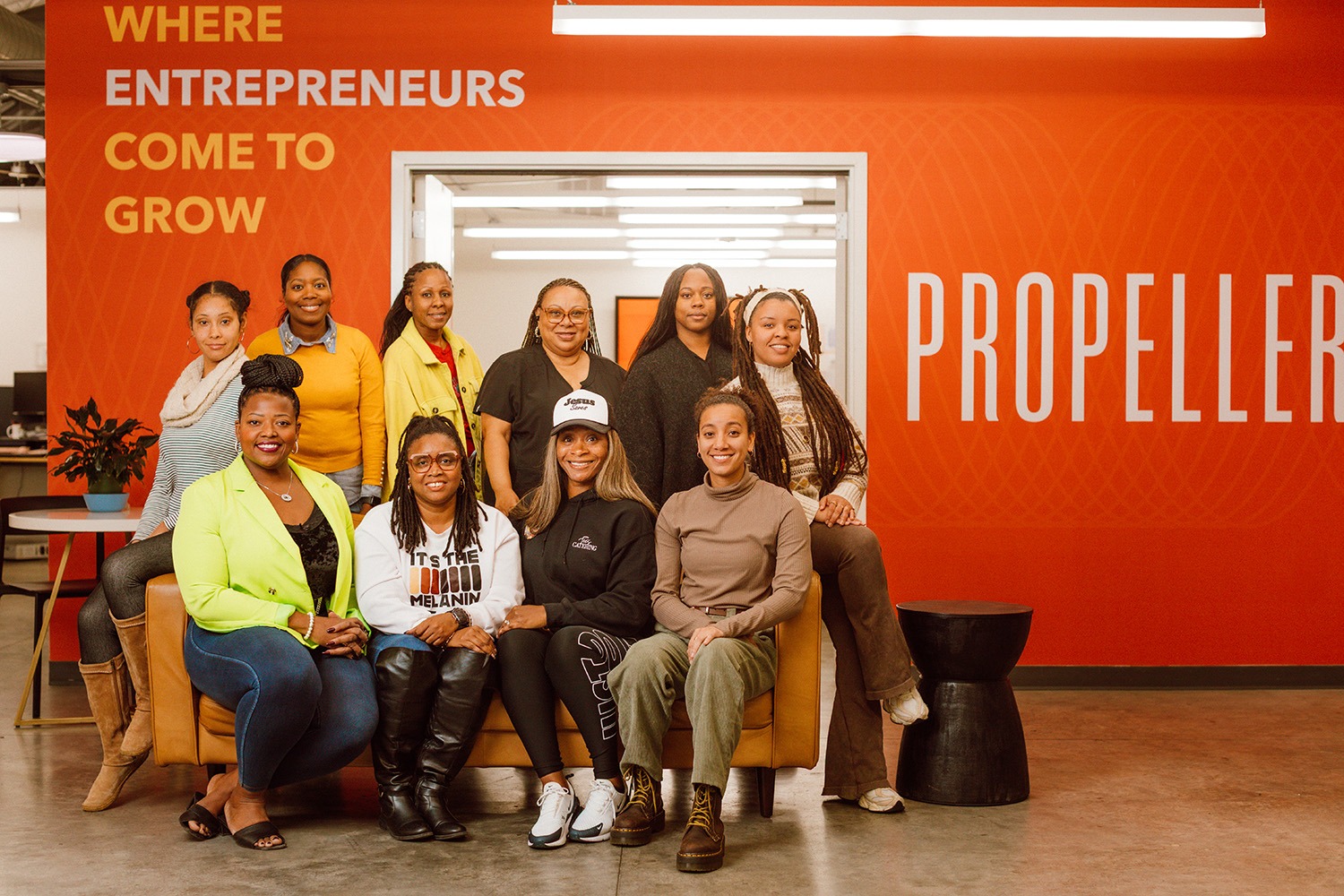
With early support from the W.K. Kellogg Foundation for its Impact Accelerator, Propeller has built a continuum of programs that meet entrepreneurs wherever they are in their journey. Many of the entrepreneurs who come into Propeller are first-generation business owners.
“That entrepreneurial spirit is really baked into the individuals who live in this city,” said Jess Allen, Propeller’s CEO. “Business development and entrepreneurship are generally an equitable spread of ideas and creativity, but not equitable access to resources and networks. That’s where we aim to be, to close that gap.”
What entrepreneurs often need is practical: someone who can help them think through pricing, set up payroll, prepare a loan application or find a landlord willing to lease to a new venture. Propeller meets them there and takes it further, connecting founders to mentors, peer networks and the capital, contracts and customers that turn an idea into a working business.
Its model reflects a growing recognition across the country: lasting change often comes from investing in local leaders with lived experience, innovative ideas and a deep understanding of their communities.

An apprentice becomes a director
Miles first connected with Propeller through ACCEL (Advancing Childhood Care Through Executive Leadership), where she refined her business plan, clarified her goals and connected with coaches and fellow childcare entrepreneurs. Through Propeller’s Impact Accelerator, she gained additional support that helped bring Blessings Academy to life.
In November 2025, Blessings Academy was officially licensed and opened its doors with its first two students and capacity to serve 28 families. The teenager who had once watched her godmother run an early learning center was now running her own.
“Besides the information provided that prepared me for success, the support from the mentors is something that I will forever be grateful for,” Miles said. “They helped stir up confidence to move from survival mode into strategic leadership.”
For parents like Shawn and Tania Noble, the impact of Blessings Academy is measured less in enrollment numbers than in peace of mind.
“As new parents, we were very nervous about having [our son] enter daycare,” Tania Noble said. “Janikah and her team quickly put us at ease. On his first day they were in constant communication, letting us know how he was acclimating.”
Today, their son Atlas lights up when he sees his caregivers at Blessings Academy. His parents say the center works closely with their family to create consistency between home and school while helping him reach new developmental milestones.
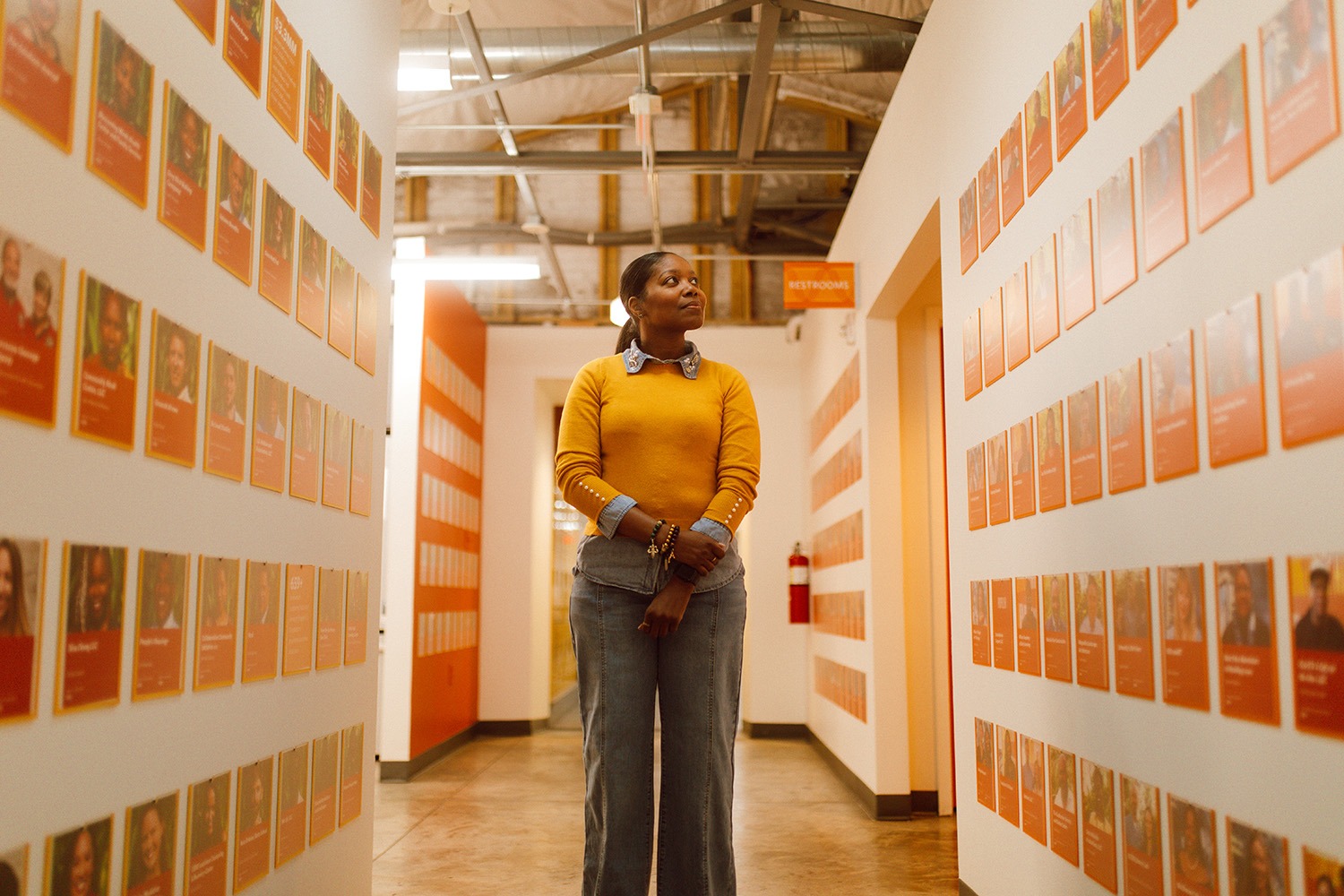
Across New Orleans, Propeller-supported entrepreneurs are opening doors for families, creating jobs, strengthening neighborhoods and tackling challenges ranging from education and economic opportunity to environmental sustainability and community health.
One center at a time
Blessings Academy is one center, but for the children and families it serves, its impact is immediate and personal.
What began as a teenager’s dream has become a place where children learn, families find support and a neighborhood gains another community asset.
Across New Orleans, thousands of similar stories are unfolding as entrepreneurs turn ideas into businesses that meet local needs. Together, they are helping build a city where opportunity is created not only through investment, but through the vision, determination and leadership of the people who call it home.
Explore more
- Propeller: https://gopropeller.org/
- Blessings Academy Early Learning Center: https://www.blessingsacademynola.com/
- “America’s Licensed Childcare Deserts” | Center for American Progress: https://www.americanprogress.org/article/americas-licensed-child-care-deserts/
- “Balancing Act: The Financial Challenges of Childcare facing Louisiana’s Working Families” | Louisiana Policy Institute for Children: https://policyinstitutela.org/families/
- “State of Early Care and Education” | Louisiana Policy Institute for Children: https://policyinstitutela.org/early-childhood/state-of-early-care-and-education/
- “Propeller Impact Accelerator Recognized with National Award” | Biz New Orleans: https://bizneworleans.com/propeller-impact-accelerator-recognized-with-national-award/





Comments