 By
By 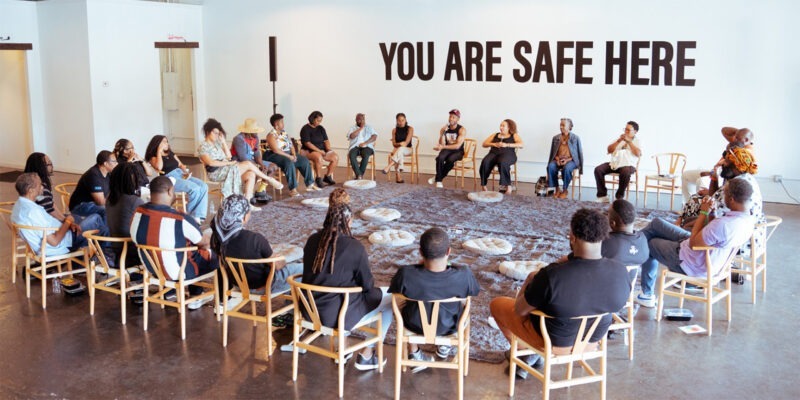
Across the United States, bookstores, classrooms, performing arts studios — and even kitchens — have transformed into spaces of healing. For nearly two years, the digital media platform Word In Black has documented what that looks like on the ground.
In 2023, the W.K. Kellogg Foundation partnered with Word In Black, a collective uniting ten legendary Black news publishers, to spotlight these stories. The result is a rich body of reporting that shows how many critical pathways exist for healing in Black communities — from art to local food systems, education, storytelling, engaging with the natural world and community organizing. Recently these stories, reported by emerging journalists, offered a fresh view of how young people are shaping this work.
As we approach the 10th annual National Day of Racial Healing, these stories provide an insightful look at the richness and diversity of healing practices.
See our roll call of recent Word In Black pieces below.
Healing through arts
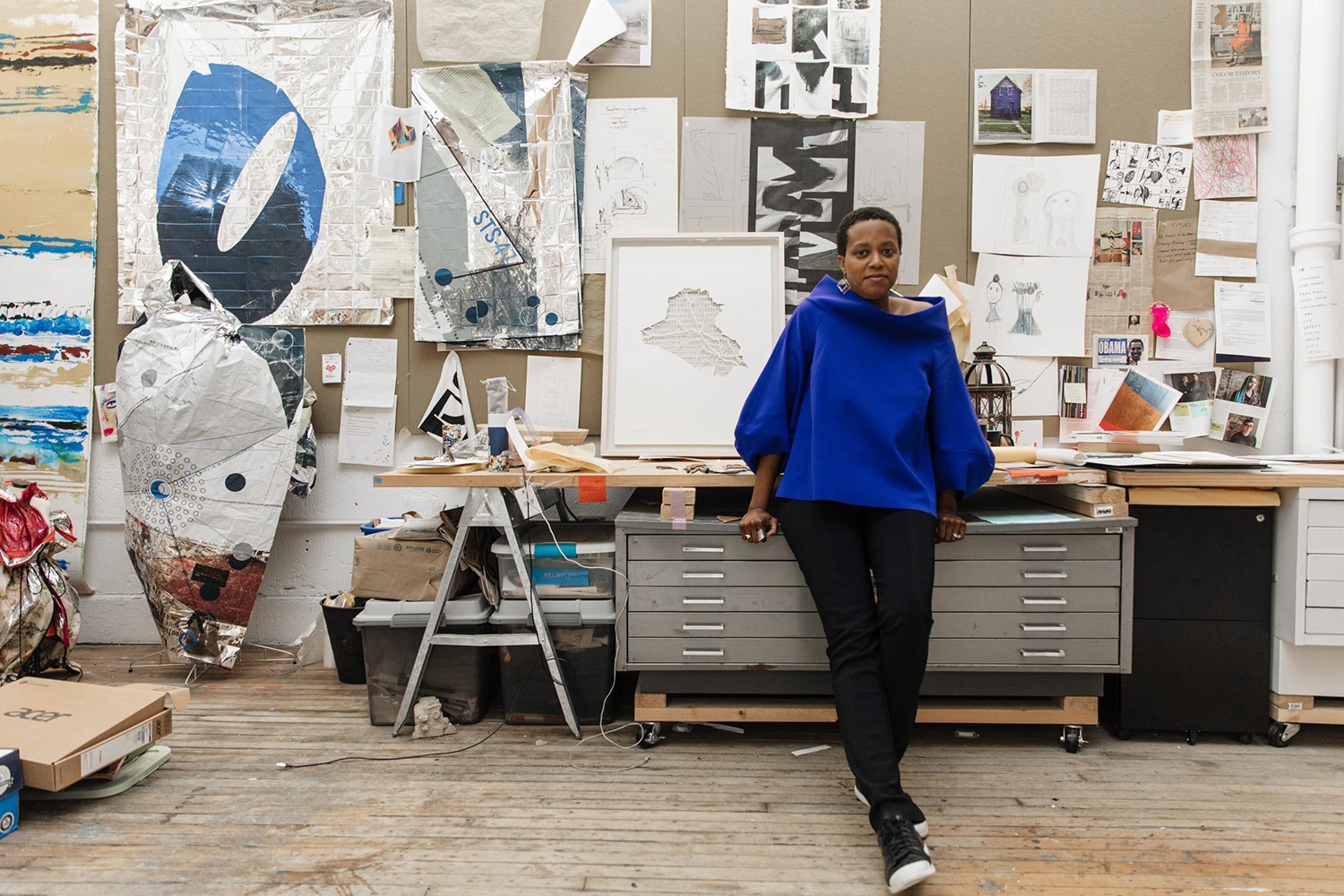
- Spelman students explore identity through fine art curation. On campus, an exhibit featuring works by MacArthur Fellow Amanda Williams prompts students to think deeply about color, identity and the politics of representation, while also teaching them how curation itself can be an act of racial healing.
- Baltimore uses art to heal after the Freddie Gray uprising: Nearly a decade after Freddie Gray’s killing, a community arts festival brings residents together to confront the lingering wounds of 2015.
- A Newark jazz club becomes a gathering place for connection. During a series of Healing Sounds events, students and neighbors meet in a cozy jazz venue to share music, conversation and community.
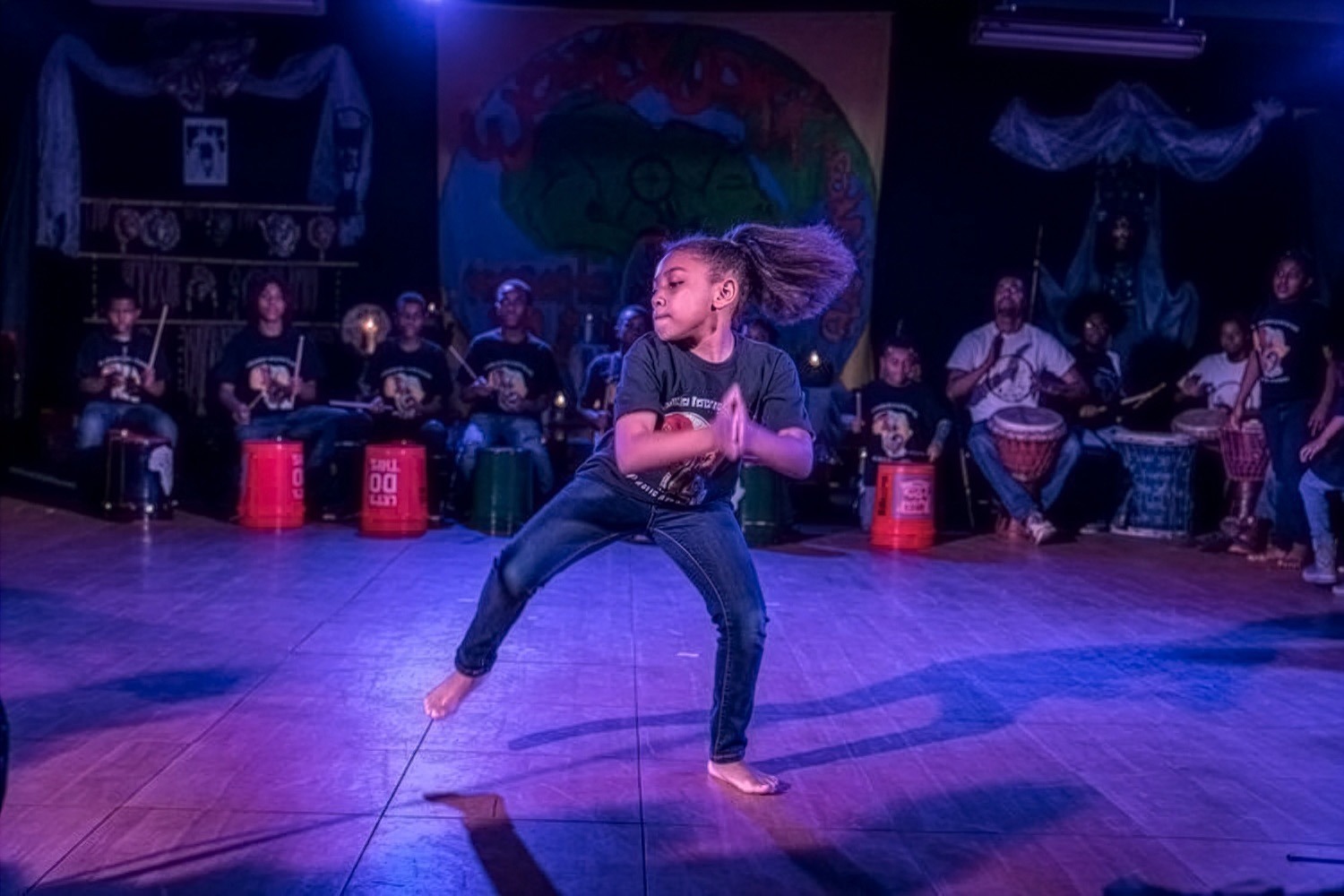
- Formerly incarcerated citizens reclaim their stories onstage. In Newark, the Ritual4Return program invites people returning from incarceration to turn their lived experiences into performance
Healing through media
- A newsletter helps women breathe again. Through radical honesty, humor and cultural clarity, a writer’s weekly newsletter gives Black women permission to pause, release stress and reconnect with themselves.
- A poet centers joy as a healing practice for children. Through poetry and brightly illustrated children’s books, beloved writer Ruth Forman reminds families that Black children deserve gentleness, joy and constant affirmation, a message she treats not as decoration, but as medicine.
- A podcast reconnects communities to nature. With a hit podcast, “Black in the Garden,” Colah B Tawkin connects Black people to the healing properties of plant life and nature, dispelling harmful stereotypes in the process.
Healing through creative expression

- A fashion creative builds a healing-centered space for fellow designers. Feeling out of place in the high-pressure fashion industry, Amanda Moore-Karim decided to combine her passion for couture, storytelling and spirituality to create a space where like-minded Black fashionistas can heal.
- A Memphis bookstore becomes a sanctuary. At DeMoir Books & Things, every shelf is intentionally curated to reflect Black life and imagination. Readers describe the shop as a place where they finally feel seen, a literary refuge that honors a full tapestry of personal and community experiences.
- Students turn to womanist literature to make sense of identity. At Rutgers University–Newark, young women study writers like Alice Walker and Toni Morrison as a way to better understand their own experiences and gain the freedom to love themselves.
Comments