 By
By 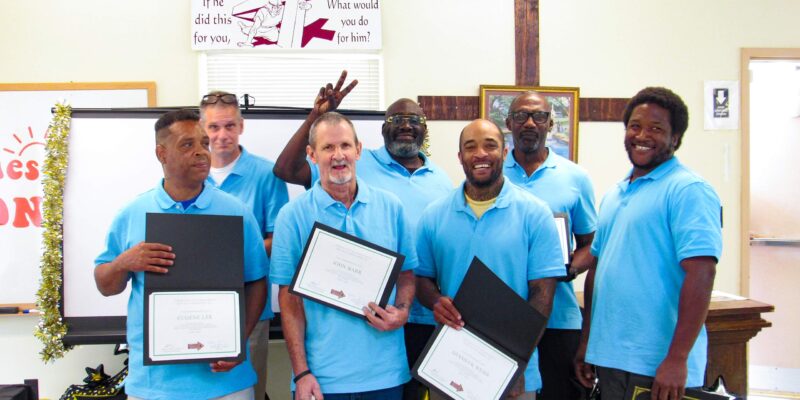
On a humid morning in Jackson, Miss., Theodore Reynolds walked out of the Mississippi Department of Corrections determined to build a stable life. But the challenges were real. “They might just give you $25,” he recalled. “A motel room is at least $60. So how am I to get a room? I don’t even have an ID.” What he did have was resolve — and a community ready to support him.
His story is one shared by many returning citizens in Mississippi: people ready to rebuild their lives, reconnect with family and contribute to their communities — yet confronted by systemic obstacles that make it difficult to reach their goals. In a state with the nation’s highest incarceration rate (about 1 in 150 residents, almost double the national average), many face homelessness, lack of identification and barriers to employment even before they have a chance to move forward.
Opening doors
New Way Mississippi, Inc., offers a different path. Since 1998, the Jackson-based nonprofit has provided wraparound support — transitional housing, job training, counseling, legal identification assistance and family reunification services. They demonstrate how when local organizations partner with employers and faith communities to support people reentering society after incarceration, everyone benefits — families reunite, businesses gain reliable workers and communities grow stronger.
Founder Larry Perry leads from lived experience. Having navigated addiction, incarceration and reentry, he understood that these barriers must be addressed simultaneously. “The main barriers people face were stable housing and stable employment opportunities,” he explained. Without an ID, securing housing is impossible. Without housing, maintaining employment becomes nearly impossible. New Way offers tools for individuals to address all of these obstacles while navigating the complexities of reentry. With those in place, people’s talents and potential can shine.
Since 2017, the W.K. Kellogg Foundation (WKKF) has awarded grants to Oxfam America, which supports New Way to carry out aligned work. In 2023, this support enabled New Way to expand its Employment Training initiative, enhancing training and strengthening partnerships with employers and congregations. Companies like Walmart, Continental Tire, Nissan and McDonald’s now actively hire New Way graduates, while churches including New Hope and Pine Lake reinforce support through mentorship and community connection.
“The employers have become advocates for our program,” Perry said.
"The main barriers people face were stable housing and stable employment opportunities"
Larry Perry
Finding stability
Reynolds’s journey shows what this support makes possible. Starting with New Way’s paper crew earning $25 per day, he worked his way to a partnering company where he now makes boxes at a factory.
“New Way gave me the opportunity to breathe and to re-enter society the right way,” he said. “This is the most legal I’ve ever been in my life. I got my driver’s license. I got a car. I got my insurance. I’m sober.”
Another participant, Mark Buckley, returned home after eight years away. Through New Way’s training on budgeting, communication and workplace expectations — paired with community support — he regained stability and confidence. “They teach you how to budget, how to save and just work within the means of your budget,” Buckley explained.
Both men have maintained steady employment since starting the Employment Training Initiative. Supervisors have encouraged them to list them as references, telling them they were “beyond pleased with our work ethic.” As Buckley put it, “If we ever want to come back, we’re more than welcome to” — a testament to the value they bring.
Building futures
Over the past decade, New Way has served nearly 4,000 individuals, each one with their own story, strengths and hopes for the future. Since the Employment Training initiative launched in 2023, the organization has enrolled 582 participants.
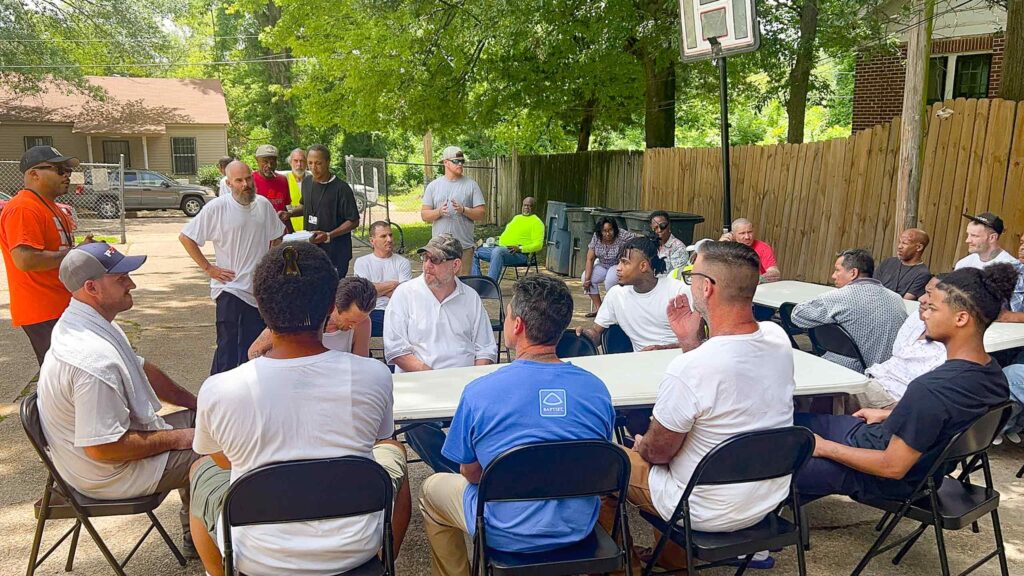
New Way isn’t just about jobs — it’s about relationships. They organize church events, farm visits, cookouts and family reunions, helping participants reconnect with loved ones and rebuild trust.
For Buckley, reuniting with his 18-year-old daughter has been life-changing. “My child told me she was proud of me,” he said. “I just try to do what I need to do with my life, and she couldn’t be happier. She’s not scared that I’m going to go back to prison, because she knows that my feet are on solid ground.”
Reynolds echoes that sentiment. After regaining steady employment, legal documentation, transportation and sobriety, he describes the support as transformative. “New Way helped all those barriers that was in between me and being successful,” he said. When he showed his mother his driver’s license, her response reflected the drive she’d always seen in him: “I knew you could do it.”
“This gives anybody that really wants to change, really wants to take a negative and turn it into a positive — if they give New Way the opportunity, it’ll change their lives,” Buckley said.
Reynolds agreed: “New Way is the way to go.”
Their stories show what becomes possible when people can access meaningful opportunities, draw strength from community and shape their own futures. New Way Mississippi isn’t just helping individuals redirect their lives — it’s helping families heal, workplaces strengthen and communities across the state move toward a more stable and hopeful future.
"This gives anybody that really wants to change, really wants to take a negative and turn it into a positive — if they give New Way the opportunity, it'll change their lives"
Mark Buckley

Comments