 By
By 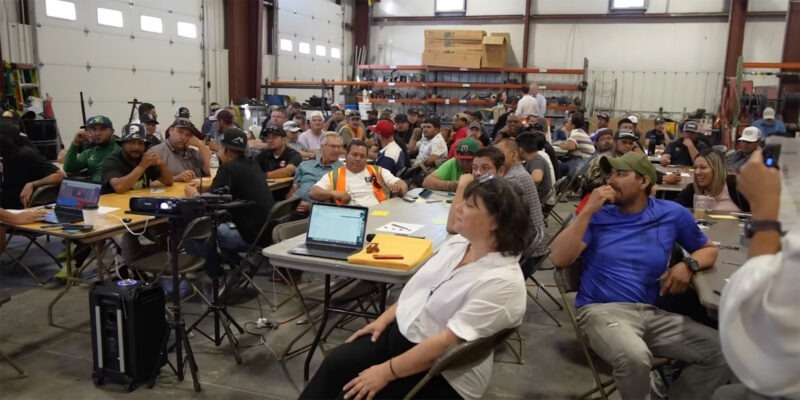
When businesses transition ownership, it can be a pivotal moment for both the company and the community. One promising path forward is employee-ownership – a model that keeps businesses locally rooted while creating meaningful opportunities for the people who help them thrive and build wealth that can extend beyond a single generation.
Employee ownership through employee stock ownership plans (ESOPs) offers a powerful way to align a company’s future with its workforce. By turning employees into owners, ESOPs provide workers a direct stake in the company’s success – one that goes beyond a paycheck and fosters long-term stability, shared prosperity and a deeper connection to the business.
Through strategic partnerships with private credit investors, the W.K. Kellogg Foundation (WKKF) helps finance worker buyouts of established businesses, enabling employees to make this transition from workers to owners through ESOPs.
Changing governance
At the heart of employee ownership lies a fundamental shift in how businesses operate. As Todd Leverette, managing partner at Apis & Heritage Capital Partners, a WKKF partner, explained, “All of our companies will establish a board of directors, and we will give one of five seats on our board of directors to the workers. So, they get to elect, they get to choose the person who sits in that seat.”
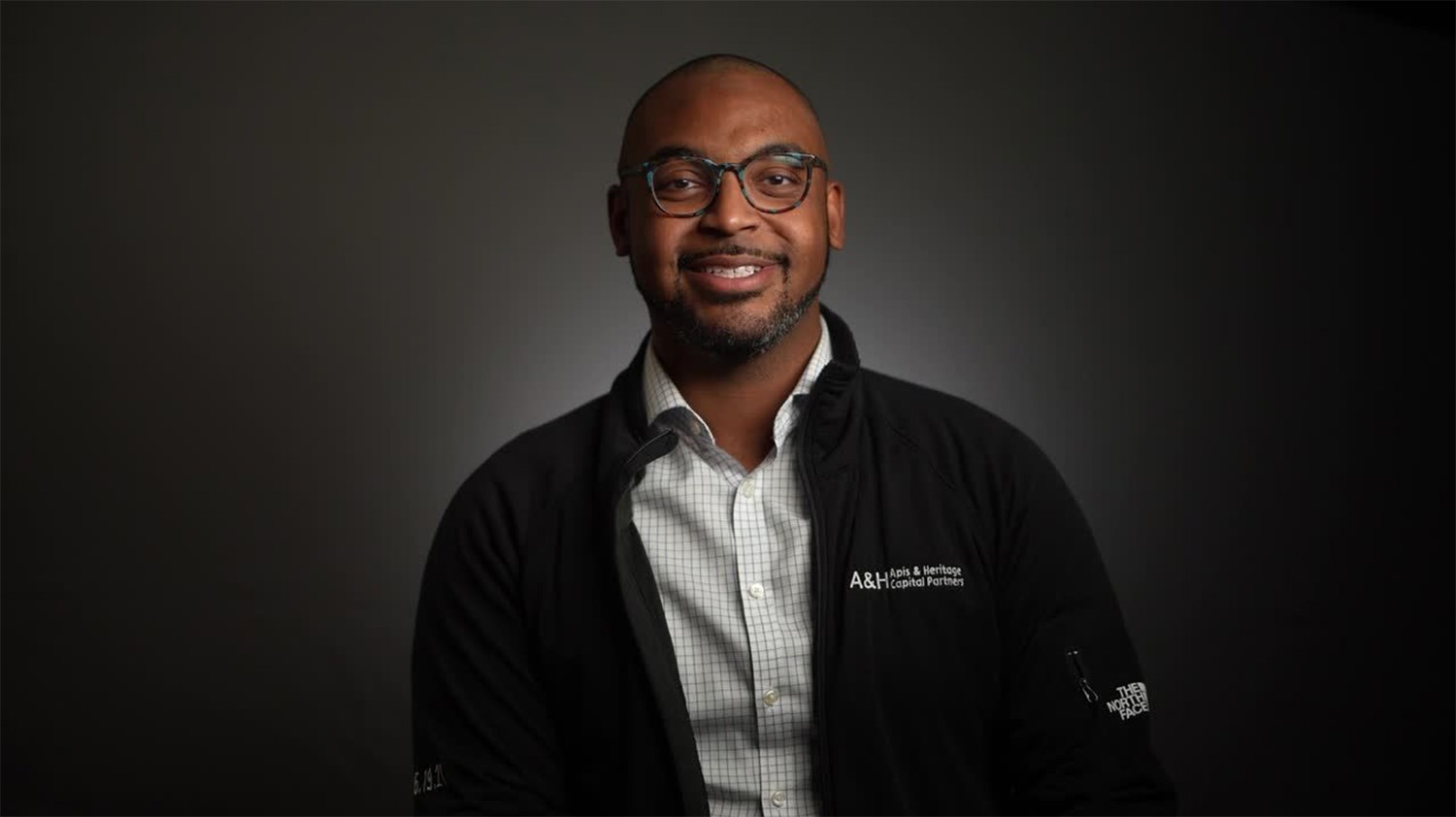
This is not just symbolic representation — it is a restructuring of ownership. Workers gain a genuine voice in governance decisions, creating accountability structures that benefit everyone. The model includes training management “in how to engage workers, not as cogs in their machines but as true partners in the business’s success,” said Leverette.
Financial impact that builds generational wealth
The financial benefits of employee ownership extend far beyond traditional employment. An ESOP account is a retirement account, similar to a 401(k), but instead of investing in a range of companies, it invests solely in the stock of the company where the employee works. Workers earn shares through tenure, building wealth over time without having to purchase stock upfront.
Research consistently shows dramatic differences in outcomes. “The average worker in an ESOP has so much more wealth nearing retirement age, so much more wealth than their non-worker-owner peers,” noted Leverette. “A worker in an ESOP is more likely to have two retirement accounts than a worker in a non-worker-owned company is to have one.”
These are not marginal improvements — they represent life-changing differences in economic security and opportunity.
Protecting local economies
Perhaps nowhere is the community impact more visible than in addressing what experts call the “silver tsunami” — the wave of people born in the post-World War II era who are business owners approaching retirement. Across the U.S., established local businesses face an uncertain future as their founders age out without clear succession plans.
Employee ownership provides a solution that keeps businesses local and jobs intact. Rather than selling to distant buyers who might relocate operations or strip assets, retiring owners can transfer their companies to the workers who built their success. This preserves not just individual jobs, but entire economic ecosystems built around these businesses. Worker-owners have every incentive to maintain the company’s long-term health and community connections. They live in these communities, send their children to local schools and shop at neighboring businesses.
A model for change
Employee ownership represents more than individual business transactions — it is a strategy for addressing wealth inequality at scale. By democratizing business ownership, this model creates pathways for working families to build assets and economic security that can be passed to future generations.
The approach aligns naturally with community development goals. Worker-owned businesses tend to be more stable employers, more responsive to local needs and more likely to reinvest profits locally rather than send them to distant shareholders.
As communities across the country grapple with economic inequality and the concentration of wealth, employee ownership offers a proven path forward. It recognizes workers as the true creators of business value while building the kind of locally-rooted, democratically-governed enterprises that strong communities need.
There is clear evidence that worker ownership creates better outcomes for workers, companies, families and communities. The question is how quickly we can scale this model to create more equitable, resilient local economies where every worker has a genuine stake in their community’s prosperity.
- Longtime workers nearing retirement own approximately 40% of all privately owned small businesses and franchises in the United States.
- This represents roughly 12 million businesses nationwide.
- These businesses employ over 25 million workers, about 1 in 6 jobs in the American economy.
- Experts estimate that approximately 10,000 baby boomers retire each day.
- An estimated $10 trillion in business assets will change hands over the next two decades, nearly half of the entire annual U.S. GDP.
Watch this video to learn more about Apis & Heritage Capital Partners.


Comments