
 By
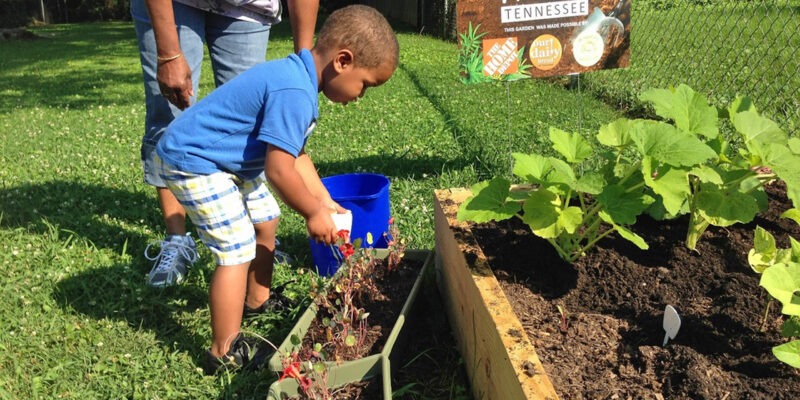
Early childhood care and education establish a strong foundation for children to learn, grow and thrive.
While this proven approach may conjure images of playtime or traditional lessons, it could just as easily make us think of something much messier.
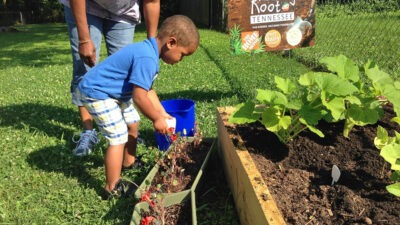
“The dirt is a classroom,” said Jessica Gudmundson, executive director of the National Farm to School Network. “Farm to early childcare and education programs get kids’ hands in the soil and show the cause and effect of growing food. It’s a natural fit for that age group.”
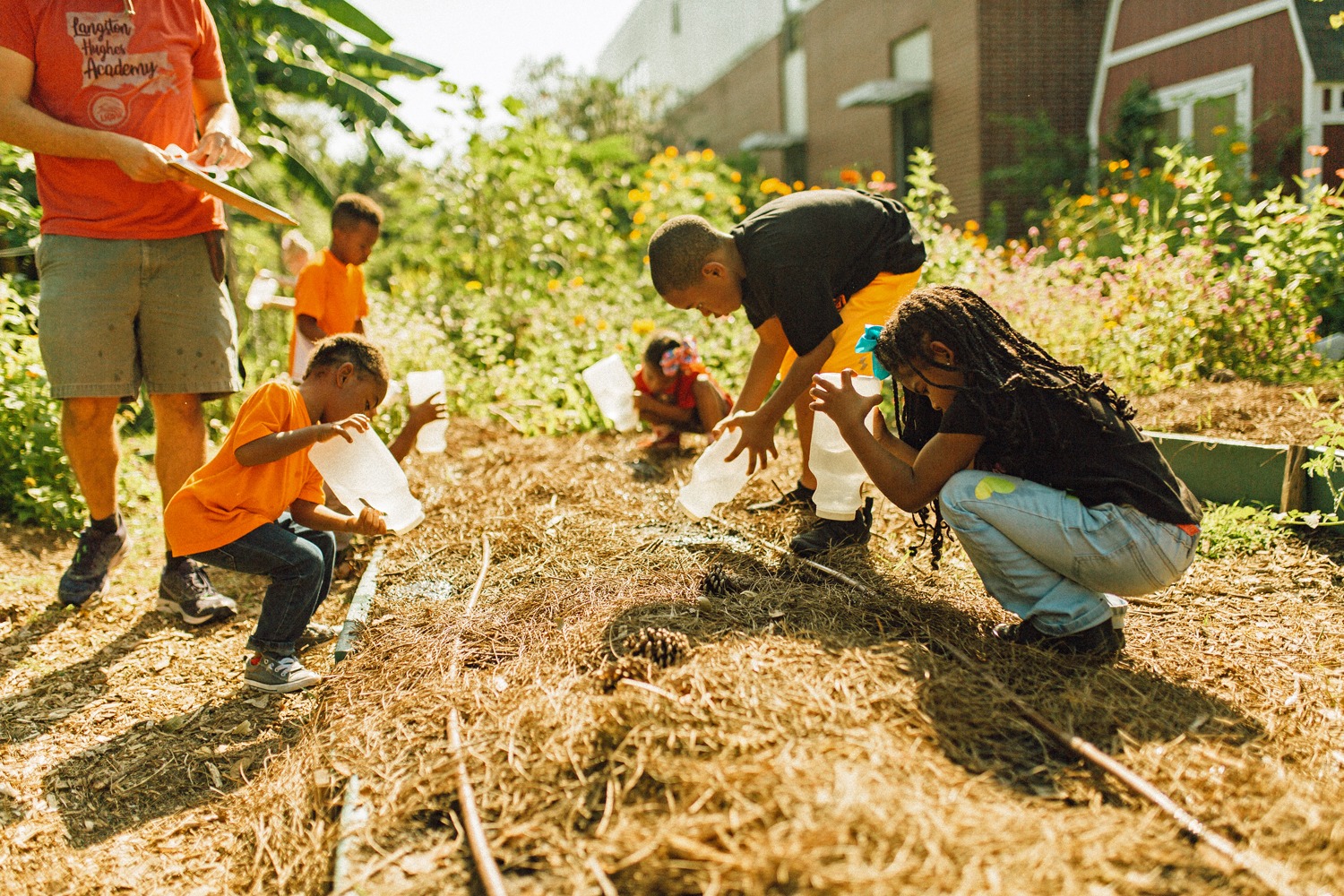
The network was established in 2007, with innovators building the field, sharing best practices and promoting policies that enable and strengthen support for the work. For the first four years, it focused on K-12 learners, before expanding to incorporate early childcare and education sites in 2011.
Today, this dynamic network “enriches the connection communities have with fresh, healthy food and local food producers by changing food purchasing and education practices at schools and early care and education settings,” Gudmundson said. “Farm to school empowers children and their families to make informed food choices while strengthening the local economy and contributing to vibrant communities.”
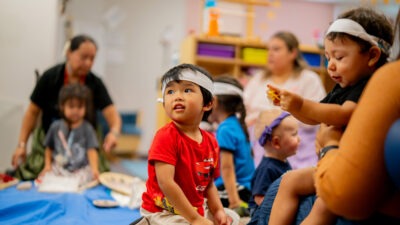
Gudmundson, her team and more than 600 partners are weaving gardens, local food and nutrition education into the fabric of early childcare programs and schools across the country. More than one-third of those partners work with two to five-year-olds, a group that Gudmundson charmingly calls “our littlest eaters.”
Food purchasing is the other half of the work. Farm to early care and education sites also buy local foods for meals and snacks, which puts fresh ingredients on children’s plates and dollars back into nearby farms.
Lessons from the land
Those little eaters are also little learners, absorbing the full range of social, emotional, cultural, behavioral and academic lessons that skilled educators and caregivers provide. This is the magic of bringing food-focused programming into care and school settings. It teaches life lessons through the very things that sustain us: the earth and its food.
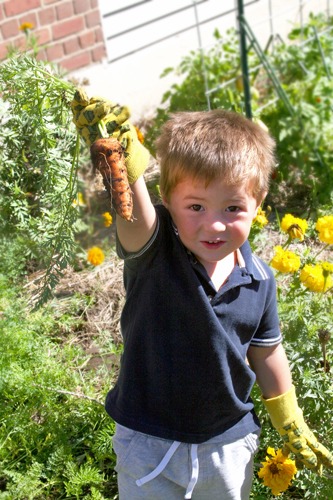
Monica Jackson, the owner of Jackson Child Care, a state-licensed childcare program in Springfield, Virginia, has been serving and supporting young children since the center’s founding in 1991. But it was the words of a four year old that spurred her to deeply incorporate farming and food into her programs.
“The child said to me, ‘Food comes from the refrigerator,’” Jackson remembered. “It opened my eyes and made me break it down into something that made sense to children.”
Over more than three decades, Jackson has shared her insights with education and nutrition experts establishing early learning standards in her state and in national convenings focused on early childhood care. Her most important audiences, though, are young learners.
“I call myself an architect, and I build early learning foundations,” Jackson said.
Those foundations are constructed through holistic early childcare and education, as well as specific curriculum that brings farm concepts directly into lessons about reading, writing, science, math and more.
At Jackson Child Care, they lead the children through a comprehensive and multifaceted seed-to-table lesson. They sort and count seeds. As the plants grow, they measure and compare growth. They document changes through writing and drawing and increase their vocabulary by using words for soil, roots and plant structure. Even meals are part of the pedagogical process, with class lessons revolving around nutrition, wellness and how farming is a core part of their communities.
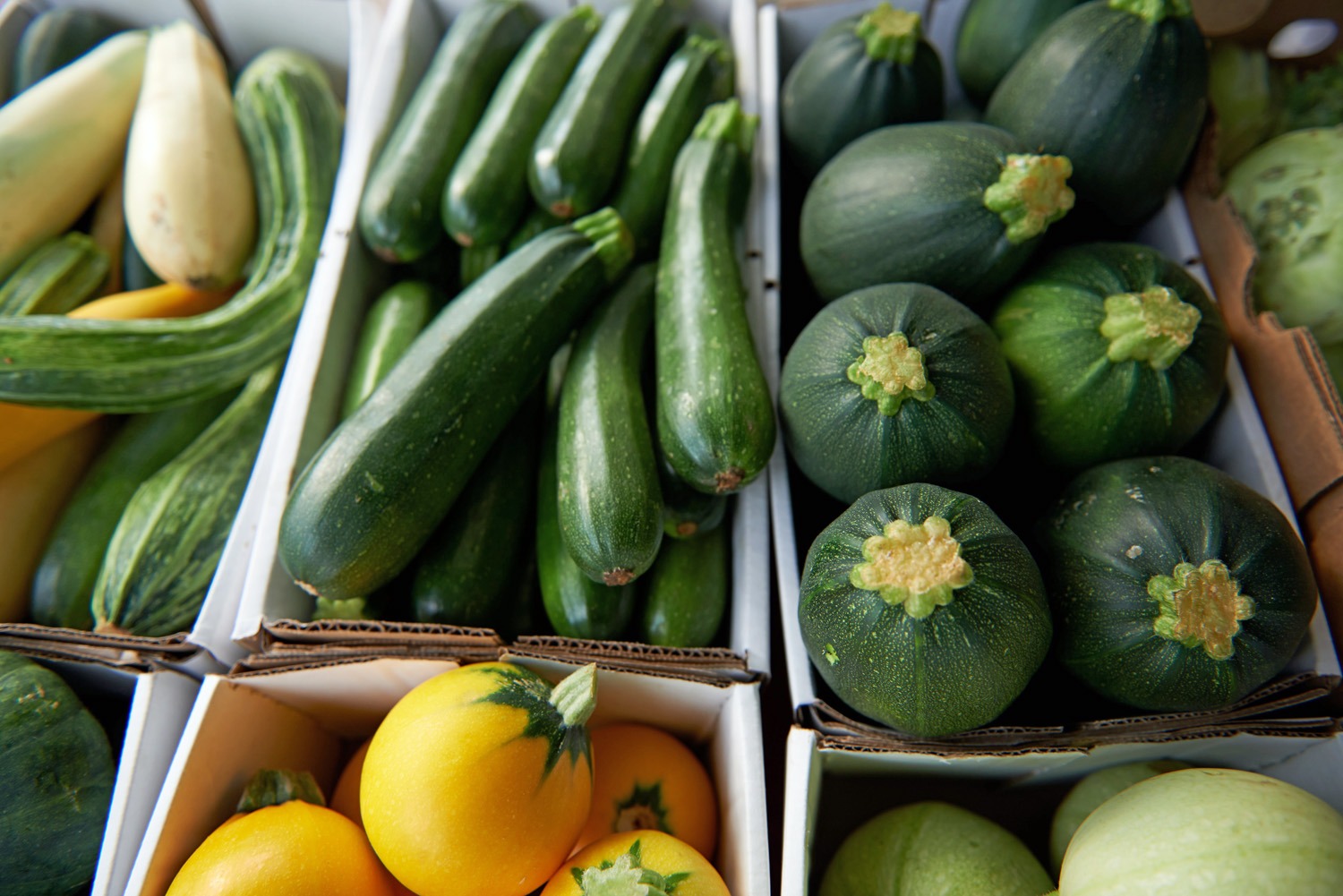
“Food is not treated as a separate topic,” Jackson said. “It becomes a hands-on connection with all the academic disciplines as they explore the full journey from seed to table.”
Sunny Baker, senior director of programs and policy at the National Farm to School Network, has a unique vantage point on this, working on the program and policy landscape while also experiencing how early childcare and education policies affect the lives of her children. Her kids have participated in both Farm to ECE and Farm to School programs, providing them with a deeper connection to the land and the food it yields.
“Getting kids to nourish themselves with good foods is not always an easy task, but in a group setting it’s so much easier,” Baker said.
Celebrating progress and impact
October is National Farm to School Month, a time to celebrate the many and varied ways that food powers our world and empowers our communities. The 2026 theme is Creating Thriving Communities: Local Food in Every School, and the network has developed a robust set of resources to spread the word about farm to school programs.
This year also marks an important milestone.
“We are 20 years into the farm to school movement,” Gudmundson said. “There’s been tremendous growth despite barriers.”
As she looks to the future, it’s clear that schools and childcare programs can help shape both students and the food system as a whole.
“The top things sourced in school food programs are milk and beef, so there’s lots of opportunity to deepen and diversify the foods that are being purchased locally,” Gudmundson said. “And while a school might need 30,000 pounds of strawberries, an early care site might need two baskets, so that smaller scale means we can think creatively about how to leverage the great food assets in their communities.”
The journey from early care to adult impact
Gudmundson, Baker and Jackson know that change, in complex systems and for children, doesn’t happen overnight. It takes patience and perseverance, collaboration and creativity.
Gudmundson sees it in the new generation of food movement leaders, many of whom were in farm to school programs when they were children.
“They were really excited and inspired by that childhood experience,” Gudmundson said. “So we’re starting to see them enter careers in food and agriculture where they can share those opportunities and make sure they’re available to everyone.”
Jackson’s early childcare and education lessons about food also started at the ground level before rapidly growing and climbing like a beanstalk.
“We talked about dirt first and seeds second,” Jackson said. “Soon, we branched into science by exploring how seeds grow, language by naming the seeds and then math by counting them. Before they knew it, we were discussing nutrition, curiosity, observation, prediction, problem solving, communication and persistence.”
The children in her care have grown cucumbers and squash, tomatoes and eggplant, pumpkins and herbs. And, in the process, they’ve advanced and matured. They are now deeply connected to both the dirt they play in and the food it produces.
“When they eat from our garden, it’s no longer a courtesy bite,” Jackson said. “Now, for each of them, it’s delicious and personal.”


Comments