
 By
By 
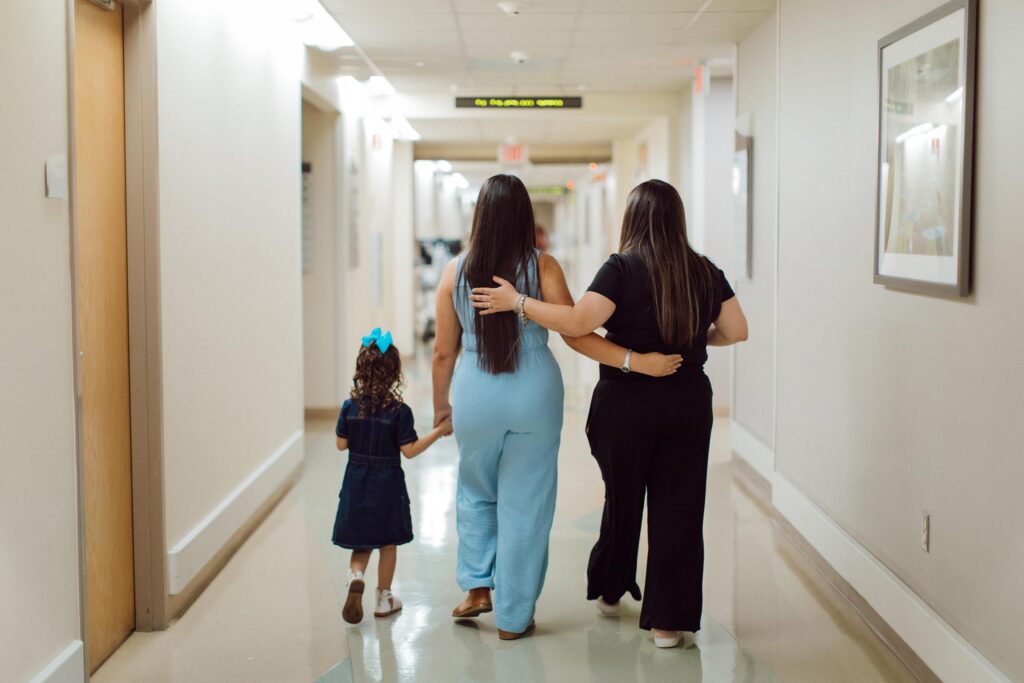
When Brianca King learned she was expecting her son, Parker Rowen, she was filled with excitement.
She also knew the road ahead would not be simple.
A pediatric nurse from Gluckstadt, King was managing diabetes and high blood pressure when she became pregnant. By her third trimester, she had been hospitalized multiple times.
“It was very scary,” she said of those final weeks.
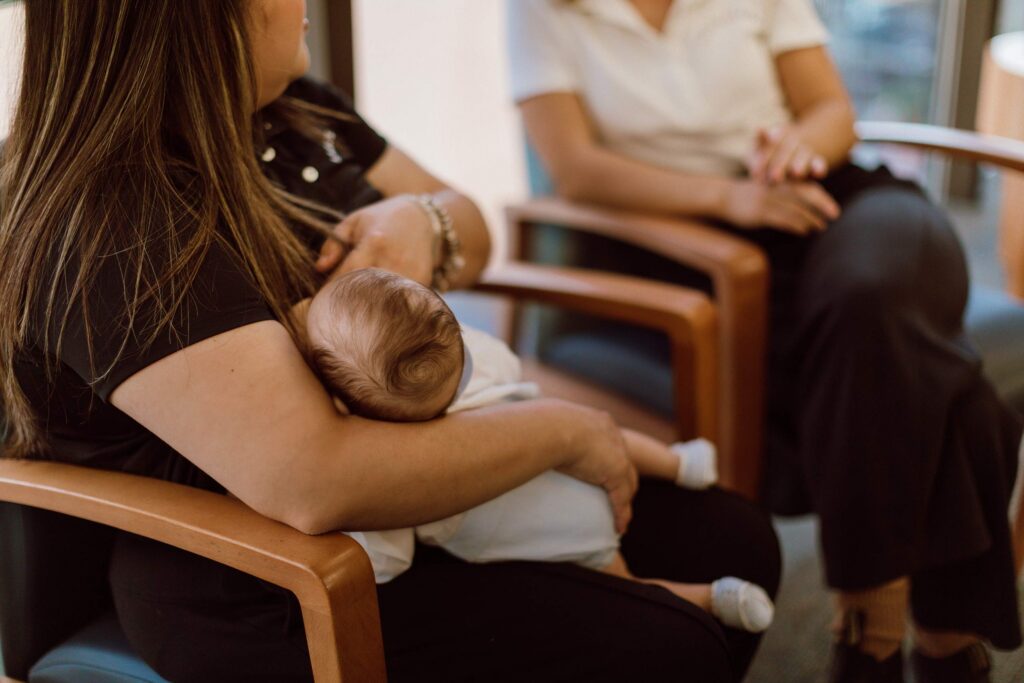
Early in her pregnancy, King was connected to a maternal-fetal medicine team at the University of Mississippi Medical Center. Her care team monitored her closely, adjusted medications and prepared for complications before they became emergencies. When Parker arrived seven weeks early, he spent 19 days in the neonatal intensive care unit (NICU).
Today, both mother and baby are thriving.
King’s story shows what is possible when high-risk pregnancies are identified early and families have access to coordinated, specialized care.
That kind of early support can change a family’s story. But too many families across Mississippi still face serious risks.
In 2024, 323 infants in the state died before their first birthday. Mississippi’s infant mortality rate remains nearly twice the national average. Black infants are three times more likely to die than White infants — differences tied to gaps in prenatal care, provider access in rural areas, continuity of coverage during and after pregnancy, and whether families are heard and supported during pregnancy and childbirth. In response, in 2025 the state health department declared a public health emergency.
Across Mississippi, leaders and communities are taking action.
Throughout the state, leaders, health providers and community partners are working to support families at every stage — strengthening support before birth, during delivery and throughout a baby’s first year.
Doulas: Support in the delivery room
With maternal and infant mortality rates among the highest in the nation, what happens in the delivery room in Mississippi carries enormous weight.
Doulas would be one of the fastest ways for Mississippi to expand care for pregnancy, childbirth, postpartum and infancy to every family in the state. Doulas are trained professionals who help expecting mothers maintain healthy pregnancies and teach them about prenatal care. They provide support to families during labor. And they help mothers breastfeed and learn to care for their newborn, and screen moms for signs of postpartum depression. Research shows that this kind of steady presence is linked to fewer cesarean deliveries, lower rates of preterm birth, shorter labor and higher rates of postpartum follow-up care.
Seventy percent of pregnancy-related deaths in Mississippi are among women who have Medicaid coverage. Mothers who are on Medicaid, and saving up for having a newborn, are unlikely to be able to afford to pay for a doula, even though they are the ones who need one the most.
Nationally, a growing number of states, including Florida, Oklahoma and Kansas, now allow Medicaid to reimburse for doula services, citing improved outcomes and potential cost savings.
In Mississippi — where more than half of the counties lack hospital-based obstetric services and some families drive nearly an hour for care — interest in doulas is growing as one practical way to strengthen care when it matters most.
Doulas would be one of the fastest ways for Mississippi to expand care for pregnancy, childbirth, postpartum and infancy to every family in the state.
Home visiting: Care that continues
But birth is only the beginning.
In rural Mississippi, Delta Health Center brings care directly to families’ homes through a visitation program led by community health workers, alongside nurses and social workers.
Community health workers are trusted, trained, local professionals who serve as a bridge between families and the health system. They help parents schedule appointments, understand medical guidance, monitor basic health indicators and connect to services like nutrition support or transportation.
Founded in the 1960s to expand access to care in underserved communities, Delta Health Center remains a cornerstone of rural health care — proof that long-term local infrastructure matters.
The results are encouraging. In just one year — between 2023 and 2024
low-birth-weight births fell from 15% to
6%
and preterm deliveries dropped from 13% to
3%
among participating families.
Research shows that home visiting programs led by community health workers are associated with healthier births, stronger prenatal and postnatal care and reductions in racial disparities.
Signs of progress
Community innovation is now being matched by action at the state level — progress shaped in large part by advocates, health leaders and community partners who pushed for change.
In 2024, Mississippi enacted 12 weeks of paid family leave for state employees — a first for the state. That milestone followed sustained advocacy from families and organizations who said time at home after birth strengthens both parents and babies. Paid leave has been linked to improved maternal and infant health, including longer breastfeeding duration and lower rates of postpartum depression.
In 2025, policymakers extended postpartum Medicaid coverage from 60 days to 12 months and took steps to allow pregnant women to begin prenatal care while their eligibility is being finalized.
These changes reflect years of work by health providers, policy advocates and community leaders focused on closing dangerous gaps in coverage. Together, they mean that about 20,000 mothers each year can now have continuous coverage for a full year after childbirth, and many more families can access care earlier without delay.
The focus now is making sure families and providers across every community in Mississippi are aware of these new coverage options and know how to access them. Some clinics are already helping mothers connect to these benefits, while others are still navigating administrative processes and training requirements. Increasing awareness and clearing these hurdles will help ensure these hard-won policies translate into consistent access to care.
Care during delivery also matters, particularly in rural communities where hospital based obstetric services are limited. UMMC’s STORK program has strengthened emergency readiness by training nearly 950 health care professionals across 40 counties to respond to obstetric and neonatal emergencies. In areas where access to maternity care can be fragile, preparation and coordinated response can make a critical difference when complications arise.
Taken together, these efforts strengthen care before birth, during delivery and throughout a child’s first year. When support is steady at each of those moments, more babies reach their first birthday. More mothers recover safely. And more families begin their next chapter with the support they need.
Mississippi families are doing their part. Building on this momentum will require continued coordination across providers, policymakers and community leaders and a collective commitment to ensuring early support is consistent, accessible and built to last.




Comments