 By
By 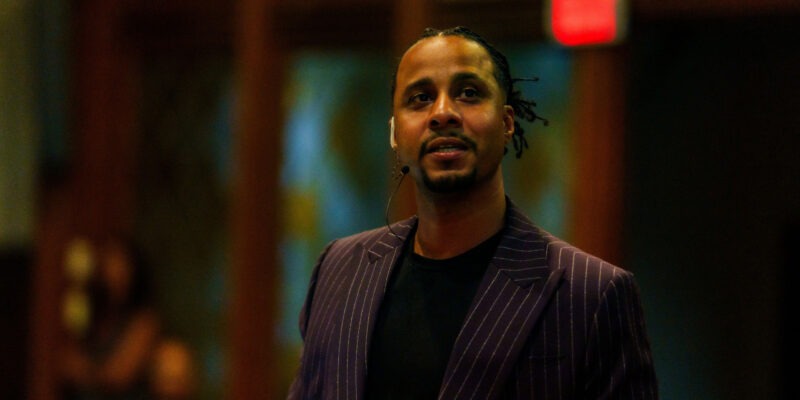
Growing up in a humble Dominican immigrant household in New York City, Dr. Angel Acosta didn’t have the tools to imagine a future that he would one day help pave for others. Now, through the Acosta Institute, a WKKF grantee, he’s rewriting the blueprint for how educators and communities create the conditions for every child to thrive.
Dr. Acosta was raised between the Bronx and the Lower East Side of the city. He grew up surrounded by a vibrant blend of cultures, which sparked a curiosity about social behavior from a young age. But like many children of immigrant families, he didn’t have a roadmap for channeling that curiosity into higher education.
“I didn’t have anyone to talk to about college,” he said. “There wasn’t a point of reference.”
That changed when his school connected him with College for Every Student (CFES) Brilliant Pathways, a national nonprofit that helps prepare underserved youth for a successful future. The organization took him to college campuses and walked him through the application process.
He found his way to The State University of New York at Plattsburgh to study anthropology, where he noticed a common thread. “I was struck by the fact that in every culture, there were practices to slow down,” he said, an observation that drew him to meditation and would eventually define his mission.
Dr. Acosta became the first member of his family to attend and graduate from college. “I was so blown away by how college changed my life that when I graduated, it only made sense to dedicate my first job to giving back,” he said.
From student to changemaker: Finding purpose in the classroom
He spent the next decade helping nearly 20,000 students at over 300 K–12 schools across the country prepare for college through CFES Brilliant Pathways, the same organization that helped him. It was then that he understood both the power and limitations of the American school system and what that means for children of color.
“It’s hard to work in schools and not witness how environmental conditions can limit a student’s trajectory and burn out educators,” he shared. “It revealed the level of trauma people experience, especially teachers. They’re more than just educators and mentors; they’re almost like parents.”
For Dr. Acosta, that trauma reflected a system that overlooks the well-being of educators, an especially heavy burden on those from already underserved communities. Inspired to address that gap, he pursued a doctoral degree in curriculum and teaching at Teachers College, Columbia University.
“Meditation taught me what happens when you pause and create space to be with your thoughts,” he said. “I wanted to understand the research and neuroscience behind it and how it could impact communities.”
He spent five years researching the relationship between healing, social justice and education, exploring how healing practices could help underserved educators process racial trauma and build conditions for their students to thrive.
Central to that research was the science of somatics — the study of how the body holds on to trauma, stress and emotional pain, and how that shapes the way we interact with the world around us. For educators, somatics offers a framework for understanding how they show up in the classroom and pour into the generations they help raise.
Healing as a practice
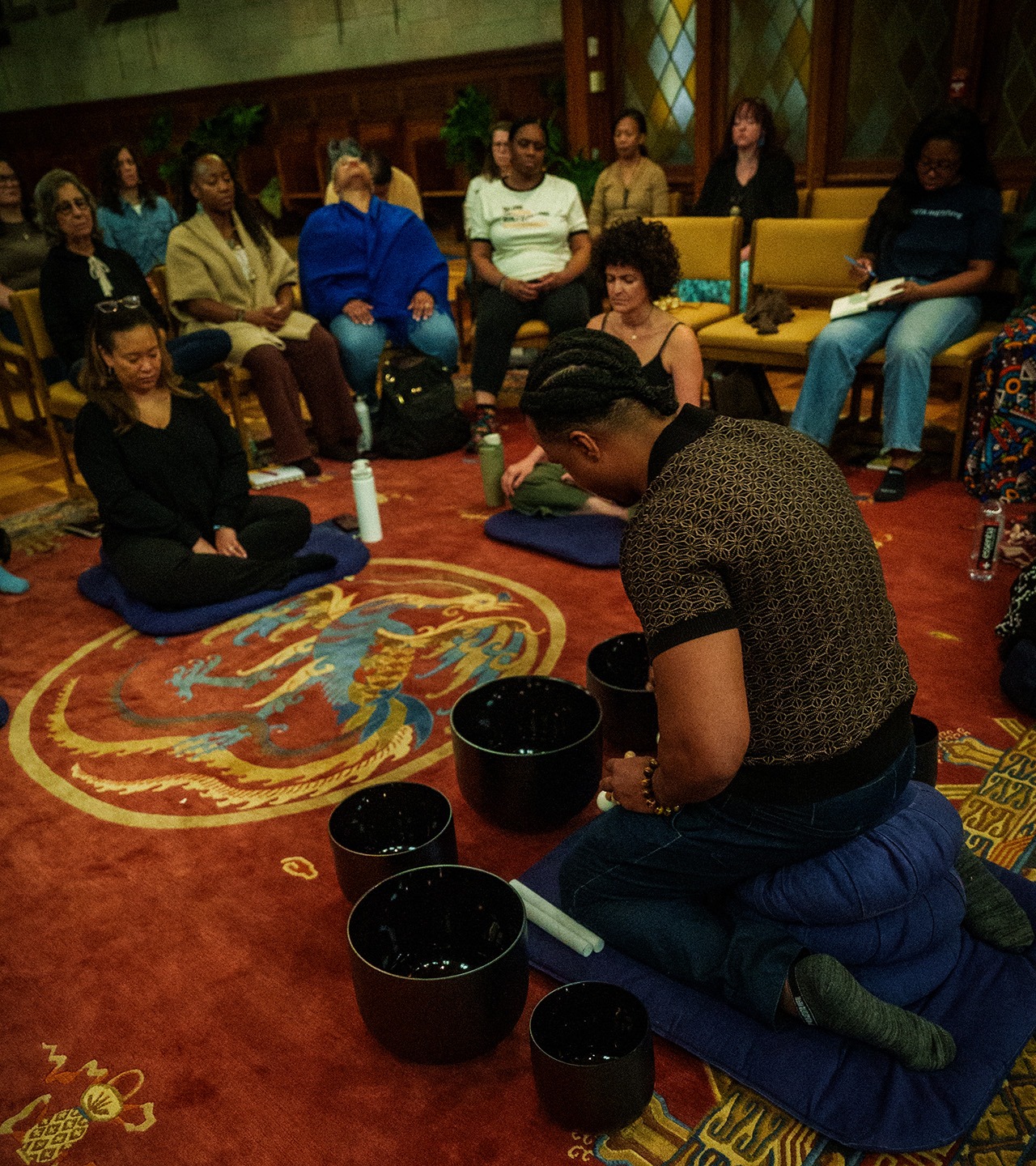
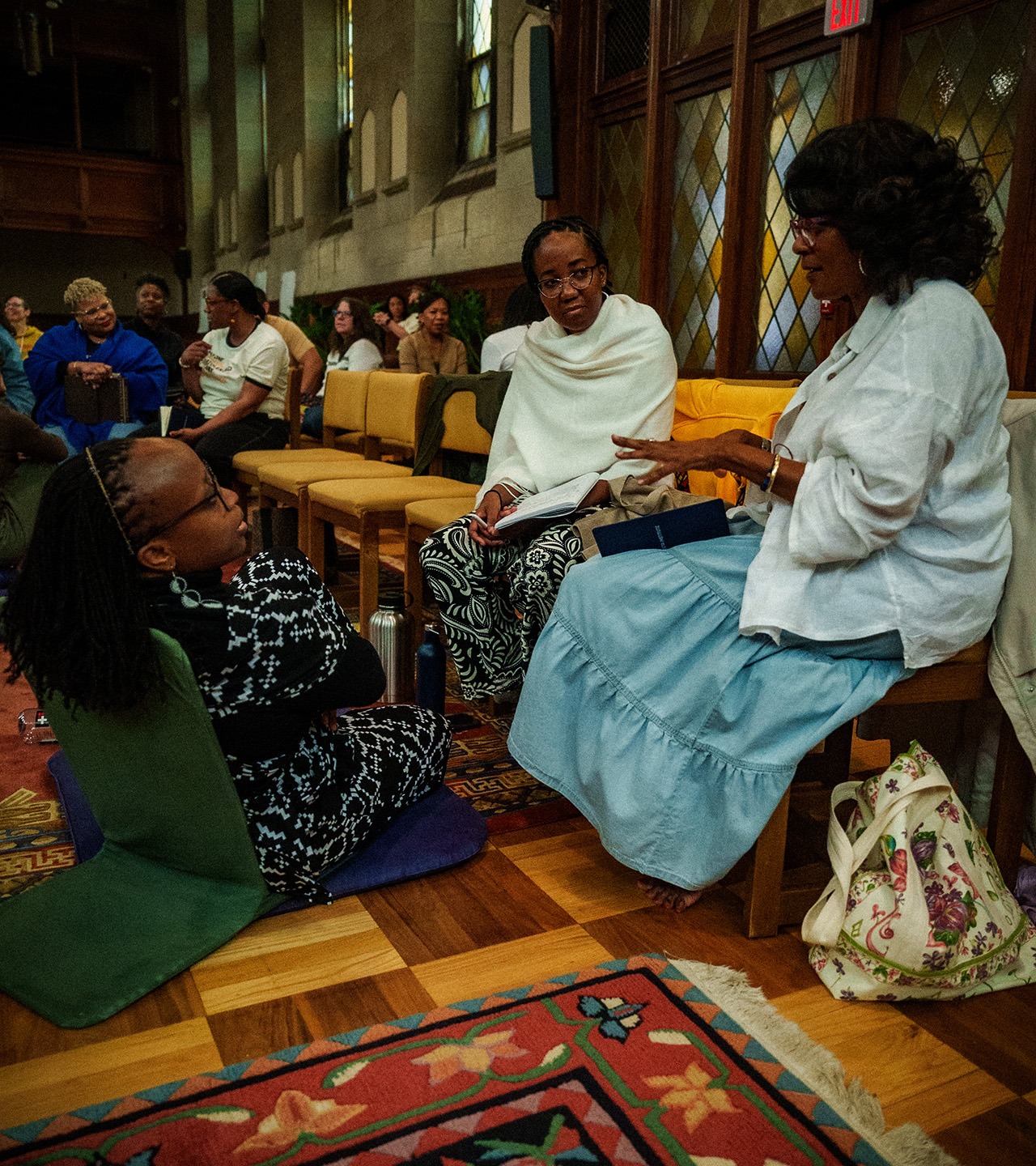
In 2020, a newly graduated Dr. Acosta was absorbing the impacts of two crises disproportionately impacting his community: a global health pandemic and the murder of George Floyd. He launched the Acosta Institute as an immediate response, offering grounding sessions to help communities process collective trauma.
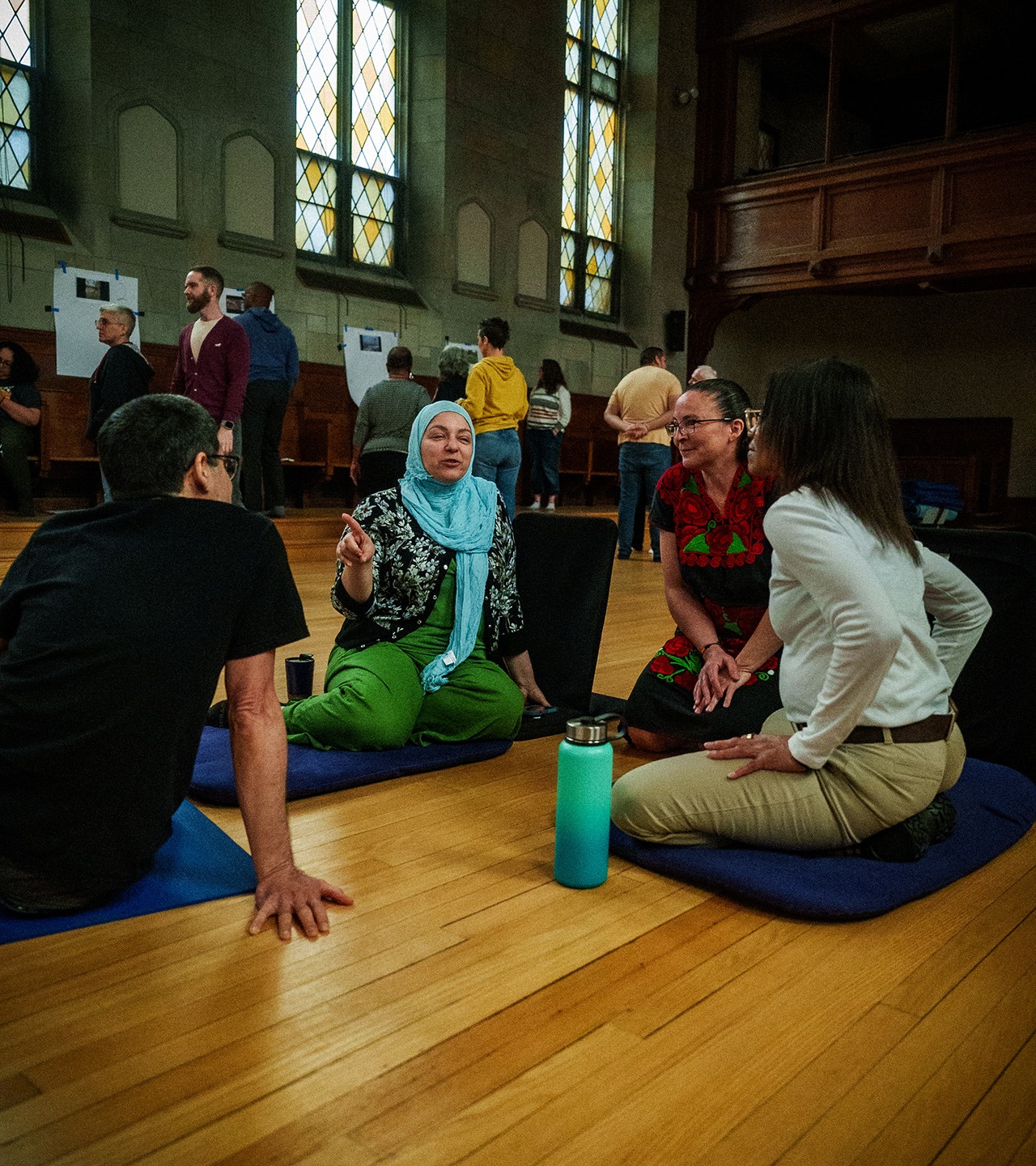
Those early sessions laid the groundwork for the ecosystem Dr. Acosta had envisioned and worked toward. Through the Institute, he helps educators develop the tools to recognize and process their own trauma so they can build learning environments where both teachers and students can feel safe, seen and supported.
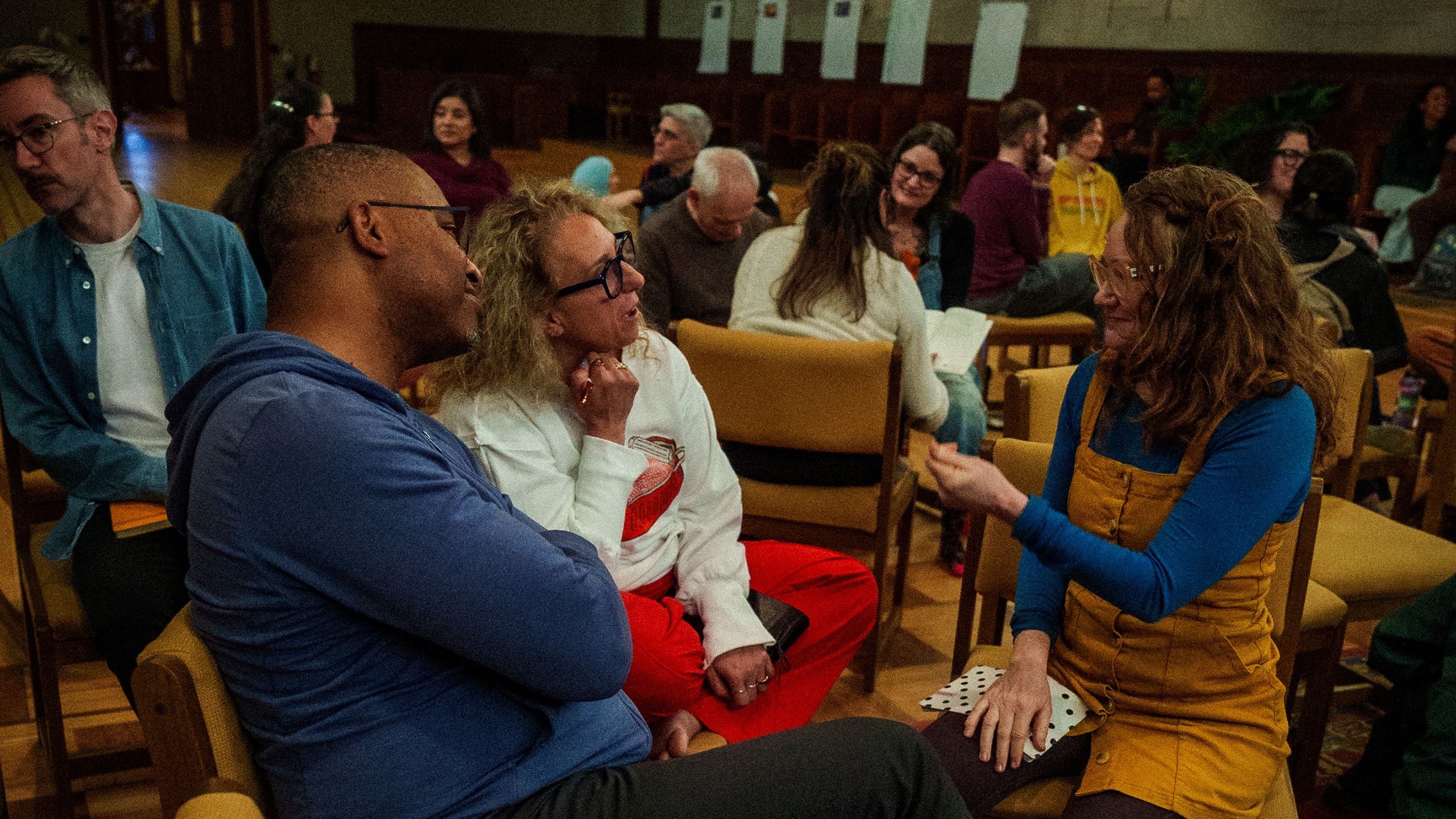
Today, the Acosta Institute is a national hub for capacity building, leadership development and cultural transformation centered on healing. Through certificate and fellowship programs, in-person retreats and free resources, the Institute’s work reaches classrooms, nonprofits, businesses and communities across the country.
An Acosta Institute fellow from Colorado, who offers restorative practices through local schools, found the Institute while looking for a place that would legitimize her work. “That’s proof that we are a validating force for people who are already transforming communities,” said Dr. Acosta.
Recently, the organization expanded its courses to help leaders and educators navigate artificial intelligence, specifically its ethical dimensions and its capacity to foster innovation, equity and well-being.
“At the core, what the Institute is trying to do is equip teachers, leaders and community members to create conditions for people to thrive,” said Dr. Acosta. “That’s the throughline in my entire career.”
Since its inception, the Institute has trained thousands of educators, leaders and community members through its various programs. To learn more about the Acosta Institute and explore its offerings, visit www.acostainstitute.com.

Comments